

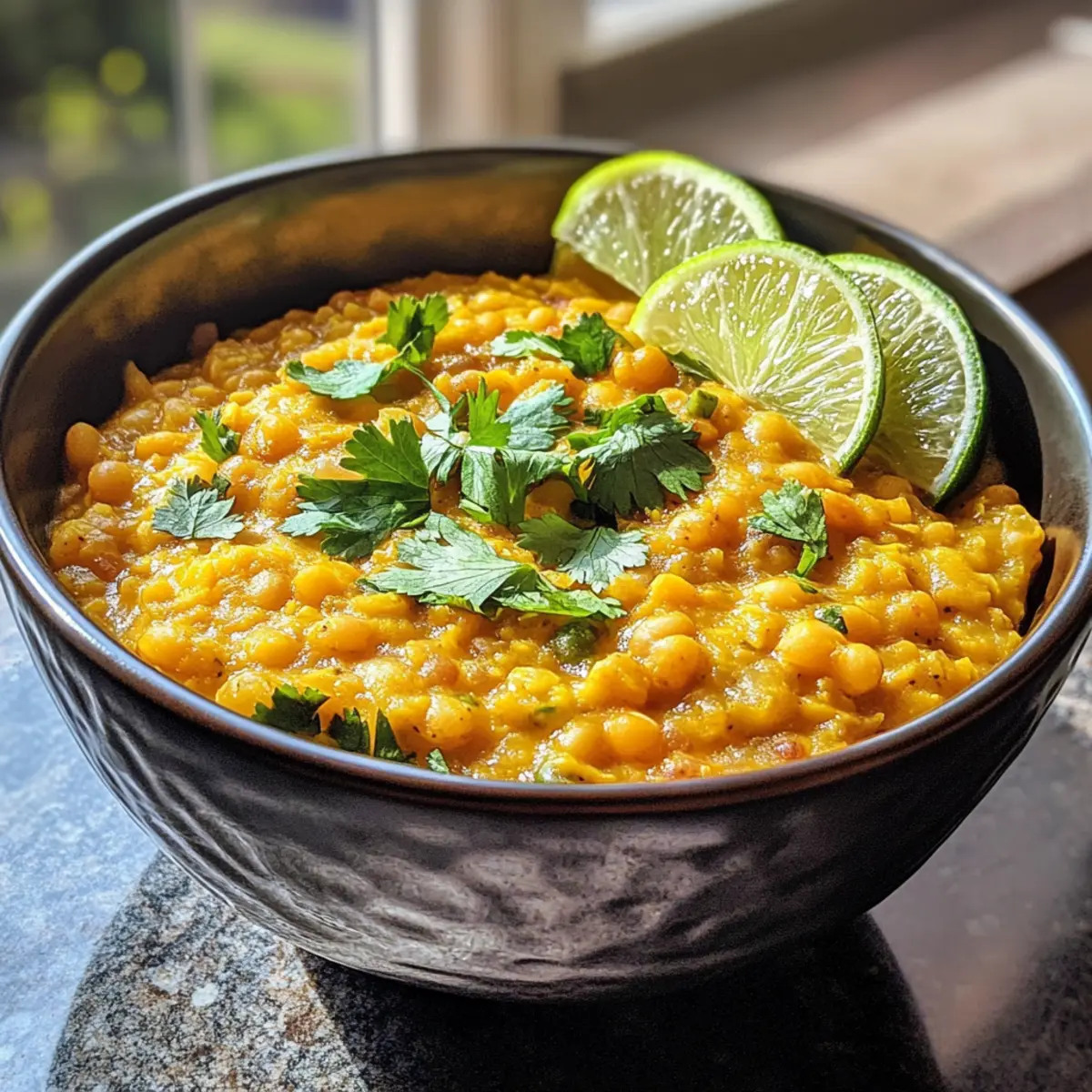
On a chilly afternoon, when the world feels a little heavier, there’s nothing more soothing than a warm bowl of Kitchari. This delightful Ayurvedic dish is a cozy blend of yellow split mung beans and fragrant Basmati rice, simmered gently with a medley of spices that awaken the senses. What I love most about Kitchari is its versatility—this nutritious one-pot meal not only caters to gluten-free and vegetarian diets, but it can be tailored to suit any palate with added veggies or spices. Whether you’re looking for quick comfort after a long day or a healthy upgrade to your lunch routine, Kitchari makes for a wholesome choice that doesn’t skimp on flavor. So, are you ready to dive into the creamy goodness and discover the heart of this traditional dish?
Why is Kitchari a Must-Try?
Comforting and Warm: Kitchari is perfect for those chilly evenings when you crave something soothing. Its hearty, porridge-like texture wraps you in warmth.
Nutrient-Dense Goodness: Packed with protein and fiber, this dish provides balanced nutrition in every bite, making it a fantastic choice for health-conscious food lovers.
Versatile Variations: Customize your Kitchari by adding your favorite veggies or experimenting with spices, ensuring that it appeals to every palate.
Quick and Easy: With minimal prep and cooking time, Kitchari is ideal for busy individuals looking to whip up a nourishing meal without hassle.
Gluten-Free & Vegan-Friendly: This dish fits perfectly into gluten-free and vegan diets, allowing everyone to enjoy its delicious flavors. Discover more about its health benefits and ingredients in our guide!
Kitchari Ingredients
For the Base
- Yellow Split Mung Beans (Moong Dal) – Provides protein and fiber; substitute with other lentils for different textures.
- Basmati Rice – Main starch component; use jasmine rice, brown rice, or quinoa if preferred.
- Water – Acts as the cooking liquid; vegetable broth can enhance flavor.
For the Flavor
- Ghee or Oil – Adds richness; for a vegan option, switch to coconut oil or avocado oil.
- Cumin Seeds – Enhance flavor and aid digestion; ground cumin works as a substitute if needed.
- Fresh or Ground Ginger – Provides warmth and spice; fresh ginger offers better flavor, but ground ginger is convenient.
- Turmeric – Adds a vibrant color and anti-inflammatory properties.
- Sea Salt and Black Pepper – Seasoning agents; adjust to taste before serving.
For the Finish
- Cilantro (for garnish) – Adds freshness and color; optional but highly recommended for presentation.
- Lime or Lemon Slices (for garnish) – Introduces acidity to balance the flavors beautifully.
Step‑by‑Step Instructions for Kitchari
Step 1: Soak the Beans and Rice
Begin by combining the yellow split mung beans and Basmati rice in a large bowl. Cover them with water and let them soak for about 15 to 20 minutes. This not only improves digestibility but also ensures a creamy texture in your Kitchari. After soaking, rinse the mixture under cold water until the water runs clear.
Step 2: Prepare the Spices
In a medium pot, heat 2 tablespoons of ghee or your preferred oil over medium-low heat. Once hot, add 1 teaspoon of cumin seeds and sauté for about 1 minute until fragrant and slightly darkened. Next, stir in 1 tablespoon of fresh grated ginger and ½ teaspoon of turmeric, allowing them to cook for another minute, letting the spices release their rich aroma.
Step 3: Combine the Ingredients
With the spices aromatic and vibrant, gently add the drained moong dal and Basmati rice mixture into the pot. Pour in 4 cups of water, followed by 1 teaspoon of sea salt and a dash of black pepper. Stir everything together and bring the mixture to a gentle boil while keeping the heat on medium-high.
Step 4: Cook the Kitchari
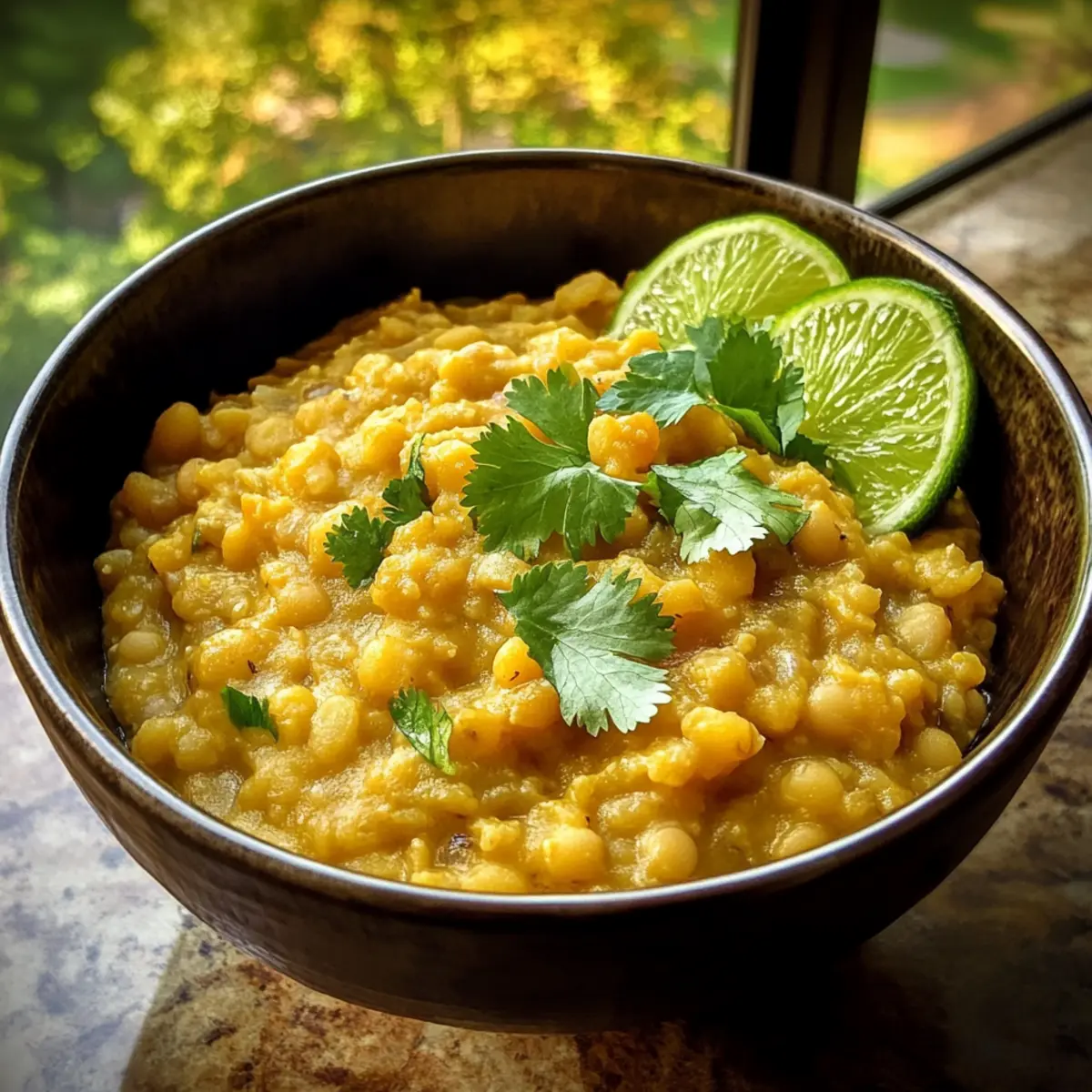
Once boiling, reduce the heat to medium-low and allow your Kitchari to simmer uncovered for about 30 minutes. Stir occasionally to prevent sticking and to promote even cooking. You’ll know it’s done when the mixture reaches a creamy, porridge-like consistency, with the beans and rice tender and well-combined.
Step 5: Taste and Adjust
After the Kitchari has simmered, check for softness and adjust the consistency if necessary. If it seems too thick, add a little more water gradually while stirring. Taste the dish and adjust the seasoning with more salt and pepper as desired, ensuring a balanced flavor profile.
Step 6: Serve and Garnish
Once ready, ladle the Kitchari into warm bowls and finish with a sprinkle of fresh cilantro and a few lime or lemon slices for a zesty kick. This comforting Kitchari serves beautifully on its own or alongside a simple salad, making it a perfect nourishing meal to enjoy.
What to Serve with Comforting Kitchari?
On chilly evenings, nothing complements a warm bowl of Comforting Kitchari quite like these delightful pairings that enhance the meal’s nourishing qualities.
-
Crispy Papadums: These crunchy lentil chips provide a satisfying contrast in texture, adding a delightful crunch to each spoonful of Kitchari. They soak up flavors beautifully and bring an extra layer of enjoyment.
-
Simple Cucumber Salad: A refreshing salad of diced cucumbers, tomatoes, and lemon juice brightens the plate, offering a crisp and zesty accompaniment. This light dish balances the hearty Kitchari, creating a perfect harmony of flavors.
-
Creamy Cucumber Raita: Yogurt mixed with finely diced cucumbers and spices acts as a cooling contrast to the spiced dish. The richness of raita offers a brilliant flavor combination while adding a creaminess to each delicious bite.
-
Spicy Pickles: The tangy, spicy kick of Indian pickles adds layers of flavor and excitement to the meal. This bold addition is perfect for those craving a little heat and zest alongside the soothing Kitchari.
-
Steamed Green Vegetables: Brightly colored steamed veggies, like broccoli or green beans, infuse your meal with freshness and color. They enhance the nutritional value, making the meal even more wholesome.
-
Warm Naan or Roti: Bread makes for a delightful side that you can use to scoop up the Kitchari, adding heartiness and fulfilling the dining experience. Warm naan or roti completes the meal with comforting, soft textures.
-
Herbal Tea: Enjoy a soothing cup of herbal tea, like ginger or chamomile, to sip alongside Kitchari. This adds warmth and can aid digestion, making it a lovely, calming beverage choice.
-
Mango Chutney: A spoonful of sweet mango chutney introduces a delightful sweetness that perfectly contrasts the savory spices of the Kitchari. This sweet side brings an unexpected burst of flavor to your plate.
Expert Tips for Kitchari
-
Use Fresh Spices: Fresh herbs and spices enhance flavor significantly. Opt for whole spices whenever possible for a more aromatic experience in your Kitchari.
-
Soak for Digestibility: Generously soak the yellow split mung beans and rice for 15-20 minutes. This not only improves texture but also makes the dish easier to digest.
-
Watch the Cooking Time: Avoid covering the pot while simmering to maintain the desired porridge consistency. Keep stirring occasionally to prevent sticking and ensure even cooking.
-
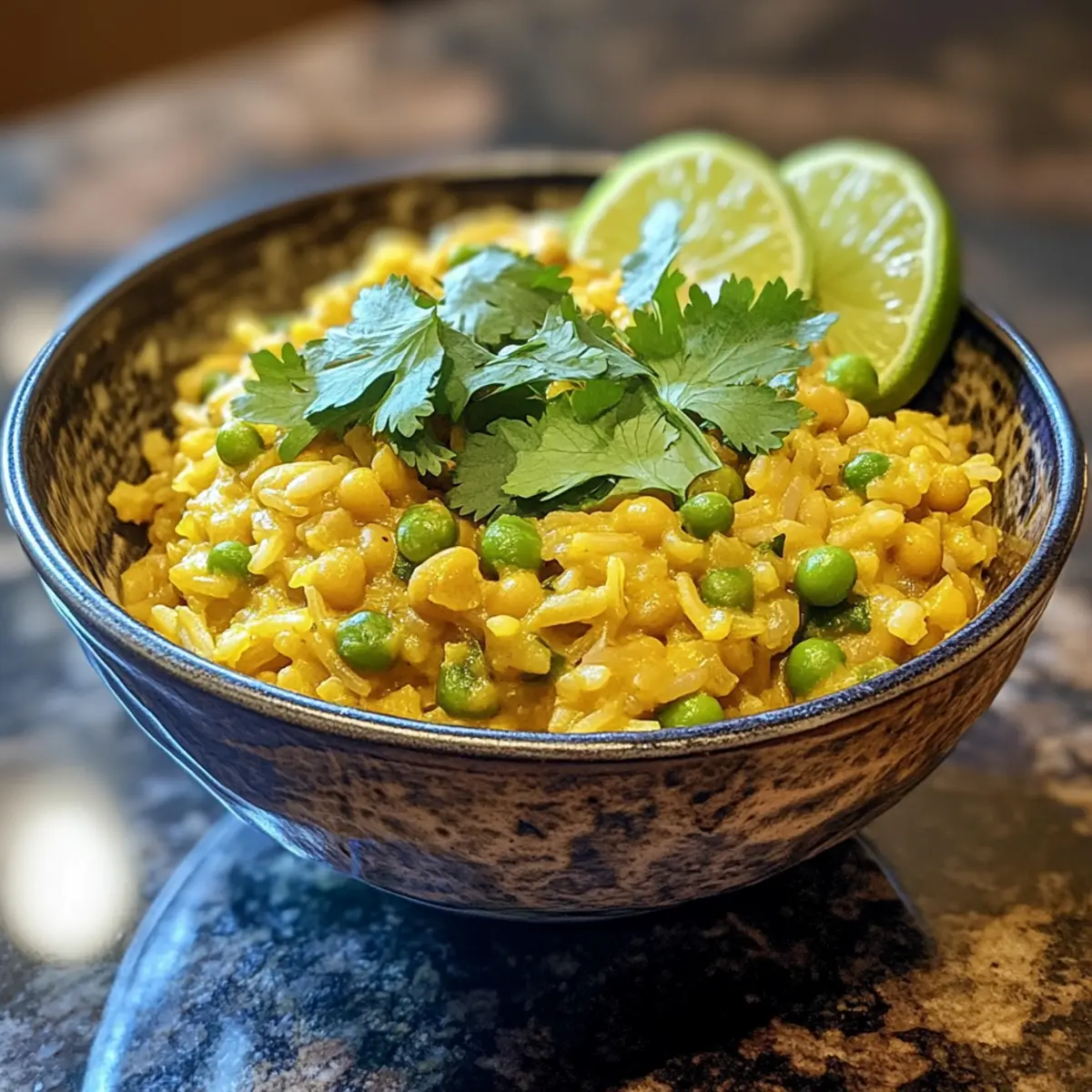
Customize with Vegetables: If adding veggies, include them towards the end of cooking to preserve their texture. Consider spinach or peas for added color and nutrients.
-
Adjust Consistency Smartly: If your Kitchari turns out too thick, gradually add water while stirring until it reaches your preferred creamy texture. Adjust seasoning to taste.
-
Experiment with Variations: Don’t hesitate to play with spices or add lentils for different flavors. Each variation can give your Kitchari a delightful twist!
Storage Tips for Kitchari
Room Temperature: Kitchari is best enjoyed fresh. If needed, it can sit out at room temperature for up to 2 hours before storing.
Fridge: Allow your Kitchari to cool completely before transferring it to an airtight container. It can be stored in the refrigerator for 2-3 days, keeping its comforting flavors intact.
Freezer: For longer storage, Kitchari can be frozen in a safe container for up to 2 months. Be sure to label it with the date for easy reference.
Reheating: Thaw frozen Kitchari in the fridge overnight before reheating. Warm it on the stove or microwave, adding a splash of water to maintain moisture and achieve that creamy texture.
Make Ahead Options
These comforting Kitchari bowls are perfect for busy home cooks looking to save time! You can soak the yellow split mung beans and Basmati rice up to 24 hours in advance; simply cover them with water and refrigerate. The spice mixture can also be prepared in advance—sauté the cumin seeds, ginger, and turmeric, then store them in an airtight container in the fridge for up to 3 days. When you’re ready to enjoy your Kitchari, just combine the prepped ingredients, add the water, and simmer as directed, ensuring your dish is just as delicious and nourishing as if made fresh. Enjoy the convenience without sacrificing flavor!
Kitchari Variations & Substitutions
Feel free to get creative and make this Kitchari your own with these delightful twists and swaps!
-
Vegetable Boost: Add diced spinach, carrots, or peas during the last 10 minutes of cooking for vibrant color and nutrition. The addition of greens brings a fresh, lively taste to each spoonful.
-
Lentil Twist: Substitute yellow split mung beans with red lentils or chickpeas for a different flavor profile and texture. Each option adds its unique flair while maintaining the nourishing essence of Kitchari.
-
Herb-Infused: Incorporate fresh herbs like cilantro or curry leaves to elevate the flavor. A sprinkle of fresh herb goodness can transport your Kitchari to a whole new level of deliciousness.
-
Spicy Kick: Amp up the heat by adding chopped green chilies or a pinch of red pepper flakes. This spicy addition will wake up your senses, perfect for those who crave a little warmth in their dish.
-
Nutty Flavor: Toss in toasted cashews or almonds for added crunch and richness. The nutty surprise adds texture and a delightful contrast to the creamy base of the Kitchari.
-
Quinoa Swap: Replace Basmati rice with quinoa for a protein-packed alternative. This gluten-free grain provides a nutritious twist without sacrificing flavor or comfort.
-
Broth Base: Use vegetable or bone broth in place of water for extra flavor and depth. This small change transforms your Kitchari into a savory sensation, making it even cozier.
-
Coconut Cream: Stir in a dollop of coconut cream at the end for a rich, creamy finish. This indulgent touch brings a tropical sweetness to your comforting bowl.
Experimenting with these variations can help you discover a version of Kitchari that’s perfectly tailored to your taste buds. Don’t hesitate to explore and make it your own! For more ideas about serving this dish or adding side items, check out our serving suggestions. And if you’re curious about the benefits of each ingredient, our detailed ingredient guide is just a click away!

Kitchari Recipe FAQs
How do I choose the right mung beans for Kitchari?
Absolutely! For the best texture and flavor, look for yellow split mung beans that are whole and dry. Avoid beans with dark spots or signs of moisture, as these may affect your Kitchari’s outcome. If you can only find whole mung beans, you can still use them, but you’ll need to adjust the cooking time since they take longer to soften.
What is the best way to store leftover Kitchari?
Very good question! To keep your Kitchari fresh, allow it to cool completely before transferring it to an airtight container. Store it in the fridge where it will last for 2-3 days. If you’re looking to keep it longer, freeze it in suitable containers for up to 2 months—just remember to label them with the date!
Can I freeze Kitchari? If so, how?
Absolutely! Freezing Kitchari is a great way to preserve it. After it has cooled completely, spoon the Kitchari into freezer-safe containers, leaving a little space at the top since it will expand as it freezes. Seal and label them, then place in the freezer. To reheat, simply thaw overnight in the fridge and reheat on the stove over low heat, adding a splash of water to restore its creamy consistency.
What if my Kitchari turns out too thick?
No worries! If your Kitchari ends up thicker than you’d like, just stir in a little more water gradually while reheating until it reaches your desired creamy texture. Remember, it’s better to add water little by little, as you can always add more, but you can’t take it out once it’s mixed!
Is Kitchari safe for pets or people with allergies?
It’s important to check! While Kitchari is made from wholesome ingredients like mung beans and rice that are generally pet-safe, keep in mind that certain spices, such as salt and garlic, can be harmful to pets. For those with gluten or other food allergies, ensure all your ingredients, particularly broth or oils, are labeled gluten-free. Always speak to a healthcare provider if you have specific dietary concerns.
Can I add vegetables to my Kitchari?
The more, the merrier! You can absolutely enhance your Kitchari by adding vegetables. Just chop your choice of veggies, such as carrots, spinach, or peas, and add them in the last 10-15 minutes of cooking. This way, they’ll retain their flavor and texture while enriching the dish with even more nutrients. Enjoy experimenting!
Comforting Kitchari: Your Go-To Ayurvedic Comfort Bowl
Ingredients
Equipment
Method
- Soak the yellow split mung beans and Basmati rice in a large bowl with water for about 15 to 20 minutes and then rinse until the water runs clear.
- In a medium pot, heat ghee or preferred oil over medium-low heat and add cumin seeds, sautéing until fragrant. Stir in fresh grated ginger and turmeric.
- Add the drained moong dal and rice mixture, pour in water, and season with sea salt and black pepper. Bring to a gentle boil.
- Reduce heat to medium-low and simmer uncovered for about 30 minutes, stirring occasionally, until a creamy consistency is reached.
- Check for softness and adjust the consistency with water if necessary, seasoning to taste.
- Ladle into warm bowls, garnishing with cilantro and lime or lemon slices.