

With a gentle steam wafting in the air, I found myself wrapped in the delightful embrace of Korean Chicken Bao Buns. These beautifully soft, pillowy buns aren’t just the vehicle for tender, marinated chicken; they’re a fusion of flavor and comfort that transforms any dinner into an occasion. Perfect for those cozy family nights or casual gatherings with friends, this recipe not only satisfies your cravings but also brings eager smiles around the table. Think spicy, sweet, and savory all rolled into one—an ideal comfort food that’s both fun to prepare and utterly irresistible. Are you ready to elevate your homemade meals with these incredible bao buns? Let’s dive into this delicious culinary adventure together!
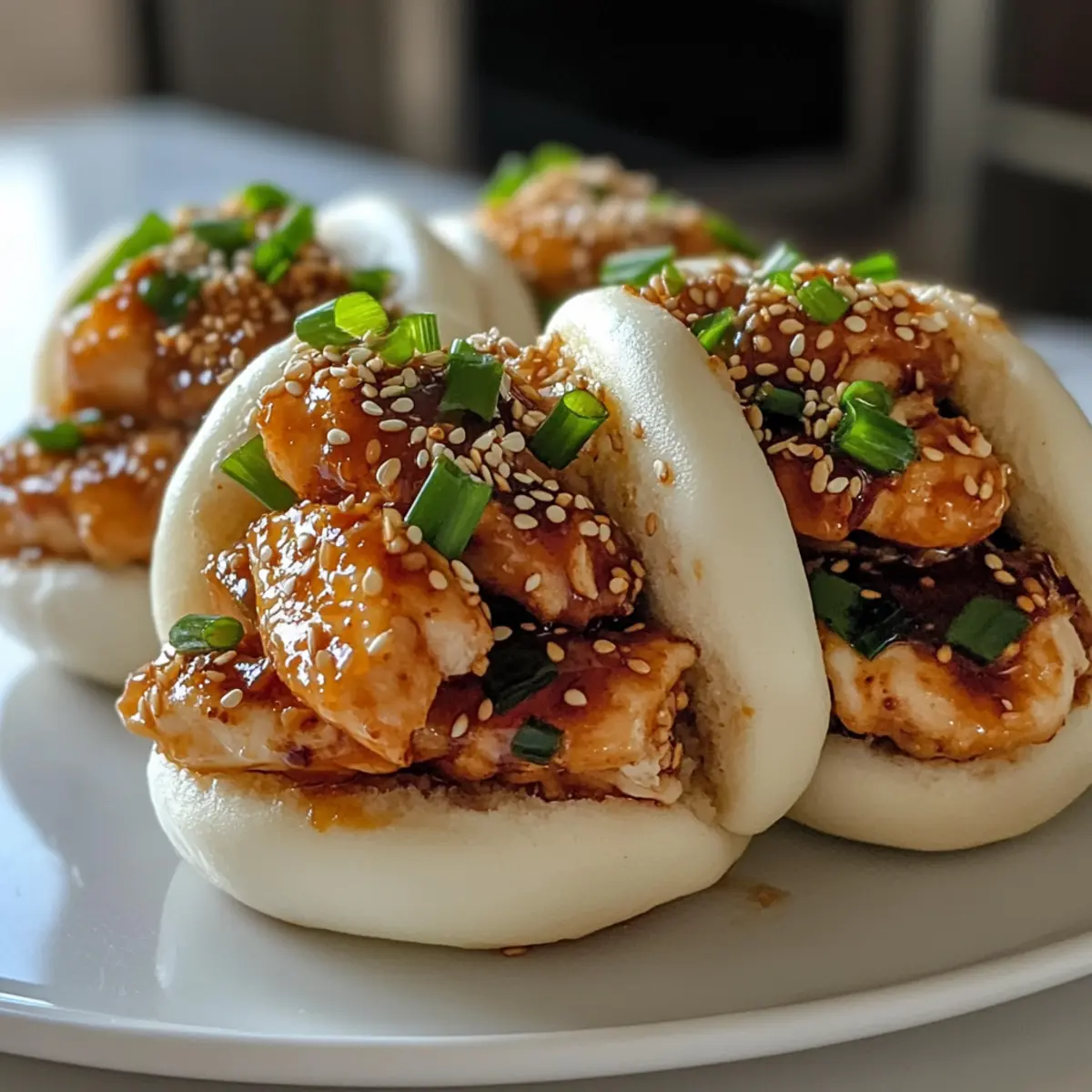
Why Are Korean Chicken Bao Buns Special?
Comforting Fusion: These bao buns beautifully blend Korean flavors into a traditional Asian staple, giving you a unique culinary experience.
Soft and Fluffy: The dough is incredibly light, which pairs perfectly with succulent chicken filling, making each bite a delightful surprise.
Fun to Make: Gather your loved ones for a cooking adventure! Rolling and filling the dough can be a fantastic way to turn a meal into a memorable event.
Impressive Presentation: Served warm and garnished with sesame seeds and green onions, these buns are sure to impress at your next gathering.
Versatile Options: Feel free to experiment! Whether you prefer pork or tofu, or even adding vegetables for crunch, the possibilities are endless—just like with our Thai Chicken Meatball recipe!
In just one bite, you’ll understand why these Korean Chicken Bao Buns are a must-have for your next meal!
Korean Chicken Bao Buns Ingredients
For the Dough
• All-Purpose Flour – Provides structure for the bao buns, but you can swap in whole wheat or gluten-free flour as alternatives.
• Sugar – Adds a slight sweetness to the dough; no significant substitutions are needed here.
• Instant Yeast – Essential for leavening the dough; regular yeast may work too, just remember to proof it first.
• Baking Powder – Creates a light, fluffy texture; omit if you’re solely using instant yeast.
• Salt – Enhances flavor in both the dough and filling, making it a crucial ingredient.
• Warm Water – Activates the yeast and hydrates the flour; make sure it’s warm, not hot!
• Vegetable Oil – Adds moisture and softness to the dough; you can substitute any neutral oil if needed.
For the Chicken Filling
• Boneless Chicken Thighs – The main filling that offers tenderness; feel free to use breast for a leaner option.
• Soy Sauce – Provides umami and saltiness; tamari can work for a gluten-free option.
• Gochujang (Korean Chili Paste) – Adds spice and depth; adjust the amount to suit your taste!
• Honey – Sweetens the filling; you can substitute with maple syrup or agave if desired.
• Sesame Oil – Imparts a nutty flavor; toasted sesame oil provides even more depth.
• Garlic – Adds an aromatic layer to the dish; minced fresh garlic is highly recommended.
• Ginger – Contributes warmth and zest—fresh ginger is the best choice for flavor.
• Salt and Pepper – Essential for seasoning; use to taste for the perfect finishing touch.
• Sesame Seeds – Optional garnish that adds crunch and visual appeal.
• Green Onions – Adds freshness and color as an optional garnish.
Dive into the delicious adventure of making Korean Chicken Bao Buns with these essential ingredients!
Step‑by‑Step Instructions for Korean Chicken Bao Buns
Step 1: Dough Preparation
In a large mixing bowl, combine 3 cups of all-purpose flour, 2 tablespoons of sugar, 1 tablespoon of instant yeast, 1 teaspoon of baking powder, and 1 teaspoon of salt. Gradually pour in 1 cup of warm water and 2 tablespoons of vegetable oil, stirring to combine. Knead the mixture on a lightly floured surface for about 8-10 minutes until smooth and elastic.
Step 2: Dough Rising
Place the kneaded dough in a lightly greased bowl and cover it with a damp cloth or plastic wrap. Let it rise in a warm spot for about 1 hour, or until it has doubled in size. The dough should feel airy and soft, indicating it’s ready for shaping into bao buns.
Step 3: Chicken Filling Preparation
While the dough rises, prepare the filling. In a medium bowl, mix 1 pound of boneless chicken thighs with 3 tablespoons of soy sauce, 2 tablespoons of gochujang, 1 tablespoon of honey, 1 tablespoon of sesame oil, 2 minced garlic cloves, and 1 tablespoon of grated fresh ginger. Allow the chicken to marinate for at least 30 minutes, ensuring the flavors meld together beautifully.
Step 4: Cooking the Chicken
After marinating, heat a skillet over medium heat. Add the chicken mixture and sauté for 10-15 minutes, stirring occasionally, until the chicken is fully cooked and no longer pink in the center. The chicken should develop a slightly caramelized exterior and a delicious aroma should fill your kitchen, signaling it’s ready for the bao buns.
Step 5: Assembling Bao Buns
Once the dough has risen and your filling is ready, punch down the dough and divide it into 10-12 equal pieces. Roll each piece into a small circle, about 3-4 inches in diameter. Spoon a generous tablespoon of the chicken filling in the center of each circle and fold the dough over to seal, pinching the edges to ensure they’re secure.
Step 6: Steaming Buns
Prepare a steamer basket lined with parchment paper to prevent sticking. Arrange the formed bao buns in the steamer, leaving space for them to expand. Cover and steam over simmering water for about 10 minutes, or until the buns are fluffy and cooked through. The buns should look soft and white, with a slight bounce when gently pressed.
Step 7: Serving
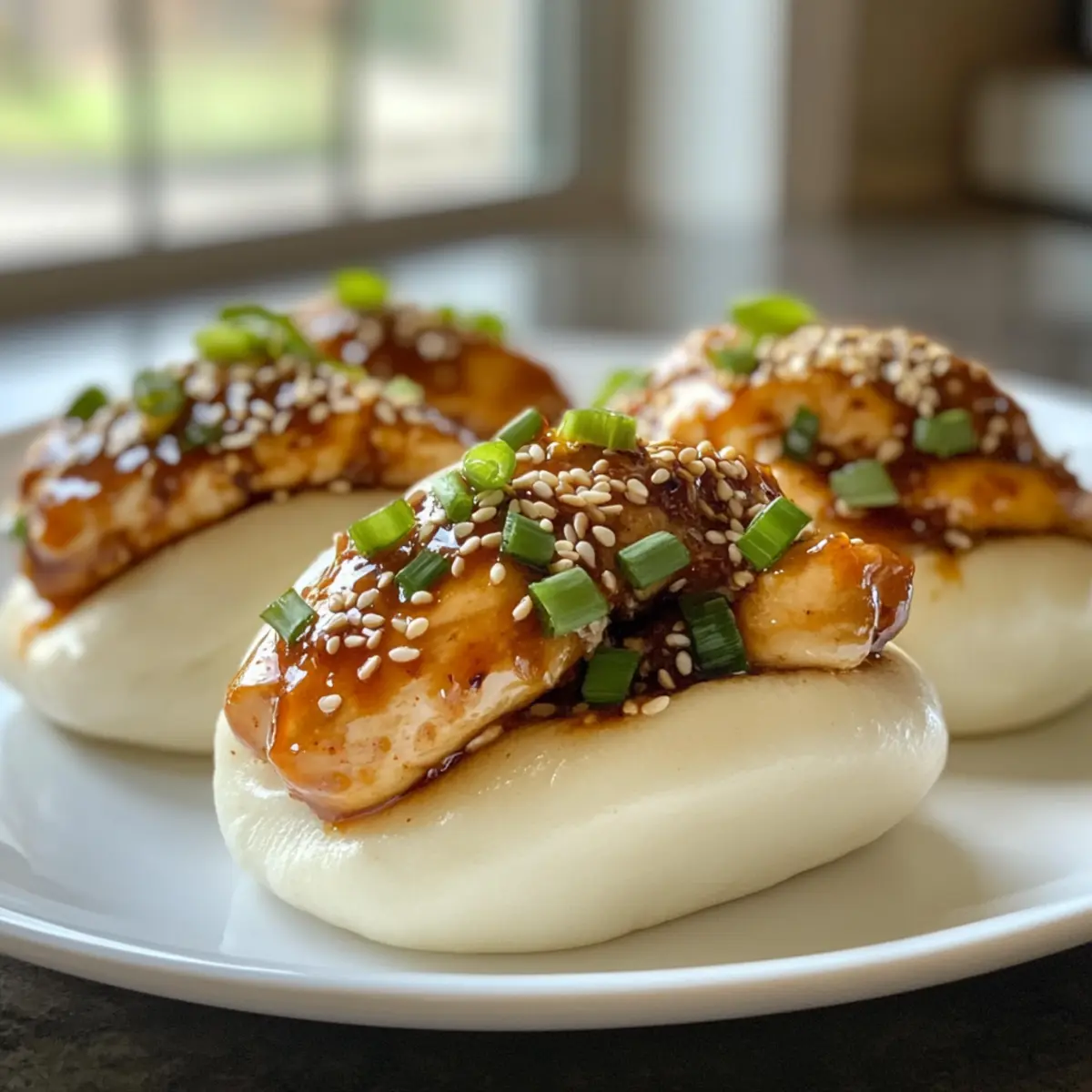
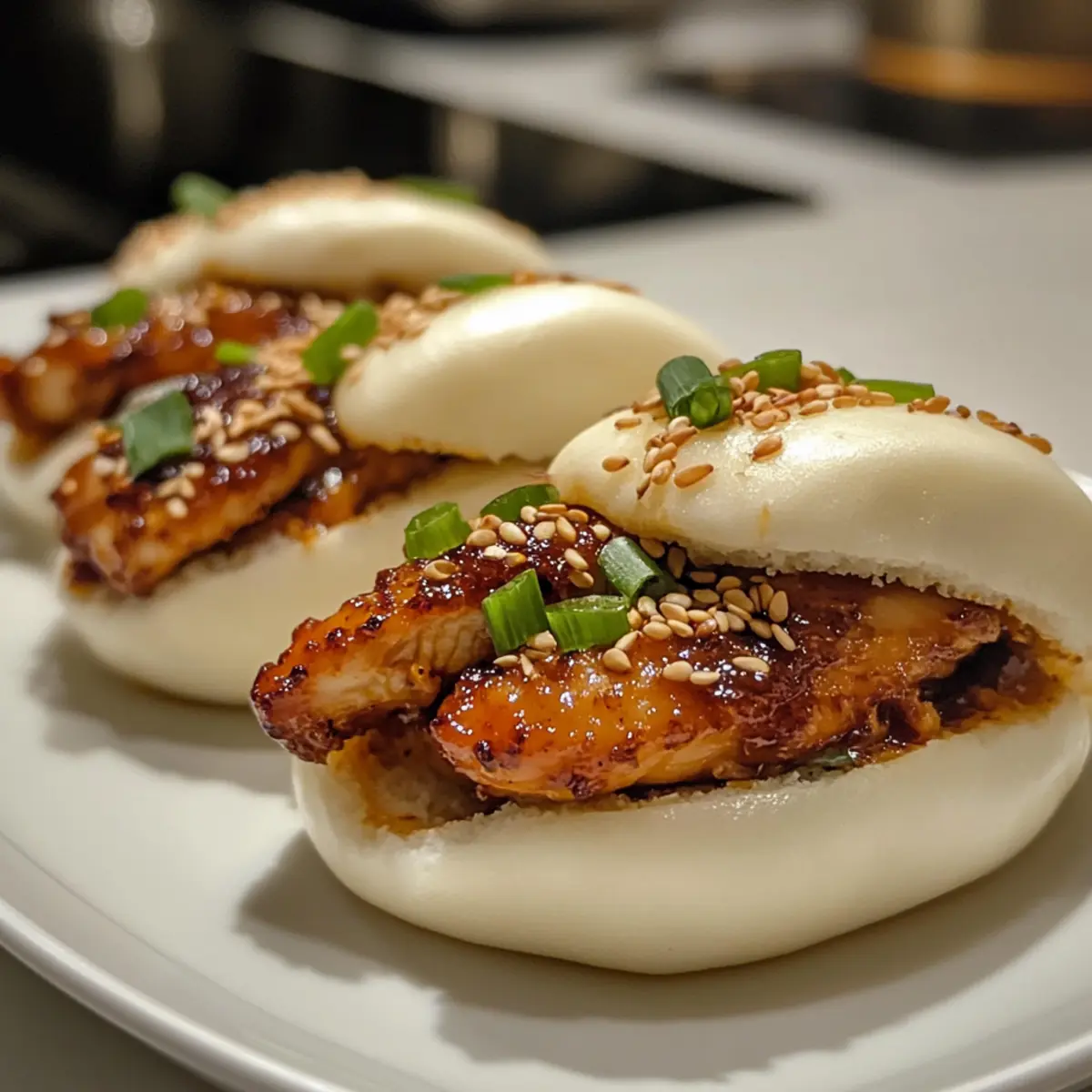
Carefully remove the steamed Korean Chicken Bao Buns from the steamer and transfer them to a serving plate. Garnish with sesame seeds and sliced green onions for added color and texture. Serve warm with your favorite dipping sauces for a delightful finishing touch to this comforting dish.
How to Store and Freeze Korean Chicken Bao Buns
Room Temperature: Bao buns should ideally be enjoyed fresh. If left at room temperature, consume them within 2 hours for the best taste and texture.
Fridge: Place leftover bao buns in an airtight container in the fridge, and they’ll stay fresh for up to 3 days. Reheat in the steamer or microwave with a damp paper towel to retain moisture.
Freezer: For longer storage, freeze cooked bao buns in a single layer on a baking sheet before transferring them to a freezer-safe bag. They can be stored for up to 1 month.
Reheating: To reheat frozen bao, steam them for about 5-6 minutes or microwave them for a quick minute while covered. Enjoy the flavors of your Korean Chicken Bao Buns once more!
What to Serve with Korean Chicken Bao Buns
Create a complete dining experience that tantalizes the taste buds and satisfies the soul.
- Pickled Vegetables: A tangy crunch balances the bao’s softness and enhances the overall flavor profile.
- Asian Greens Salad: Fresh greens tossed in a light sesame dressing provide a vibrant contrast to the rich chicken filling. The refreshing textures will complete your meal beautifully.
- Spicy Chili Sauce: For heat lovers, drizzling or dipping the bao buns in spicy chili sauce adds an exciting kick that complements the savory chicken.
- Jasmine Rice: Fluffy and aromatic, jasmine rice serves as a comforting side that allows for creative mixing and matching with the bao.
- Cucumber Slaw: Crisp and refreshing, a slaw made with julienned cucumbers laced with rice vinegar brings a burst of freshness. Serve this alongside the bao for a delightful contrast in textures.
- Kimchi: A staple in Korean cuisine, its robust flavors and fermented crunch provide an authentic touch and depth of flavor.
- Sweet Chili Dipping Sauce: A drizzle of this sweet-and-spicy sauce enhances the bao’s flavor while adding a delightful element to enjoy while pairing together!
- Green Tea: Serve chilled or warm, this light drink nurtures the palate, offering a serene balance to the indulgent bao buns.
Expert Tips for Korean Chicken Bao Buns
-
Warm Water: Use water that is warm, not hot, to effectively activate the yeast. Too hot can kill the yeast, ruining the dough.
-
Kneading Technique: Avoid overworking the dough. Knead just until it’s smooth and elastic to ensure your bao buns stay fluffy and light.
-
Check for Doneness: When steaming, ensure the buns are fluffy and firm, not sticky or wet. This indicates they’ve been cooked properly.
-
Marination Time: Allow the chicken to marinate longer than 30 minutes if possible. This absorption of flavors enhances the overall taste of your Korean Chicken Bao Buns.
-
Experiment with Fillings: Don’t hesitate to switch up the protein or add vegetables. Making variations keeps this dish exciting and tailored to your preferences.
Make Ahead Options
These Korean Chicken Bao Buns are perfect for busy weeknights when you want to save time without sacrificing flavor! You can prepare the chicken filling up to 3 days in advance; simply marinate it, then store it in an airtight container in the refrigerator. The bao dough can also be made ahead of time and refrigerated for up to 24 hours—just knead, let it rise, and then punch it down before shaping. When you’re ready to enjoy your delicious bao buns, simply steam the assembled buns straight from the fridge for about 12-15 minutes until fluffy. This way, you’ll have delightful, homemade Korean Chicken Bao Buns with minimal effort and just as much flavor!
Korean Chicken Bao Buns Variations & Substitutions
Feel free to get creative with your Korean Chicken Bao Buns, customizing them to fit your taste and dietary needs!
-
Gluten-Free: Use a gluten-free all-purpose flour blend for the dough to cater to gluten sensitivities. The texture might be slightly different, but still delicious!
-
Vegetarian: Substitute the chicken with marinated tofu or mushrooms for a savory plant-based version. Tofu absorbs flavors beautifully, making it a perfect filling.
-
Spicy Kick: Add extra gochujang or some chili flakes to the chicken filling for those who crave heat. A little bit of spice can elevate the flavor profile and awaken your taste buds.
-
Veggie-Loaded: Mix in shredded carrots, bell peppers, or cabbage with the chicken for additional crunch and nutrition. Not only does this enhance the texture, but it also packs in more veggies for a balanced bite.
-
Sweet Twist: Experiment with the fillings by adding a bit of pineapple or mango for a fruity contrast. The sweetness will beautifully balance the savory spices, reminiscent of the flavors in our Spicy Korean Gochujang.
-
Crunchy Toppings: Garnish with crushed peanuts or fried shallots for a delightful crunch that contrasts with the soft bao. Add this step to make your dishes visually appealing as well!
-
Asian Dips: Serve with a variety of dipping sauces, like sweet chili or a soy sauce and vinegar mix, to enhance the meal’s flavor. Variety transforms your dining experience into an exciting culinary adventure!
-
Meal Prep: If time is short, prepare the filling ahead and freeze it. This way, making fresh bao during the week becomes a quick and fun cooking experience.
Dive into these variations to create your unforgettable version of Korean Chicken Bao Buns!
Korean Chicken Bao Buns Recipe FAQs
How do I select the best ingredients for the bao buns?
Absolutely! For the best results, choose all-purpose flour that’s fresh and has not been stored for too long. When it comes to chicken, boneless thighs offer tenderness, but if you’re looking for a leaner option, go for chicken breast. Ensure the garlic is fresh for full flavor and opt for a gochujang that suits your heat preferences—some are milder while others pack a punch!
What are the best storage methods for leftover bao buns?
Very good question! Bao buns are best enjoyed fresh, but if you have leftovers, store them in an airtight container in the fridge for up to 3 days. For optimal taste, I recommend reheating them in a steamer or covering them with a damp paper towel in the microwave to maintain their moist texture.
Can I freeze Korean Chicken Bao Buns?
Absolutely! To freeze, place the cooked bao buns in a single layer on a baking sheet and freeze until solid. Once frozen, transfer them to a freezer-safe bag. They can be stored for up to 3 months. When you’re ready to enjoy, simply steam them for about 5-6 minutes or microwave them for around 1 minute to heat through. Trust me, this way, you’ll still savor the fluffy goodness!
What if my dough doesn’t rise properly?
Very often, this can happen if the water you used to activate the yeast was too hot or if the yeast was expired. To troubleshoot, double-check the water temperature—aim for around 110°F to 115°F (43°C to 46°C). If the dough still doesn’t rise, try leaving it in a warm, draft-free location to help it along or consider using fresh yeast.
Are Korean Chicken Bao Buns safe for different dietary requirements?
You can certainly adjust the recipe to accommodate various dietary needs! For gluten-free options, substitute all-purpose flour with a gluten-free blend. For a vegetarian alternative, feel free to use tofu or mushrooms instead of chicken, adding your desired seasonings. Just remember to check labels for gluten-free soy sauce or gochujang if necessary.
How long can the chicken filling be stored?
The chicken filling can be prepared in advance and stored in the refrigerator for up to a day. Simply cover it in an airtight container to maintain freshness. Before using it, you may want to sauté it again briefly to warm it through, ensuring all those delicious flavors are revived!

Irresistible Korean Chicken Bao Buns You Can Make at Home
Ingredients
Equipment
Method
- In a large mixing bowl, combine the dough ingredients and knead until smooth and elastic.
- Let the kneaded dough rise in a warm spot until doubled in size.
- Mix the chicken filling ingredients and let marinate for at least 30 minutes.
- Sauté the marinated chicken in a skillet until fully cooked.
- Divide the dough, fill, and seal each bun before steaming.
- Steam the formed bao buns until fluffy and cooked through.
- Garnish steamed buns and serve warm with sauces.