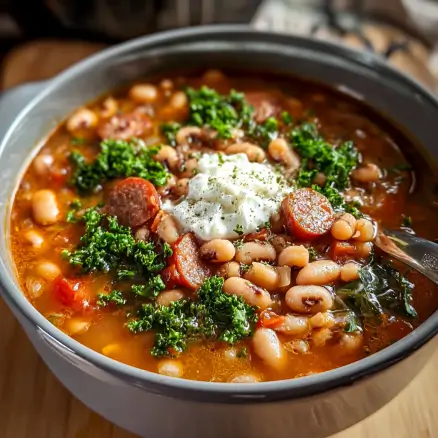
Southern Black-Eyed Pea Soup: A Quick and Tasty Recipe

Introduction to Southern Black-Eyed Pea Soup

There’s something undeniably comforting about a warm bowl of soup, especially when it’s Southern Black-Eyed Pea Soup. This dish is like a hug in a bowl, perfect for those chilly evenings or busy days when you need a quick solution. I remember my grandmother making this hearty soup, filling the kitchen with its rich aroma. It’s not just a meal; it’s a way to gather around the table and share stories. With its nutritious ingredients and robust flavors, this recipe is sure to impress your loved ones while keeping things simple and satisfying.

Why You’ll Love This Southern Black-Eyed Pea Soup

This Southern Black-Eyed Pea Soup is a game-changer for busy weeknights. It’s not only quick to prepare but also packed with flavor and nutrition. The earthy black-eyed peas provide a hearty base, while the vibrant vegetables add a delightful crunch. Plus, it’s versatile! You can easily customize it to suit your taste or dietary needs. In just an hour, you’ll have a comforting meal that warms both the body and soul.

Ingredients for Southern Black-Eyed Pea Soup

Gathering the right ingredients is the first step to creating a delicious Southern Black-Eyed Pea Soup. Here’s what you’ll need:

  • Dried black-eyed peas: These little legumes are the star of the show, providing a hearty texture and earthy flavor.
  • Olive oil: A splash of this liquid gold helps sauté the vegetables, adding richness to the soup.
  • Onion: Diced onions bring sweetness and depth, forming the aromatic base of the soup.
  • Garlic: Minced garlic adds a punch of flavor that elevates the entire dish.
  • Carrot: Diced carrots contribute a subtle sweetness and vibrant color.
  • Celery: This crunchy vegetable adds freshness and a slight earthiness.
  • Bell pepper: Diced bell pepper introduces a pop of color and a hint of sweetness.
  • Vegetable broth: A flavorful base that ties all the ingredients together, making the soup rich and savory.
  • Smoked paprika: This spice brings a smoky depth, reminiscent of Southern cooking.
  • Dried thyme: A classic herb that adds an aromatic touch, enhancing the overall flavor.
  • Bay leaf: A single bay leaf infuses the soup with a subtle, herbal note.
  • Salt and pepper: Essential for seasoning, these staples help balance the flavors.
  • Kale (optional): Adding chopped kale boosts the nutritional value and adds a lovely green color.
  • Apple cider vinegar (optional): A splash at the end brightens the flavors and adds a tangy finish.

For exact measurements, check the bottom of the article where you can find everything listed for easy printing. Feel free to get creative with substitutions based on what you have on hand! For instance, if you’re out of kale, spinach works just as well. The beauty of this soup lies in its flexibility.

How to Make Southern Black-Eyed Pea Soup

Now that you have all your ingredients ready, let’s dive into making this delicious Southern Black-Eyed Pea Soup. Follow these simple steps, and you’ll have a hearty meal in no time!

Step 1: Sauté the Vegetables

Start by heating a tablespoon of olive oil in a large pot over medium heat. Once the oil is shimmering, toss in the diced onion. Sauté it for about five minutes until it becomes translucent. This step is crucial; it builds the foundation of flavor for your soup. The aroma will start to fill your kitchen, and trust me, it’s a good sign!

Step 2: Add More Veggies

Next, stir in the minced garlic, diced carrot, celery, and bell pepper. Cook this colorful mix for another five minutes, stirring occasionally. The vegetables should soften slightly, and their flavors will meld beautifully. This is where the magic begins, as the vibrant colors and scents come together to create a delightful base.

Step 3: Combine the Main Ingredients

Now it’s time to add the star of the show: the rinsed black-eyed peas! Pour them into the pot along with the vegetable broth, smoked paprika, dried thyme, bay leaf, salt, and pepper. Give everything a good stir to combine. Bring the mixture to a boil, and watch as it bubbles with promise. This is where the soup starts to transform into something truly special.

Step 4: Simmer to Perfection

Once boiling, reduce the heat to low and cover the pot. Let it simmer for about 45 minutes, or until the black-eyed peas are tender. Stir occasionally to ensure nothing sticks to the bottom. The longer it simmers, the more the flavors will deepen. You’ll know it’s ready when the peas are soft and the soup has thickened slightly.

Step 5: Final Touches

For the final flourish, stir in the chopped kale if you’re using it. Let it cook for an additional five minutes until the kale wilts beautifully. If you like a bit of tang, add a tablespoon of apple cider vinegar at the end. Don’t forget to taste and adjust the seasoning with more salt and pepper if needed. Your Southern Black-Eyed Pea Soup is now ready to be served!
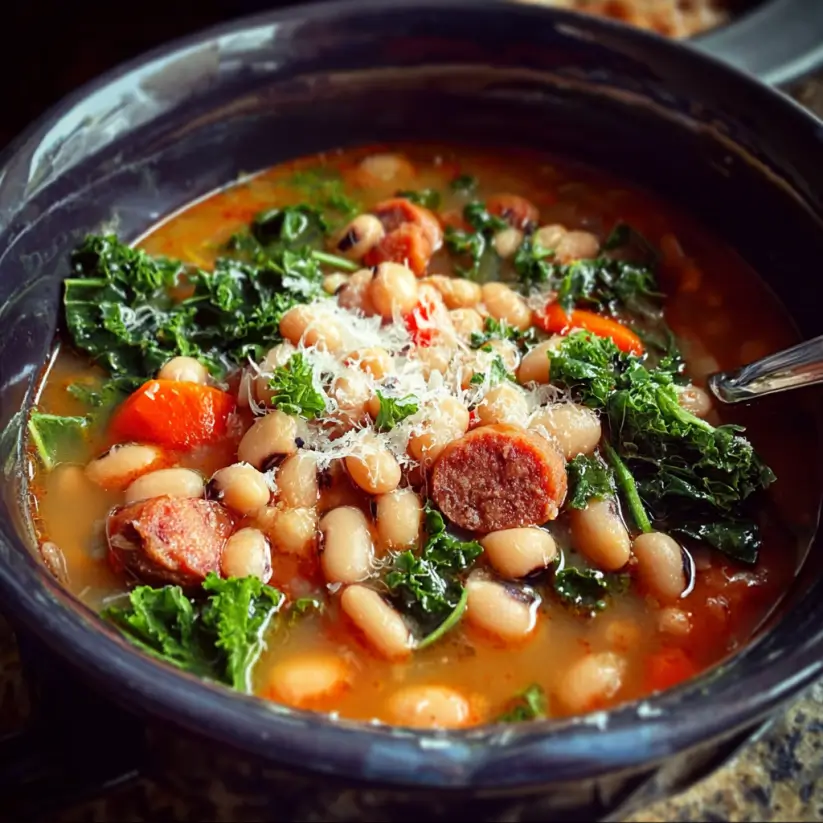
Tips for Success

  • Soak the black-eyed peas overnight for quicker cooking and better texture.
  • Feel free to add diced tomatoes for extra flavor and a hint of acidity.
  • For a spicier kick, toss in some red pepper flakes or hot sauce.
  • Make it a meal by serving with cornbread or over rice.
  • Store leftovers in an airtight container for up to three days.

Equipment Needed

  • Large pot: A sturdy pot is essential for simmering the soup. A Dutch oven works great too.
  • Wooden spoon: Perfect for stirring and scraping the bottom of the pot.
  • Measuring cups: Handy for portioning out your ingredients.
  • Cutting board and knife: Essential for chopping your vegetables.

Variations of Southern Black-Eyed Pea Soup

  • Spicy Southern Black-Eyed Pea Soup: Add diced jalapeños or a splash of hot sauce for a fiery kick that will warm you from the inside out.
  • Meaty Version: Incorporate diced ham or smoked sausage for a heartier soup that adds a savory depth to the flavors.
  • Vegan Delight: Keep it plant-based by using vegetable broth and omitting any meat. You can also add more veggies like zucchini or sweet potatoes.
  • Herb-Infused: Experiment with fresh herbs like cilantro or parsley for a burst of freshness that brightens the dish.
  • Creamy Twist: Blend a portion of the soup after cooking to create a creamy texture without adding dairy. Just blend half and stir it back in!

Serving Suggestions for Southern Black-Eyed Pea Soup

  • Pair with warm cornbread for a classic Southern touch that complements the soup’s flavors.
  • Serve alongside a fresh green salad to add a crisp contrast to the hearty soup.
  • For drinks, sweet tea or a light beer enhances the Southern experience.
  • Garnish with fresh herbs or a drizzle of olive oil for an elegant finish.

FAQs about Southern Black-Eyed Pea Soup

Can I use canned black-eyed peas instead of dried?

Absolutely! If you’re short on time, canned black-eyed peas can be a great shortcut. Just rinse and drain them, and add them in during the last 15 minutes of cooking to heat through.

Is Southern Black-Eyed Pea Soup gluten-free?

Yes, this soup is naturally gluten-free! Just ensure that your vegetable broth is labeled gluten-free, and you’re good to go.

How can I store leftovers?

Store any leftover Southern Black-Eyed Pea Soup in an airtight container in the fridge for up to three days. You can also freeze it for up to three months. Just thaw and reheat when you’re ready to enjoy it again!

Can I make this soup in a slow cooker?

Definitely! Combine all the ingredients in your slow cooker and cook on low for 6-8 hours or high for 3-4 hours. It’s a fantastic way to let the flavors meld while you go about your day.

What can I serve with Southern Black-Eyed Pea Soup?

This soup pairs wonderfully with cornbread, a fresh salad, or even over rice for a heartier meal. Don’t forget a glass of sweet tea to complete the Southern experience!

Final Thoughts

Cooking Southern Black-Eyed Pea Soup is more than just preparing a meal; it’s about creating memories and sharing warmth with those you love. Each spoonful is a reminder of home, filled with rich flavors and comforting textures. Whether you’re enjoying it on a chilly evening or serving it at a family gathering, this soup brings people together. It’s a dish that invites conversation and laughter, making every bite a celebration of Southern hospitality. So, roll up your sleeves, gather your ingredients, and let this hearty soup fill your kitchen with joy and delicious aromas!

Ranis

Southern Black-Eyed Pea Soup: A Quick and Tasty Recipe

A quick and tasty Southern Black-Eyed Pea Soup recipe that is hearty and nutritious.
Prep Time 10 minutes
Cook Time 50 minutes
Total Time 1 hour
Servings: 6 servings
Course: Soup
Cuisine: Southern
Calories: 180

Ingredients
  

  • 1 cup dried black-eyed peas rinsed and sorted
  • 1 tablespoon olive oil
  • 1 medium onion diced
  • 2 cloves garlic minced
  • 1 medium carrot diced
  • 1 celery stalk diced
  • 1 bell pepper diced
  • 4 cups vegetable broth
  • 1 teaspoon smoked paprika
  • 1 teaspoon dried thyme
  • 1 bay leaf
  • Salt and pepper to taste
  • 2 cups chopped kale optional
  • 1 tablespoon apple cider vinegar optional

Method
 

  1. In a large pot, heat the olive oil over medium heat. Add the diced onion and sauté for about 5 minutes until translucent.
  2. Stir in the minced garlic, diced carrot, celery, and bell pepper. Cook for an additional 5 minutes, stirring occasionally.
  3. Add the rinsed black-eyed peas, vegetable broth, smoked paprika, dried thyme, bay leaf, salt, and pepper. Bring the mixture to a boil.
  4. Reduce the heat to low, cover, and let it simmer for about 45 minutes, or until the black-eyed peas are tender.
  5. If using, stir in the chopped kale and cook for an additional 5 minutes until wilted.
  6. Remove the bay leaf and stir in the apple cider vinegar if desired. Adjust seasoning with more salt and pepper to taste.
  7. Serve hot, garnished with fresh herbs or a drizzle of olive oil if desired.

Nutrition

Serving: 1cupCalories: 180kcalCarbohydrates: 30gProtein: 9gFat: 4gSaturated Fat: 0.5gPolyunsaturated Fat: 3.5gSodium: 400mgFiber: 8gSugar: 2g

Notes

  • For added flavor, consider adding diced tomatoes or a splash of hot sauce for some heat.
  • This soup can be made in a slow cooker; simply combine all ingredients and cook on low for 6-8 hours or high for 3-4 hours.


Tried this recipe?

Let us know how it was!

Coffee Cupcakes with Buttercream Frosting: A Must-Try Delight!

Introduction to Coffee Cupcakes with Buttercream Frosting

There’s something magical about the aroma of freshly brewed coffee wafting through the kitchen. It takes me back to lazy Sunday mornings, where the world outside felt still, and the only thing on my agenda was savoring a warm cup of joe. Now, imagine that comforting flavor transformed into delightful coffee cupcakes with buttercream frosting. This recipe is a quick solution for a busy day or a sweet treat to impress your loved ones. Whether you’re a coffee aficionado or just looking for a delicious dessert, these cupcakes are sure to hit the spot!

Why You’ll Love This Coffee Cupcakes with Buttercream Frosting

These coffee cupcakes with buttercream frosting are a dream come true for busy bakers. They come together in just 40 minutes, making them perfect for last-minute gatherings or a cozy night in. The rich coffee flavor paired with creamy frosting creates a delightful balance that will have everyone coming back for seconds. Plus, they’re easy to customize, so you can make them your own with just a few tweaks!

Ingredients for Coffee Cupcakes with Buttercream Frosting

Gathering the right ingredients is the first step to baking success. For these coffee cupcakes with buttercream frosting, you’ll need a mix of pantry staples and a few special touches. Here’s what you’ll need:

  • All-purpose flour: The backbone of your cupcakes, providing structure and texture.
  • Granulated sugar: Sweetens the batter and helps create a moist crumb.
  • Baking powder: This leavening agent gives your cupcakes that perfect rise.
  • Baking soda: Works alongside baking powder for a light and fluffy texture.
  • Salt: Enhances the flavors and balances the sweetness.
  • Unsweetened cocoa powder: Adds a rich chocolatey depth that complements the coffee.
  • Brewed coffee: The star of the show! It infuses the cupcakes with a robust coffee flavor.
  • Vegetable oil: Keeps the cupcakes moist and tender.
  • Large eggs: Bind the ingredients together and add richness.
  • Vanilla extract: A classic flavor enhancer that rounds out the taste.

For the buttercream frosting, you’ll need:

  • Unsalted butter: The base of your frosting, providing creaminess and flavor.
  • Powdered sugar: Sweetens the frosting and gives it that fluffy texture.
  • Heavy cream: Adds richness and helps achieve the perfect consistency.
  • Vanilla extract: Just like in the cupcakes, it enhances the overall flavor.
  • Brewed coffee: A splash in the frosting ties everything together beautifully.

For those looking to get creative, consider adding a tablespoon of espresso powder to the batter for an extra kick. You can also top your frosted cupcakes with chocolate shavings or coffee beans for a fun finishing touch. Exact measurements for all these ingredients can be found at the bottom of the article, ready for printing!

How to Make Coffee Cupcakes with Buttercream Frosting

Now that you have your ingredients ready, it’s time to dive into the fun part—baking! Follow these simple steps to create your coffee cupcakes with buttercream frosting. Trust me, the process is as enjoyable as the end result!

Step 1: Preheat and Prepare

First things first, preheat your oven to 350°F (175°C). This ensures your cupcakes bake evenly. While the oven warms up, line a cupcake pan with paper liners. This little step makes cleanup a breeze and adds a nice touch to your presentation.

Step 2: Mix Dry Ingredients

In a large mixing bowl, whisk together the all-purpose flour, granulated sugar, baking powder, baking soda, salt, and cocoa powder. Make sure everything is well combined. This is where the magic begins, as these dry ingredients will create the structure of your cupcakes.

Step 3: Combine Wet Ingredients

In another bowl, mix the cooled brewed coffee, vegetable oil, eggs, and vanilla extract until smooth. The coffee is the star here, bringing that rich flavor to life. Don’t rush this step; a good mix ensures a uniform batter.

Step 4: Combine Wet and Dry Mixtures

Gradually add the wet ingredients to the dry ingredients. Stir gently until just combined. Be careful not to overmix; a few lumps are perfectly fine. Overmixing can lead to dense cupcakes, and we want them light and fluffy!

Step 5: Fill Cupcake Liners

Now, it’s time to fill those cupcake liners! Divide the batter evenly among them, filling each about two-thirds full. This allows room for the cupcakes to rise without overflowing. Plus, it keeps them looking neat and tidy.

Step 6: Bake

Place the cupcake pan in the preheated oven and bake for 18-20 minutes. To check for doneness, insert a toothpick into the center of a cupcake. If it comes out clean, they’re ready! If not, give them a couple more minutes.

Step 7: Cool the Cupcakes

Once baked, remove the cupcakes from the oven and let them cool in the pan for about 5 minutes. Then, transfer them to a wire rack to cool completely. This step is crucial; frosting warm cupcakes can lead to a melty mess!

Step 8: Make the Buttercream Frosting

While the cupcakes cool, let’s whip up that delicious buttercream frosting. In a large bowl, beat the softened unsalted butter with an electric mixer until creamy. Gradually add the powdered sugar, mixing on low speed until combined. Then, add the heavy cream, vanilla extract, and brewed coffee. Beat on high speed for 2-3 minutes until fluffy. This frosting is the perfect complement to your coffee cupcakes!

Step 9: Frost the Cupcakes

Once the cupcakes are completely cool, it’s time to frost them! Use a piping bag for a professional look, or simply spread the frosting with a knife. Don’t be shy—generously top each cupcake with that creamy goodness. You’ve earned it!

Tips for Success

  • Always measure your ingredients accurately for the best results.
  • Let your eggs and butter come to room temperature for a smoother batter.
  • Don’t skip the cooling step; it prevents the frosting from melting.
  • Experiment with different coffee types for unique flavors.
  • Use a toothpick to check for doneness; it’s a reliable method!

Equipment Needed

  • Cupcake pan: Essential for baking; a muffin tin works in a pinch.
  • Paper liners: For easy cleanup; silicone liners are a reusable alternative.
  • Mixing bowls: Use any size; a large bowl is best for mixing.
  • Electric mixer: A hand mixer is great; whisking by hand works too.
  • Toothpick: For testing doneness; a cake tester or knife can substitute.

Variations

  • Mocha Delight: Add 1 tablespoon of espresso powder to the batter for an extra coffee kick.
  • Nutty Flavor: Incorporate chopped walnuts or hazelnuts into the batter for added texture and flavor.
  • Gluten-Free Option: Substitute all-purpose flour with a gluten-free flour blend for a gluten-free treat.
  • Dairy-Free Version: Use coconut oil instead of vegetable oil and a dairy-free butter alternative for the frosting.
  • Spiced Cupcakes: Add a pinch of cinnamon or nutmeg to the batter for a warm, spiced flavor.

Serving Suggestions

  • Pair your coffee cupcakes with a rich espresso or a creamy latte for a delightful coffee experience.
  • Serve with a scoop of vanilla ice cream for a decadent dessert.
  • Garnish with chocolate shavings or a sprinkle of cocoa powder for an elegant touch.
  • Present on a decorative platter for a stunning display at gatherings.

FAQs about Coffee Cupcakes with Buttercream Frosting

Can I use decaf coffee for these cupcakes?

Absolutely! If you prefer a milder flavor or want to avoid caffeine, decaf coffee works perfectly. The taste will still be delightful, and you won’t miss out on the rich coffee essence.

How should I store leftover cupcakes?

Store your coffee cupcakes with buttercream frosting in an airtight container at room temperature. They’ll stay fresh for up to three days. If you want to keep them longer, consider refrigerating them, but let them come to room temperature before serving for the best flavor.

Can I freeze these cupcakes?

Yes, you can freeze the cupcakes! Just make sure they are completely cool before wrapping them tightly in plastic wrap and placing them in a freezer-safe container. They can be frozen for up to three months. Frost them after thawing for the best results.

What can I substitute for vegetable oil?

If you’re out of vegetable oil, you can use melted coconut oil or unsweetened applesauce as a substitute. Both options will keep your cupcakes moist and delicious!

Can I make these cupcakes ahead of time?

Definitely! You can bake the cupcakes a day in advance and frost them just before serving. This way, they’ll be fresh and ready to impress your guests!

Final Thoughts

Creating these coffee cupcakes with buttercream frosting is more than just baking; it’s about crafting moments of joy. The rich aroma of coffee fills your kitchen, inviting everyone to gather around. Each bite offers a delightful balance of flavors, making them perfect for any occasion. Whether you’re celebrating a special event or simply indulging in a sweet treat after a long day, these cupcakes are sure to bring smiles. So, roll up your sleeves, embrace the process, and enjoy the delicious rewards. Trust me, your taste buds will thank you for this delightful adventure!

Ranis

Coffee Cupcakes with Buttercream Frosting: A Must-Try Delight!

Delicious coffee-flavored cupcakes topped with creamy buttercream frosting, perfect for coffee lovers.
Prep Time 20 minutes
Cook Time 20 minutes
Total Time 40 minutes
Servings: 12 cupcakes
Course: Dessert
Cuisine: American
Calories: 290

Ingredients
  

  • 1 ½ cups all-purpose flour
  • 1 cup granulated sugar
  • 1 teaspoon baking powder
  • ½ teaspoon baking soda
  • ¼ teaspoon salt
  • ½ cup unsweetened cocoa powder
  • 1 cup brewed coffee cooled
  • ½ cup vegetable oil
  • 2 large eggs
  • 1 teaspoon vanilla extract
For the Buttercream Frosting:
  • 1 cup unsalted butter softened
  • 4 cups powdered sugar
  • 2 tablespoons heavy cream
  • 1 teaspoon vanilla extract
  • 1 tablespoon brewed coffee cooled

Method
 

  1. Preheat your oven to 350°F (175°C) and line a cupcake pan with paper liners.
  2. In a large mixing bowl, whisk together the flour, sugar, baking powder, baking soda, salt, and cocoa powder until well combined.
  3. In another bowl, mix the cooled coffee, vegetable oil, eggs, and vanilla extract until smooth.
  4. Gradually add the wet ingredients to the dry ingredients, stirring until just combined. Do not overmix.
  5. Divide the batter evenly among the cupcake liners, filling each about two-thirds full.
  6. Bake in the preheated oven for 18-20 minutes, or until a toothpick inserted into the center comes out clean.
  7. Remove from the oven and let the cupcakes cool in the pan for 5 minutes before transferring them to a wire rack to cool completely.
  8. While the cupcakes are cooling, prepare the buttercream frosting. In a large bowl, beat the softened butter with an electric mixer until creamy.
  9. Gradually add the powdered sugar, mixing on low speed until combined. Add the heavy cream, vanilla extract, and brewed coffee, then beat on high speed for 2-3 minutes until fluffy.
  10. Once the cupcakes are completely cool, frost them with the buttercream using a piping bag or a knife.
  11. Serve immediately or store in an airtight container at room temperature for up to 3 days.

Nutrition

Serving: 1cupcakeCalories: 290kcalCarbohydrates: 38gProtein: 3gFat: 14gSaturated Fat: 8gPolyunsaturated Fat: 6gCholesterol: 40mgSodium: 150mgFiber: 1gSugar: 28g

Notes

  • For a mocha twist, add 1 tablespoon of espresso powder to the batter.
  • For a fun topping, sprinkle chocolate shavings or coffee beans on the frosted cupcakes.

Tried this recipe?

Let us know how it was!

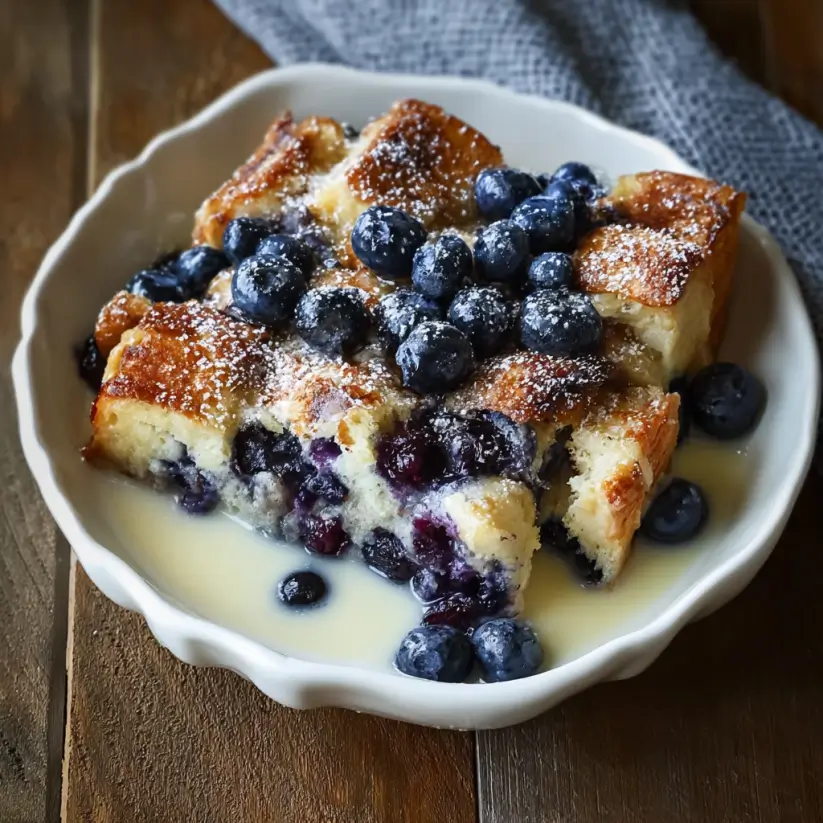
Blueberry French Toast Casserole: A Delicious Morning Treat!

Introduction to Blueberry French Toast Casserole

There’s something magical about waking up to the aroma of freshly baked Blueberry French Toast Casserole wafting through the house. It’s like a warm hug on a chilly morning, inviting you to gather around the table with loved ones. This dish is not just a breakfast; it’s a celebration of flavors and memories. Perfect for busy weekends or special occasions, it combines the ease of a casserole with the delightful taste of French toast. Whether you’re feeding a crowd or just indulging yourself, this recipe is sure to impress and satisfy everyone at the table.

Why You’ll Love This Blueberry French Toast Casserole

This Blueberry French Toast Casserole is a game-changer for breakfast lovers. It’s incredibly easy to prepare, making it perfect for those hectic mornings or lazy weekends. The combination of sweet blueberries and rich custard creates a flavor explosion that will have everyone asking for seconds. Plus, it can be made ahead of time, so you can enjoy more time with family and friends instead of being stuck in the kitchen.

Ingredients for Blueberry French Toast Casserole

Gathering the right ingredients is the first step to creating a delicious Blueberry French Toast Casserole. Here’s what you’ll need:

  • Cubed Day-Old Bread: Use French or Italian bread for the best texture. Day-old bread absorbs the custard beautifully, giving you that perfect French toast experience.
  • Fresh Blueberries: These little gems add a burst of sweetness and color. If fresh isn’t available, frozen blueberries work just as well—just be sure to thaw them first.
  • Large Eggs: The backbone of the custard, eggs provide richness and help bind everything together. They’re essential for that classic French toast flavor.
  • Milk: Whole milk is ideal for creaminess, but feel free to use any milk you prefer, including almond or oat milk for a dairy-free option.
  • Vanilla Extract: A splash of vanilla elevates the flavor, adding warmth and sweetness that complements the blueberries perfectly.
  • Ground Cinnamon: This spice brings a cozy aroma and flavor, making your casserole feel like a warm hug on a plate.
  • Salt: Just a pinch enhances all the flavors, balancing the sweetness of the dish.
  • Maple Syrup: Not only does it sweeten the custard, but it also adds a lovely depth of flavor. You can drizzle extra on top when serving.
  • Powdered Sugar: A light dusting before serving adds a touch of sweetness and makes the dish look extra special.
  • Butter or Cooking Spray: Greasing the baking dish ensures your casserole comes out easily and doesn’t stick.

For those looking to mix things up, consider adding a teaspoon of lemon zest for a refreshing twist or substituting blueberries with strawberries or raspberries. You can also toss in some nuts for an extra crunch. Exact quantities for each ingredient can be found at the bottom of the article, ready for printing!

How to Make Blueberry French Toast Casserole

Creating a Blueberry French Toast Casserole is a delightful journey that fills your kitchen with warmth and sweetness. Follow these simple steps to whip up this delicious breakfast treat that everyone will love.

Step 1: Preheat and Prepare

Start by preheating your oven to 350°F (175°C). This ensures your casserole bakes evenly. While the oven warms up, grab a 9×13-inch baking dish and grease it with butter or cooking spray. Proper preparation is key to a successful casserole, preventing any sticking and ensuring a beautiful presentation.

Step 2: Whisk the Egg Mixture

In a large mixing bowl, crack open the six large eggs and add the milk, vanilla extract, ground cinnamon, salt, and maple syrup. Whisk everything together until it’s well combined. This step is crucial; a thorough mix ensures that every bite of your casserole is packed with flavor. You want that custard to be smooth and inviting!

Step 3: Layer the Ingredients

Now comes the fun part! Layer half of the cubed day-old bread in the bottom of your prepared baking dish. Sprinkle half of the fresh blueberries over the bread, creating a colorful contrast. Then, pour half of the egg mixture over the top. Repeat this process with the remaining bread, blueberries, and egg mixture. The layers not only look appealing but also create a delightful texture in every bite.

Step 4: Pour and Press

Once your layers are set, gently pour the remaining egg mixture over the top. Use your hands or a spatula to press down on the casserole lightly. This step is essential; it allows the bread to soak up the custard, ensuring a moist and flavorful dish. Cover the dish with aluminum foil and let it sit for about 15 minutes. This resting time helps the bread absorb all that deliciousness.

Step 5: Bake to Perfection

Place the covered casserole in the preheated oven and bake for 30 minutes. After that, remove the foil and bake for an additional 15-20 minutes. Keep an eye on it! You want the top to be golden brown and the casserole to be set. A toothpick inserted in the center should come out clean, signaling that it’s ready to be enjoyed.

Step 6: Serve and Enjoy

Once baked, allow the casserole to cool for a few minutes. This helps it set further and makes serving easier. Dust the top with powdered sugar for a touch of sweetness and elegance. Serve it warm with extra maple syrup on the side for drizzling. Your Blueberry French Toast Casserole is now ready to impress!

Tips for Success

  • Use day-old bread for the best texture; it absorbs the custard beautifully.
  • Let the casserole sit for at least 15 minutes before baking to enhance flavor.
  • Experiment with different berries or add nuts for extra crunch.
  • Check for doneness by inserting a toothpick; it should come out clean.
  • Serve warm for the best taste and texture experience.

Equipment Needed

  • 9×13-inch Baking Dish: Essential for baking the casserole. A similar-sized dish works too.
  • Mixing Bowl: For whisking the egg mixture. Any large bowl will do.
  • Whisk: Perfect for blending ingredients. A fork can work in a pinch.
  • Spatula: Great for layering and pressing down the casserole.
  • Aluminum Foil: To cover the dish while baking. Parchment paper is a good alternative.

Variations

  • Berry Medley: Swap out blueberries for a mix of strawberries, raspberries, and blackberries for a colorful twist.
  • Nutty Delight: Add chopped walnuts or pecans for a crunchy texture that complements the soft bread.
  • Banana Bliss: Layer in sliced bananas along with the blueberries for a sweet, tropical flavor.
  • Vegan Option: Use plant-based milk and flax eggs (1 tablespoon of ground flaxseed mixed with 2.5 tablespoons of water per egg) for a vegan-friendly version.
  • Spiced Up: Incorporate a pinch of nutmeg or cardamom into the egg mixture for an aromatic kick.

Serving Suggestions

  • Pair with crispy bacon or sausage for a savory contrast to the sweet casserole.
  • Serve alongside fresh fruit salad for a refreshing touch.
  • Complement with a hot cup of coffee or a chilled glass of orange juice.
  • For a beautiful presentation, garnish with mint leaves or additional blueberries.

FAQs about Blueberry French Toast Casserole

Can I make Blueberry French Toast Casserole ahead of time?

Absolutely! You can prepare the casserole the night before and store it in the fridge. Just cover it tightly with plastic wrap. In the morning, bake it straight from the fridge, adding a few extra minutes to the cooking time.

What can I substitute for blueberries?

If blueberries aren’t your thing, feel free to swap them out for other berries like strawberries, raspberries, or even blackberries. You can also mix in some chopped apples or peaches for a different flavor profile.

How do I store leftovers?

Leftover Blueberry French Toast Casserole can be stored in an airtight container in the fridge for up to three days. Reheat individual portions in the microwave or in the oven until warmed through.

Can I freeze the casserole?

Yes, you can freeze the casserole before baking. Just assemble it, cover it tightly, and freeze for up to two months. When you’re ready to bake, thaw it in the fridge overnight and then bake as directed.

Is this casserole suitable for a vegetarian diet?

Yes! This Blueberry French Toast Casserole is vegetarian-friendly, making it a great option for brunch gatherings. Just ensure that any additional toppings or sides you serve are also vegetarian.

Final Thoughts

Creating a Blueberry French Toast Casserole is more than just cooking; it’s about crafting moments that linger long after the last bite. The joy of sharing this warm, comforting dish with family and friends is truly special. Each slice is a blend of nostalgia and flavor, evoking memories of lazy Sunday mornings and laughter around the table. Whether it’s a holiday brunch or a simple weekday treat, this casserole brings people together. So, roll up your sleeves, embrace the process, and let the delightful aroma fill your home. You’ll be rewarded with smiles and satisfied appetites!

Ranis

Blueberry French Toast Casserole: A Delicious Morning Treat!

A delicious and easy-to-make Blueberry French Toast Casserole, perfect for breakfast or brunch.
Prep Time 15 minutes
Total Time 1 hour
Servings: 8 servings
Course: Breakfast
Cuisine: American
Calories: 280

Ingredients
  

  • 8 cups of cubed day-old bread such as French or Italian bread
  • 2 cups of fresh blueberries or frozen, thawed
  • 6 large eggs
  • 2 cups of milk
  • 1 teaspoon of vanilla extract
  • 1 teaspoon of ground cinnamon
  • 1/4 teaspoon of salt
  • 1/4 cup of maple syrup plus extra for serving
  • 1/4 cup of powdered sugar for dusting
  • Butter or cooking spray for greasing the baking dish

Method
 

  1. Preheat your oven to 350°F (175°C). Grease a 9x13-inch baking dish with butter or cooking spray.
  2. In a large mixing bowl, whisk together the eggs, milk, vanilla extract, cinnamon, salt, and maple syrup until well combined.
  3. Layer half of the cubed bread in the bottom of the prepared baking dish. Sprinkle half of the blueberries over the bread.
  4. Pour half of the egg mixture over the bread and blueberries. Repeat the layers with the remaining bread, blueberries, and egg mixture.
  5. Press down gently on the casserole to ensure the bread absorbs the egg mixture. Cover the dish with aluminum foil and let it sit for 15 minutes.
  6. Bake covered for 30 minutes, then remove the foil and bake for an additional 15-20 minutes, or until the top is golden brown and the casserole is set.
  7. Allow the casserole to cool for a few minutes before dusting with powdered sugar and serving with extra maple syrup.

Nutrition

Serving: 1servingCalories: 280kcalCarbohydrates: 30gProtein: 10gFat: 10gSaturated Fat: 3gPolyunsaturated Fat: 7gCholesterol: 210mgSodium: 300mgFiber: 2gSugar: 10g

Notes

  • For added flavor, mix in a teaspoon of lemon zest or a splash of almond extract into the egg mixture.
  • Substitute the blueberries with other berries like strawberries or raspberries, or add nuts for extra crunch.

Tried this recipe?

Let us know how it was!

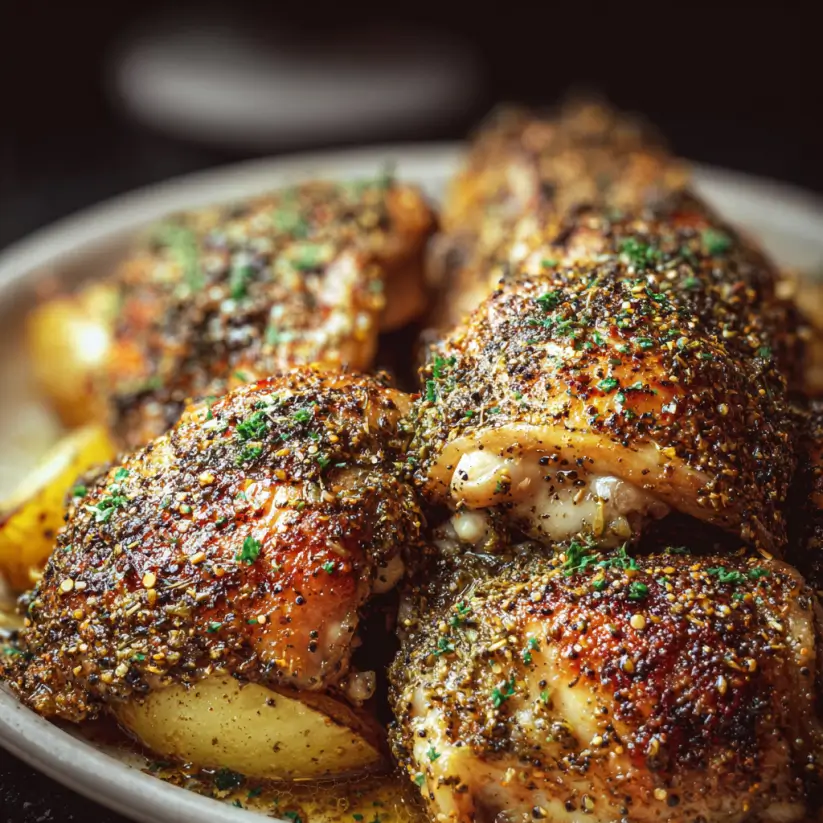
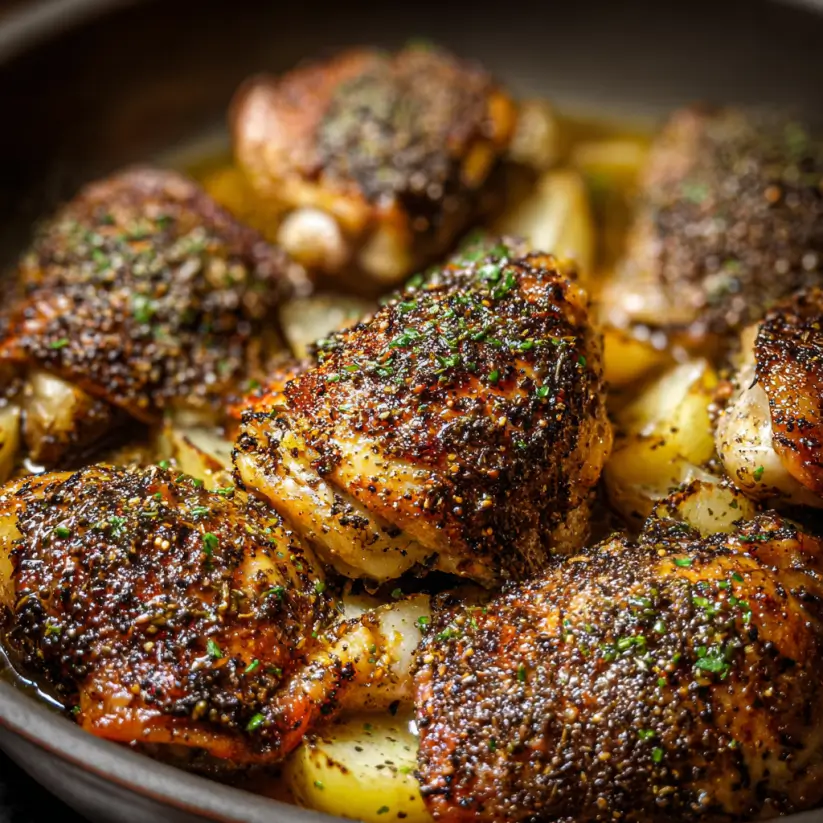
Roasted Zaatar Chicken Thighs: Discover this Flavorful Recipe!

Introduction to Roasted Zaatar Chicken Thighs

There’s something magical about the aroma of roasted chicken wafting through the kitchen. It takes me back to family dinners where laughter mingled with the scent of spices. Today, I’m excited to share my recipe for Roasted Zaatar Chicken Thighs. This dish is not just a meal; it’s a quick solution for those busy weeknights or a way to impress your loved ones during a cozy gathering. With its vibrant flavors and simple preparation, you’ll find that this recipe is a delightful addition to your culinary repertoire. Let’s dive into this flavorful adventure!

Why You’ll Love This Roasted Zaatar Chicken Thighs

This recipe for Roasted Zaatar Chicken Thighs is a game-changer for any home cook. It’s incredibly easy to whip up, making it perfect for those hectic evenings when time is tight. The combination of zaatar spices brings a burst of flavor that will have your taste buds dancing. Plus, the one-pan method means less cleanup, allowing you to savor every bite without the hassle. What’s not to love?

Ingredients for Roasted Zaatar Chicken Thighs

Gathering the right ingredients is the first step to culinary success. For this Roasted Zaatar Chicken Thighs recipe, you’ll need a few key players that come together to create a symphony of flavors.

  • Bone-in, skin-on chicken thighs: These are juicy and flavorful, perfect for roasting. The skin crisps up beautifully, adding texture.
  • Olive oil: A staple in Mediterranean cooking, it helps the spices adhere to the chicken and adds richness.
  • Zaatar spice blend: This Middle Eastern mix typically includes thyme, sumac, and sesame seeds. It’s the star of the show, bringing a unique flavor profile.
  • Garlic powder: A convenient way to add depth and aroma without the fuss of fresh garlic.
  • Salt: Essential for enhancing all the flavors in the dish. Don’t skip it!
  • Black pepper: A classic seasoning that adds a subtle kick.
  • Lemon: Both zest and juice brighten the dish, balancing the richness of the chicken.
  • Cherry tomatoes: These sweet little gems roast beautifully, adding a burst of color and flavor.
  • Red onion: When roasted, it becomes sweet and caramelized, complementing the chicken perfectly.
  • Fresh parsley: A sprinkle of this vibrant herb adds freshness and a pop of color for presentation.

For those looking to spice things up, consider adding a pinch of cayenne pepper to the marinade for an extra kick. If you’re in a pinch, you can substitute chicken thighs with drumsticks or even chicken breasts, though cooking times may vary. You can find the exact quantities for each ingredient at the bottom of the article, ready for printing!

How to Make Roasted Zaatar Chicken Thighs

Creating Roasted Zaatar Chicken Thighs is a straightforward process that yields delicious results. Follow these simple steps, and you’ll have a flavorful meal ready in no time!

Step 1: Preheat the Oven

Start by preheating your oven to 425°F (220°C). This step is crucial for achieving that perfect crispy skin on the chicken. A hot oven ensures the chicken cooks evenly and locks in all those juicy flavors. Trust me, you don’t want to skip this part!

Step 2: Prepare the Marinade

In a large bowl, combine olive oil, zaatar, garlic powder, salt, black pepper, lemon zest, and lemon juice. Each ingredient plays a role: the olive oil helps the spices stick, while zaatar brings that unique Middle Eastern flair. The garlic powder adds depth, and the lemon brightens everything up. Mix well until you have a smooth marinade.

Step 3: Marinate the Chicken

Add the chicken thighs to the marinade, ensuring they’re well coated. This is where the magic happens! Let them marinate for at least 30 minutes. If you have time, refrigerate them for up to 2 hours. The longer they sit, the more flavorful they become. It’s worth the wait!

Step 4: Arrange for Roasting

Line a baking sheet with parchment paper for easy cleanup. Place the marinated chicken thighs on the sheet, skin side up. Arrange the halved cherry tomatoes and red onion wedges around the chicken. This not only adds flavor but also makes for a beautiful presentation. Everything roasts together, creating a delicious medley!

Step 5: Roast the Chicken

Slide the baking sheet into your preheated oven and roast for 35-40 minutes. Keep an eye on it! The chicken is done when the skin is crispy and the internal temperature reaches 165°F (75°C). A meat thermometer is your best friend here, ensuring perfectly cooked chicken every time.

Step 6: Rest and Garnish

Once out of the oven, let the chicken rest for about 5 minutes. This allows the juices to redistribute, keeping the meat tender. Before serving, sprinkle fresh parsley on top for a pop of color and freshness. Your Roasted Zaatar Chicken Thighs are now ready to impress!

Tips for Success

  • Always marinate the chicken for at least 30 minutes, but longer is better for flavor.
  • Use a meat thermometer to check for doneness; it should read 165°F (75°C).
  • Don’t overcrowd the baking sheet; give the chicken and veggies space to roast evenly.
  • Experiment with different vegetables like bell peppers or zucchini for variety.
  • For extra crispiness, broil the chicken for the last 2-3 minutes of cooking.

Equipment Needed

  • Baking sheet: A standard sheet works, but a rimmed one prevents spills.
  • Parchment paper: For easy cleanup; aluminum foil is a good alternative.
  • Mixing bowl: Any large bowl will do for the marinade.
  • Meat thermometer: Essential for checking chicken doneness; a simple knife can also help.

Variations

  • Spicy Zaatar Chicken: Add a pinch of cayenne pepper or red pepper flakes to the marinade for a fiery kick.
  • Herb-Infused: Mix in fresh herbs like rosemary or thyme with the zaatar for an aromatic twist.
  • Vegetarian Option: Substitute chicken with hearty vegetables like eggplant or cauliflower, marinating them in the same zaatar blend.
  • Gluten-Free Grains: Serve with quinoa or rice instead of couscous for a gluten-free meal.
  • Low-Carb Delight: Pair with a side of sautéed spinach or zucchini noodles for a low-carb option.

Serving Suggestions

  • Couscous or Quinoa: These grains soak up the delicious juices from the chicken, making for a hearty side.
  • Fresh Salad: A light cucumber and tomato salad adds a refreshing crunch.
  • Wine Pairing: A chilled Sauvignon Blanc complements the spices beautifully.
  • Presentation: Serve on a large platter, garnished with lemon wedges and parsley for a vibrant look.

FAQs about Roasted Zaatar Chicken Thighs

As you embark on your culinary journey with Roasted Zaatar Chicken Thighs, you might have a few questions. Here are some common queries that can help you along the way.

Can I use boneless chicken thighs instead of bone-in?

Absolutely! Boneless chicken thighs will work just fine. Just keep in mind that they may cook a bit faster, so check for doneness around the 25-30 minute mark.

What if I can’t find zaatar spice blend?

No worries! You can make a simple substitute by mixing dried thyme, sesame seeds, and a bit of sumac if you have it. It won’t be exactly the same, but it’ll still add a lovely flavor.

Can I prepare the marinade in advance?

Yes! You can prepare the marinade a day ahead and store it in the fridge. Just add the chicken when you’re ready to cook. This can save you time on busy days!

What sides pair well with this dish?

For a complete meal, consider serving your Roasted Zaatar Chicken Thighs with couscous, quinoa, or a fresh salad. These sides complement the flavors beautifully.

How do I store leftovers?

Store any leftovers in an airtight container in the fridge for up to 3 days. Reheat in the oven or microwave, and enjoy the delicious flavors all over again!

Final Thoughts

Cooking Roasted Zaatar Chicken Thighs is more than just preparing a meal; it’s about creating memories and sharing joy with those you love. The vibrant flavors and enticing aromas fill your kitchen, inviting everyone to gather around the table. Each bite is a celebration of spices and textures, transporting you to a warm Middle Eastern market. Whether it’s a weeknight dinner or a special occasion, this dish brings comfort and satisfaction. I hope you enjoy making it as much as I do, and may it become a cherished recipe in your home, just like it is in mine!

Ranis

Roasted Zaatar Chicken Thighs: Discover this Flavorful Recipe!

A flavorful recipe for roasted chicken thighs marinated in zaatar spice blend, served with cherry tomatoes and red onion.
Prep Time 30 minutes
Cook Time 40 minutes
Total Time 1 hour 10 minutes
Servings: 4 servings
Course: Main Course
Cuisine: Middle Eastern
Calories: 380

Ingredients
  

  • 4 bone-in skin-on chicken thighs
  • 2 tablespoons olive oil
  • 2 tablespoons zaatar spice blend
  • 1 teaspoon garlic powder
  • 1 teaspoon salt
  • 1/2 teaspoon black pepper
  • 1 lemon zested and juiced
  • 1 cup cherry tomatoes halved
  • 1 red onion cut into wedges
  • Fresh parsley for garnish

Method
 

  1. Preheat your oven to 425°F (220°C).
  2. In a large bowl, combine olive oil, zaatar, garlic powder, salt, black pepper, lemon zest, and lemon juice. Mix well to create a marinade.
  3. Add the chicken thighs to the bowl, ensuring they are well coated with the marinade. Let them marinate for at least 30 minutes, or up to 2 hours in the refrigerator for more flavor.
  4. Place the marinated chicken thighs on a baking sheet lined with parchment paper. Arrange the cherry tomatoes and red onion around the chicken.
  5. Roast in the preheated oven for 35-40 minutes, or until the chicken is cooked through and the skin is crispy. The internal temperature should reach 165°F (75°C).
  6. Remove from the oven and let rest for 5 minutes. Garnish with fresh parsley before serving.

Nutrition

Serving: 1chicken thigh with vegetablesCalories: 380kcalCarbohydrates: 5gProtein: 24gFat: 30gSaturated Fat: 8gPolyunsaturated Fat: 22gCholesterol: 120mgSodium: 800mgFiber: 1gSugar: 2g

Notes

  • For a spicier kick, add a pinch of cayenne pepper to the marinade.
  • Serve with a side of couscous or quinoa for a complete meal.

Tried this recipe?

Let us know how it was!

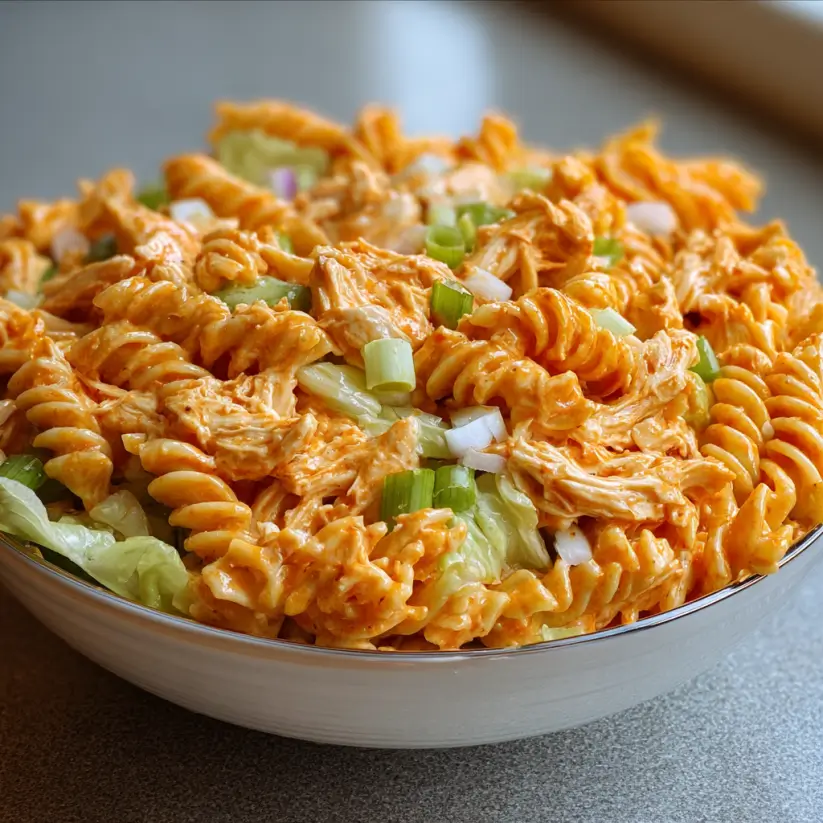
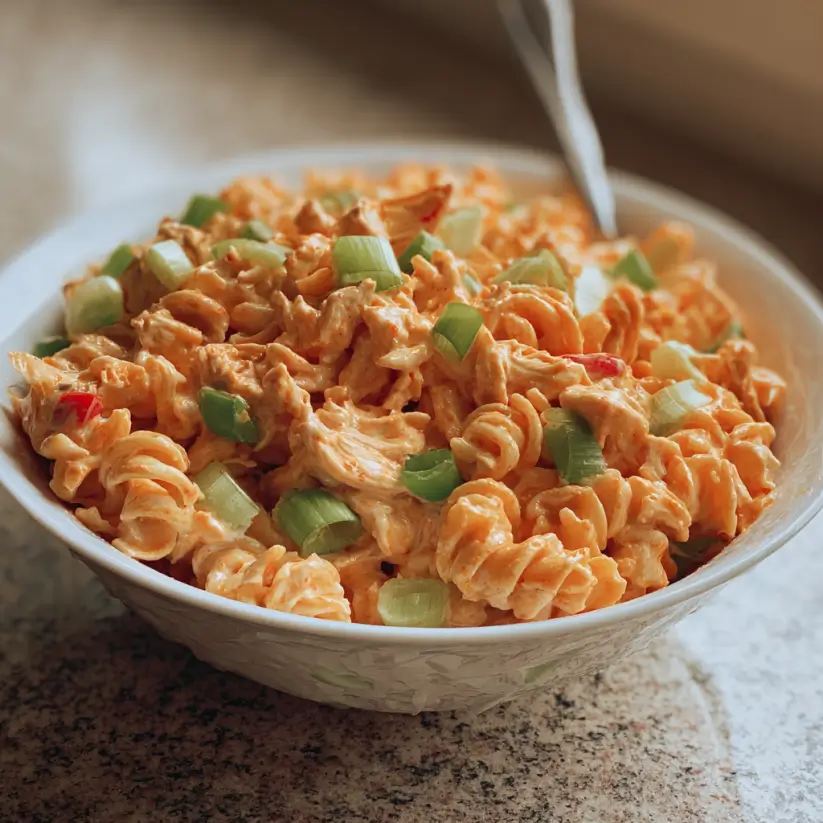
Buffalo Chicken Pasta Salad: A Tangy Delight to Try!

Introduction to Buffalo Chicken Pasta Salad

There’s something magical about a dish that brings together comfort and excitement, and that’s exactly what you get with Buffalo Chicken Pasta Salad. This recipe is a game-changer for busy weeknights or casual gatherings. It’s quick to whip up, yet packed with flavor that will impress your family and friends. I remember the first time I made it; the spicy aroma filled my kitchen, and I knew I had stumbled upon a winner. Whether you’re looking for a satisfying meal or a side dish that steals the show, this salad is your go-to solution.

Why You’ll Love This Buffalo Chicken Pasta Salad

This Buffalo Chicken Pasta Salad is a delightful blend of flavors that’s as easy to make as it is delicious. In just 25 minutes, you can create a dish that’s perfect for lunch, dinner, or a potluck. The combination of tender chicken, zesty buffalo sauce, and creamy ranch dressing makes every bite a taste sensation. Plus, it’s a fantastic way to use up leftover chicken, making it a win-win for busy cooks like us!

Ingredients for Buffalo Chicken Pasta Salad

Gathering the right ingredients is the first step to creating this flavorful Buffalo Chicken Pasta Salad. Here’s what you’ll need:

  • Rotini pasta: This spiral-shaped pasta holds onto the dressing beautifully, making every bite a burst of flavor.
  • Cooked chicken: Shredded chicken is the star here. Use leftover rotisserie chicken for convenience or grill some fresh chicken for a smoky touch.
  • Celery: Diced celery adds a satisfying crunch and a refreshing contrast to the spicy elements.
  • Red bell pepper: Sweet and vibrant, this ingredient not only enhances the flavor but also adds a pop of color.
  • Red onion: Finely chopped, it brings a mild sharpness that complements the other ingredients perfectly.
  • Ranch dressing: Creamy and tangy, ranch dressing balances the heat of the buffalo sauce. You can swap it for Greek yogurt for a lighter option.
  • Buffalo sauce: The key to that signature kick! Adjust the amount based on your spice tolerance; more sauce means more heat.
  • Blue cheese crumbles: These add a rich, tangy flavor that pairs wonderfully with the buffalo sauce. If you’re not a fan, feta cheese works too.
  • Salt and pepper: Essential for seasoning, these simple ingredients elevate the overall taste.
  • Fresh parsley: Chopped parsley is a lovely garnish that adds a touch of freshness and color before serving.

For those looking to customize, consider adding diced jalapeños for extra heat or swapping out the pasta for a gluten-free option. The exact quantities for each ingredient are available at the bottom of the article for easy printing.

How to Make Buffalo Chicken Pasta Salad

Creating this Buffalo Chicken Pasta Salad is a breeze. Follow these simple steps, and you’ll have a delicious dish ready in no time. Let’s dive in!

Step 1: Cook the Pasta

Start by boiling a pot of water. Add a pinch of salt to enhance the pasta’s flavor. Once the water is bubbling, toss in the rotini pasta. Cook it according to the package instructions until it’s al dente. This usually takes about 8-10 minutes. When it’s done, drain the pasta and rinse it under cold water. This stops the cooking process and cools it down quickly.

Step 2: Combine the Ingredients

In a large mixing bowl, combine the cooled pasta with the shredded chicken, diced celery, red bell pepper, and red onion. This colorful mix not only looks great but also adds a variety of textures. Make sure to stir gently to avoid breaking the pasta.

Step 3: Prepare the Dressing

In a separate small bowl, whisk together the ranch dressing and buffalo sauce. This is where the magic happens! Adjust the buffalo sauce to your taste. If you like it spicy, don’t hold back. A little extra heat can elevate the dish!

Step 4: Mix Everything Together

Pour the dressing over the pasta and chicken mixture. Toss everything together until all the ingredients are well coated. The creamy ranch and spicy buffalo sauce should envelop every piece of pasta and chicken. It’s a beautiful sight!

Step 5: Chill the Salad

Cover the salad with plastic wrap or a lid and refrigerate it for at least 30 minutes. This chilling time allows the flavors to meld together, creating a more delicious dish. Plus, it’s a great way to prepare ahead of time!

Step 6: Serve and Garnish

When you’re ready to serve, give the salad a gentle toss. This redistributes the dressing and ensures every bite is flavorful. Garnish with fresh parsley for a pop of color and freshness. Now, dig in and enjoy your tangy Buffalo Chicken Pasta Salad!

Tips for Success

  • Always rinse the pasta after cooking to stop it from becoming mushy.
  • For a creamier texture, add more ranch dressing or Greek yogurt.
  • Let the salad chill longer than 30 minutes if you can; it enhances the flavors.
  • Experiment with different veggies like corn or avocado for added flavor.
  • Use a mix of hot and mild buffalo sauce for a balanced heat level.

Equipment Needed

  • Large pot: For boiling the pasta. A deep skillet can work in a pinch.
  • Colander: To drain the pasta. A slotted spoon can also do the job.
  • Mixing bowl: A large bowl for combining ingredients. Any big bowl will suffice.
  • Whisk: For mixing the dressing. A fork can be a handy alternative.
  • Plastic wrap or lid: To cover the salad while chilling. A plate can work too.

Variations

  • Spicy Buffalo Chicken Pasta Salad: Add diced jalapeños or a splash of hot sauce for an extra kick.
  • Vegetarian Option: Substitute the chicken with chickpeas or grilled tofu for a hearty, meat-free version.
  • Whole Wheat Pasta: Use whole wheat rotini for a healthier twist that adds fiber and nutrients.
  • Greek-Inspired: Swap ranch dressing for tzatziki and add olives and cucumbers for a Mediterranean flair.
  • Low-Carb Version: Replace rotini with spiralized zucchini or cauliflower for a lighter, low-carb alternative.

Serving Suggestions

  • Pair your Buffalo Chicken Pasta Salad with crispy tortilla chips for a satisfying crunch.
  • Serve alongside a refreshing cucumber salad to balance the heat.
  • For drinks, try a cold craft beer or a zesty lemonade to complement the flavors.
  • Presentation tip: Serve in a colorful bowl and sprinkle extra blue cheese on top for a stunning look.

FAQs about Buffalo Chicken Pasta Salad

As you dive into making this Buffalo Chicken Pasta Salad, you might have a few questions. Here are some common queries that can help you along the way:

Can I use store-bought rotisserie chicken?

Absolutely! Using store-bought rotisserie chicken is a fantastic time-saver. It adds great flavor and makes this Buffalo Chicken Pasta Salad even easier to prepare.

How spicy is this salad?

The spice level depends on how much buffalo sauce you add. If you prefer a milder taste, start with less sauce and gradually increase it to your liking. You can always add more heat with jalapeños or extra buffalo sauce later!

Can I make this salad ahead of time?

Yes! This salad is perfect for meal prep. You can make it a day in advance and store it in the fridge. The flavors will meld beautifully, making it even tastier when you serve it.

Is this Buffalo Chicken Pasta Salad gluten-free?

To make it gluten-free, simply use gluten-free rotini pasta. The rest of the ingredients are naturally gluten-free, so you can enjoy this dish without worry!

What can I substitute for blue cheese?

If blue cheese isn’t your thing, feta cheese is a great alternative. It offers a similar tangy flavor without being as strong. You can also skip the cheese altogether for a lighter version.

Final Thoughts

Making Buffalo Chicken Pasta Salad is more than just preparing a meal; it’s about creating a moment of joy. The combination of spicy buffalo sauce and creamy ranch dressing dances on your taste buds, while the colorful ingredients bring a smile to your face. Whether you’re enjoying it on a busy weeknight or serving it at a gathering, this dish is sure to impress. I love how it brings people together, sparking conversations and laughter. So, roll up your sleeves, dive into this recipe, and savor the delightful flavors that make every bite a celebration!

Ranis

Buffalo Chicken Pasta Salad: A Tangy Delight to Try!

A tangy and flavorful Buffalo Chicken Pasta Salad that combines rotini pasta, shredded chicken, and a spicy buffalo sauce dressing.
Prep Time 15 minutes
Cook Time 10 minutes
Total Time 25 minutes
Servings: 4 servings
Course: Salad
Cuisine: American
Calories: 350

Ingredients
  

  • 2 cups rotini pasta
  • 1 cup cooked chicken shredded
  • 1/2 cup celery diced
  • 1/2 cup red bell pepper diced
  • 1/4 cup red onion finely chopped
  • 1/2 cup ranch dressing
  • 1/2 cup buffalo sauce
  • 1/4 cup blue cheese crumbles
  • Salt and pepper to taste
  • Fresh parsley chopped (for garnish)

Method
 

  1. Cook the rotini pasta according to package instructions until al dente. Drain and rinse under cold water to cool.
  2. In a large mixing bowl, combine the cooked pasta, shredded chicken, celery, red bell pepper, and red onion.
  3. In a separate small bowl, whisk together the ranch dressing and buffalo sauce until well combined.
  4. Pour the dressing mixture over the pasta and chicken mixture. Toss gently to coat all ingredients evenly.
  5. Add the blue cheese crumbles and season with salt and pepper to taste. Toss again to combine.
  6. Cover the salad and refrigerate for at least 30 minutes to allow the flavors to meld.
  7. Before serving, give the salad a gentle toss and garnish with chopped parsley.

Nutrition

Serving: 1servingCalories: 350kcalCarbohydrates: 30gProtein: 25gFat: 15gSaturated Fat: 5gPolyunsaturated Fat: 10gCholesterol: 70mgSodium: 800mgFiber: 2gSugar: 2g

Notes

  • For a spicier kick, add more buffalo sauce or diced jalapeños.
  • Substitute the ranch dressing with Greek yogurt for a lighter version.

Tried this recipe?

Let us know how it was!

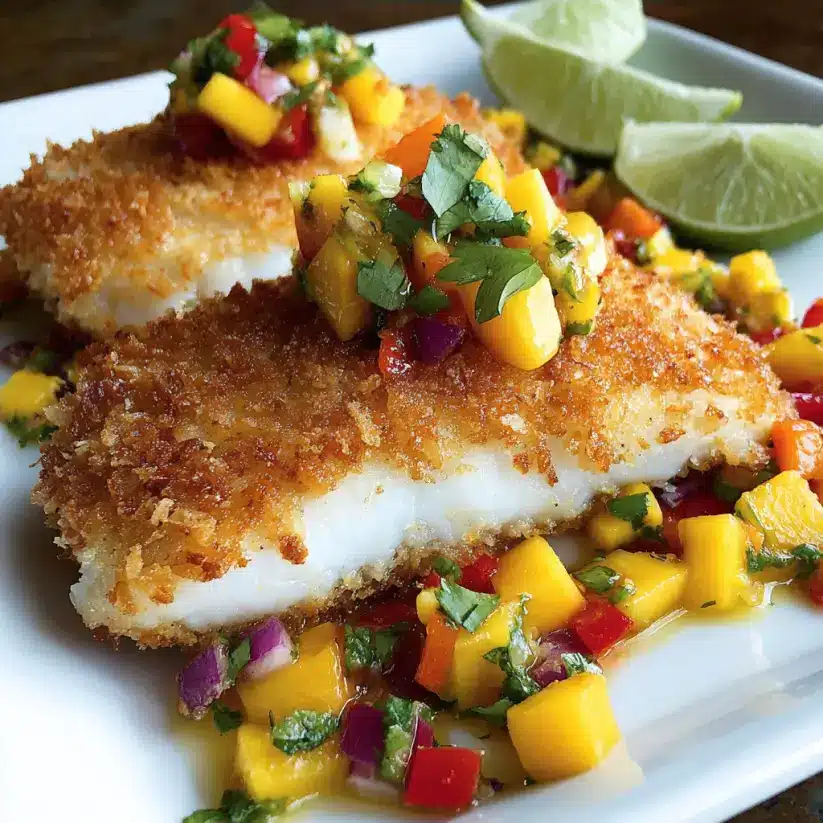
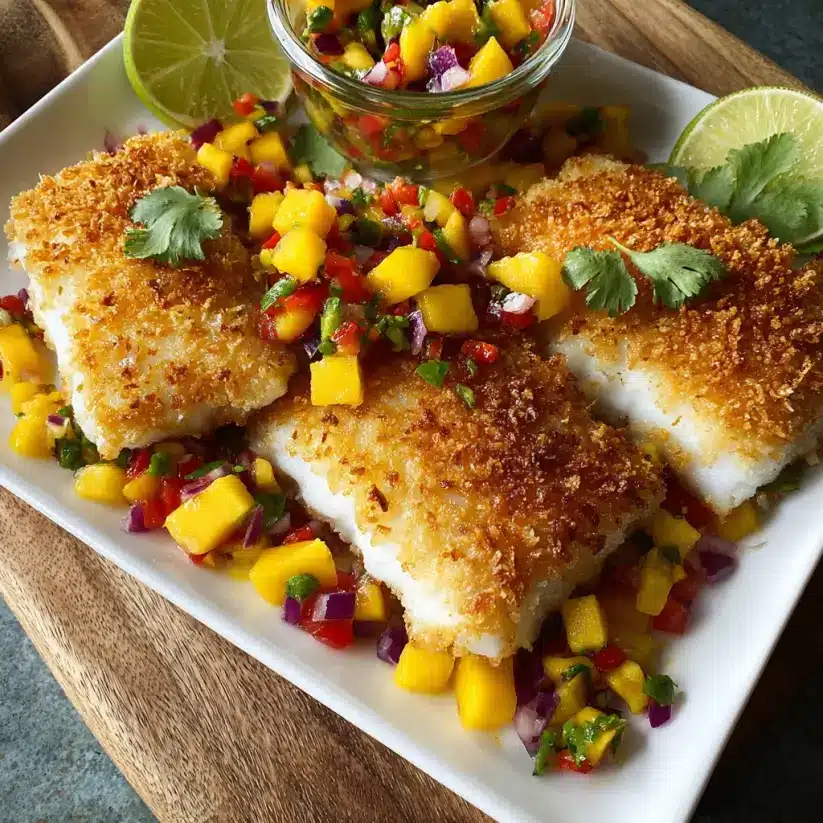
Crispy Coconut-Crusted Fish with Mango Salsa Delight!

Introduction to Crispy Coconut-Crusted Fish with Mango Salsa

There’s something magical about a dish that brings the taste of the tropics right to your kitchen. Crispy Coconut-Crusted Fish with Mango Salsa is not just a meal; it’s an experience. Whether you’re looking to impress your loved ones or simply want a quick solution for a busy weeknight, this recipe has you covered. The crunch of the coconut paired with the vibrant, refreshing mango salsa creates a symphony of flavors that will transport you to a sunny beach. Trust me, your taste buds will thank you for this delightful culinary adventure!

Why You’ll Love This Crispy Coconut-Crusted Fish with Mango Salsa

This dish is a game-changer for anyone who craves a quick, delicious meal without the fuss. In just 30 minutes, you can whip up a restaurant-quality dinner that’s sure to impress. The crispy coconut crust adds a delightful crunch, while the mango salsa brings a burst of freshness. It’s a perfect balance of flavors and textures, making it a hit with both family and friends. Plus, it’s gluten-free!

Ingredients for Crispy Coconut-Crusted Fish with Mango Salsa

Gathering the right ingredients is the first step to creating this tropical delight. Here’s what you’ll need:

  • White fish fillets: Options like tilapia or cod work beautifully. They’re mild and flaky, perfect for soaking up flavors.
  • Shredded unsweetened coconut: This adds that signature crunch and a hint of sweetness. Make sure it’s unsweetened to keep the balance right.
  • Panko breadcrumbs: These Japanese-style breadcrumbs provide an extra crispy texture. They’re lighter than regular breadcrumbs, making your fish even more delightful.
  • Garlic powder: A must for flavor! It adds depth without overpowering the dish.
  • Paprika: This spice brings a subtle smokiness and a beautiful color to the crust.
  • Salt and pepper: Essential for seasoning. Adjust to your taste for the perfect flavor.
  • Large eggs: They act as a binder, helping the coating stick to the fish.
  • All-purpose flour: This is the first step in the coating process, ensuring a nice grip for the egg and coconut mixture.
  • Coconut oil: Ideal for frying, it adds a lovely coconut flavor and helps achieve that golden-brown crust.
  • Ripe mango: The star of the salsa! Sweet and juicy, it brings a refreshing contrast to the crispy fish.
  • Red bell pepper: Adds crunch and a pop of color to the salsa.
  • Red onion: For a bit of sharpness and sweetness, finely chopped to enhance the salsa.
  • Jalapeño: A touch of heat! Adjust the amount based on your spice preference.
  • Lime: Fresh lime juice brightens the salsa and balances the sweetness of the mango.
  • Salt: Just a pinch to enhance the flavors of the salsa.

For exact measurements, check the bottom of the article where you can find everything listed for easy printing. Happy cooking!

How to Make Crispy Coconut-Crusted Fish with Mango Salsa

Prepare the Mango Salsa

Start by dicing the ripe mango into small pieces. In a medium bowl, combine the mango with the diced red bell pepper, finely chopped red onion, and minced jalapeño. Squeeze in the fresh lime juice and sprinkle a pinch of salt. Mix everything gently, allowing the flavors to meld together. This salsa is all about freshness, so let it sit while you prepare the fish. Trust me, the longer it sits, the better it gets!

Prepare the Coating

In a shallow dish, mix the panko breadcrumbs with the shredded coconut, garlic powder, paprika, salt, and pepper. This combination creates a crunchy, flavorful coating. In another shallow dish, whisk the eggs until they’re well beaten. Finally, place the flour in a third shallow dish. This three-station setup makes coating the fish a breeze. You’ll love how easy it is to get that perfect crust!

Coat the Fish

Take each fish fillet and first coat it in the flour, shaking off any excess. Next, dip it into the beaten eggs, letting any extra drip off. Finally, press the fillet into the coconut-panko mixture, ensuring it’s well-coated on both sides. This step is crucial for that crispy texture. Repeat with all the fillets, and get ready for some frying magic!

Cook the Fish

Heat the coconut oil in a large skillet over medium heat. Once the oil is hot, carefully add the coated fish fillets to the skillet. Cook for about 3-4 minutes on each side, or until they turn a beautiful golden brown. Keep an eye on them; you want that perfect crispiness without burning. Once cooked, transfer the fish to a paper towel-lined plate to absorb any excess oil. Your kitchen will smell amazing!

Serve the Dish

To plate, place a crispy coconut-crusted fish fillet on each plate. Top it generously with the fresh mango salsa, allowing the vibrant colors to shine. For an extra touch, you can garnish with lime wedges or fresh herbs. This dish not only tastes incredible but looks stunning too. Your family and friends will be impressed, and you’ll feel like a culinary rockstar!

Tips for Success

  • Make sure your oil is hot enough before adding the fish to achieve that perfect crisp.
  • Don’t overcrowd the skillet; fry in batches if necessary for even cooking.
  • Let the mango salsa sit for at least 10 minutes to enhance the flavors.
  • For extra crunch, consider adding crushed nuts to the coconut-panko mixture.
  • Experiment with different fish varieties for unique flavor profiles.

Equipment Needed

  • Large skillet: A non-stick skillet works best, but any frying pan will do.
  • Shallow dishes: Use three for the flour, eggs, and coating mixture; pie plates are perfect.
  • Spatula: A slotted spatula helps lift the fish without losing that crispy coating.
  • Paper towels: Essential for draining excess oil after frying.

Variations

  • Spicy Coconut-Crusted Fish: Add more jalapeño to the mango salsa or mix in some cayenne pepper to the coating for an extra kick.
  • Vegetarian Option: Substitute the fish with thick slices of eggplant or zucchini for a delicious plant-based version.
  • Herb-Infused Coating: Mix in fresh herbs like cilantro or parsley into the coconut-panko mixture for added flavor.
  • Fruit Salsa Twist: Experiment with other fruits like pineapple or papaya in the salsa for a tropical twist.
  • Gluten-Free Alternative: Use gluten-free breadcrumbs instead of panko to keep this dish gluten-free while maintaining that crunch.

Serving Suggestions

  • Side Dishes: Pair the fish with coconut rice or a light quinoa salad for a complete meal.
  • Drinks: A chilled glass of white wine or a tropical cocktail complements the flavors beautifully.
  • Presentation: Serve on a colorful platter with lime wedges and fresh herbs for a vibrant touch.

FAQs about Crispy Coconut-Crusted Fish with Mango Salsa

Can I use frozen fish for this recipe?
Absolutely! Just make sure to thaw the fish completely before coating and cooking. Frozen fish can be just as delicious when prepared correctly.

What can I substitute for mango in the salsa?
If mango isn’t your thing, try using diced pineapple or peach for a similar sweetness. Both will add a delightful twist to the salsa!

How do I store leftovers?
Store any leftover fish and salsa in separate airtight containers in the fridge. The fish is best eaten within a day or two, while the salsa can last up to three days.

Can I bake the fish instead of frying it?
Yes! For a healthier option, bake the coated fish at 400°F (200°C) for about 15-20 minutes, flipping halfway through. This will still give you a nice crisp without the frying.

Is this dish suitable for meal prep?
Definitely! You can prepare the fish and salsa ahead of time. Just store them separately and reheat the fish in the oven for a quick meal during the week.

Final Thoughts

Cooking Crispy Coconut-Crusted Fish with Mango Salsa is more than just following a recipe; it’s about creating a moment of joy in your kitchen. The delightful crunch of the coconut crust paired with the refreshing mango salsa brings a taste of the tropics to your table. Each bite is a celebration of flavors that can brighten even the busiest of days. Whether you’re sharing it with family or enjoying a quiet dinner, this dish is sure to leave a lasting impression. So, roll up your sleeves and dive into this culinary adventure—you won’t regret it!

Ranis

Crispy Coconut-Crusted Fish with Mango Salsa Delight!

A delicious and crispy coconut-crusted fish served with a refreshing mango salsa.
Prep Time 15 minutes
Cook Time 15 minutes
Total Time 30 minutes
Course: Main Course
Cuisine: Caribbean
Calories: 350

Ingredients
  

  • 1 pound white fish fillets such as tilapia or cod
  • 1 cup shredded unsweetened coconut
  • 1 cup panko breadcrumbs
  • 1 teaspoon garlic powder
  • 1 teaspoon paprika
  • Salt and pepper to taste
  • 2 large eggs
  • 2 tablespoons all-purpose flour
  • 1 tablespoon coconut oil for frying
  • 1 ripe mango diced
  • 1/2 red bell pepper diced
  • 1/4 red onion finely chopped
  • 1 jalapeño seeded and minced
  • 1 lime juiced
  • Salt to taste

Method
 

  1. Begin by preparing the mango salsa. In a medium bowl, combine the diced mango, red bell pepper, red onion, jalapeño, lime juice, and a pinch of salt. Mix well and set aside to let the flavors meld while you prepare the fish.
  2. In a shallow dish, mix the panko breadcrumbs, shredded coconut, garlic powder, paprika, salt, and pepper.
  3. In another shallow dish, whisk the eggs until well beaten. In a third shallow dish, place the flour.
  4. Take each fish fillet and coat it first in the flour, shaking off any excess. Next, dip it into the beaten eggs, allowing any excess to drip off. Finally, press the fillet into the coconut-panko mixture, ensuring it is well-coated on both sides.
  5. Heat the coconut oil in a large skillet over medium heat. Once hot, carefully add the coated fish fillets to the skillet. Cook for about 3-4 minutes on each side, or until golden brown and cooked through.
  6. Remove the fish from the skillet and place it on a paper towel-lined plate to absorb any excess oil.
  7. Serve the crispy coconut-crusted fish hot, topped with the fresh mango salsa.

Nutrition

Serving: 1fillet with salsaCalories: 350kcalCarbohydrates: 20gProtein: 25gFat: 18gSaturated Fat: 9gPolyunsaturated Fat: 7gCholesterol: 150mgSodium: 300mgFiber: 2gSugar: 5g

Notes

  • For a spicier kick, add more jalapeño to the salsa or a dash of hot sauce.
  • You can substitute the white fish with shrimp or chicken for a different protein option.

Tried this recipe?

Let us know how it was!

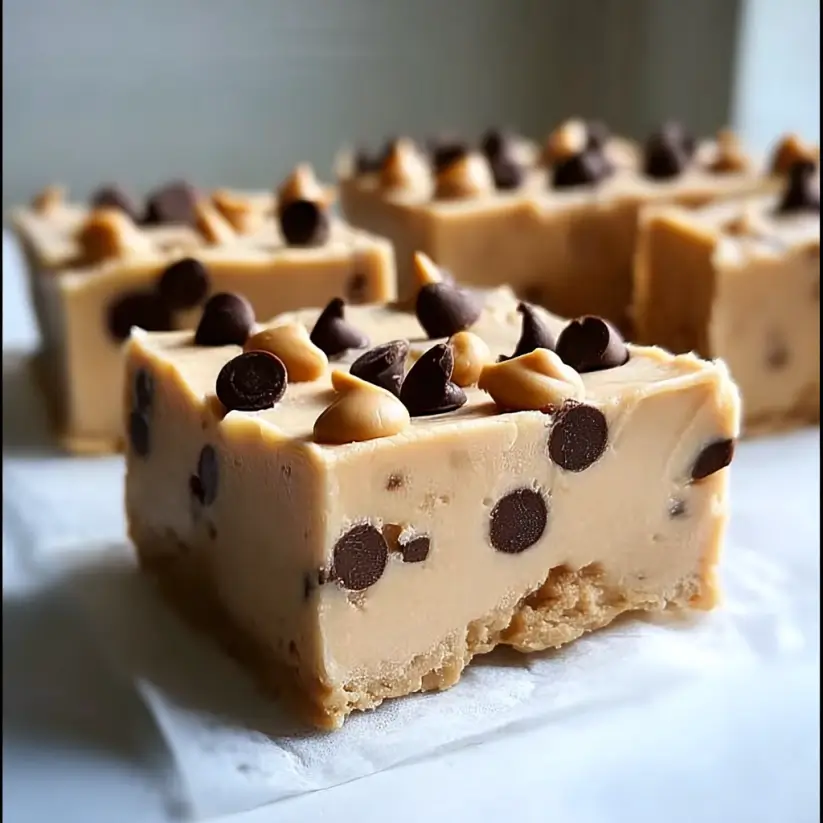
Peanut Butter Frozen Yogurt Bars: Easy Delightful Recipe!

Introduction to Peanut Butter Frozen Yogurt Bars

There’s something magical about a sweet treat that feels indulgent yet guilt-free. These Peanut Butter Frozen Yogurt Bars are just that! They’re perfect for those busy days when you crave a quick solution to satisfy your sweet tooth without the fuss. I remember making these bars on hot summer afternoons, the kind where the sun blazes and the ice cream truck seems like a distant dream. With just a handful of ingredients, you can whip up a delightful dessert that impresses family and friends alike. Trust me, once you try these, they’ll become a staple in your kitchen!

Why You’ll Love This Peanut Butter Frozen Yogurt Bars

These Peanut Butter Frozen Yogurt Bars are a game-changer for anyone looking for a quick and delicious dessert. They come together in just 15 minutes, making them perfect for busy weeknights or spontaneous gatherings. The creamy peanut butter and tangy Greek yogurt create a flavor explosion that’s hard to resist. Plus, they’re a healthier alternative to traditional ice cream, so you can indulge without the guilt!

Ingredients for Peanut Butter Frozen Yogurt Bars

Gathering the right ingredients is the first step to creating these delightful Peanut Butter Frozen Yogurt Bars. Here’s what you’ll need:

  • Creamy peanut butter: This is the star of the show, providing rich flavor and a smooth texture.
  • Plain Greek yogurt: It adds a tangy creaminess and boosts the protein content, making these bars a healthier treat.
  • Honey: A natural sweetener that balances the flavors and adds a touch of sweetness.
  • Vanilla extract: Just a splash enhances the overall flavor, making it more aromatic and inviting.
  • Mini chocolate chips (optional): For those who love a little chocolatey goodness, these add a delightful crunch.
  • Chopped nuts (optional): Almonds or walnuts can provide extra texture and a nutty flavor, perfect for nut lovers.

For those looking to switch things up, consider substituting maple syrup for honey for a vegan-friendly option. You can also add a fruity twist by mixing in mashed bananas or pureed strawberries. The exact quantities for these ingredients are listed at the bottom of the article, ready for you to print out and take to the kitchen!

How to Make Peanut Butter Frozen Yogurt Bars

Creating these Peanut Butter Frozen Yogurt Bars is a breeze! Follow these simple steps, and you’ll have a delicious treat ready to enjoy. Let’s dive in!

Step 1: Mix the Base

Start by grabbing a mixing bowl. Combine the creamy peanut butter, plain Greek yogurt, honey, and vanilla extract. Use a spatula or whisk to blend everything until it’s smooth and creamy. This is where the magic begins! The aroma of peanut butter will fill your kitchen, making it hard to resist tasting the mixture.

Step 2: Add Optional Ingredients

If you’re feeling adventurous, now’s the time to fold in those mini chocolate chips and chopped nuts. They add a delightful crunch and extra flavor. Just gently mix them in, ensuring they’re evenly distributed throughout the creamy base. This step is all about personal preference, so feel free to get creative!

Step 3: Prepare the Baking Dish

Next, line an 8×8-inch baking dish with parchment paper. Make sure to leave some overhang on the sides. This will make it super easy to lift the bars out once they’re frozen. A little prep goes a long way, trust me!

Step 4: Spread the Mixture

Pour the peanut butter yogurt mixture into the prepared baking dish. Use a spatula to spread it evenly across the bottom. Take your time here; a smooth surface will make for beautiful bars later. You want every bite to be just as delicious as the last!

Step 5: Freeze the Bars

Cover the dish with plastic wrap and pop it in the freezer. Let it freeze for at least 4 hours, or until it’s firm. This is the hardest part—waiting! But the anticipation will make the first bite even sweeter.

Step 6: Cut and Serve

Once frozen, carefully lift the bars out of the dish using the parchment paper overhang. Place them on a cutting board and slice them into squares or rectangles. Serve them immediately or store any leftovers in an airtight container in the freezer for up to two weeks. Enjoy your homemade Peanut Butter Frozen Yogurt Bars!

Tips for Success

  • Make sure your peanut butter is at room temperature for easier mixing.
  • Use a rubber spatula to scrape down the sides of the bowl for a smooth mixture.
  • For a creamier texture, opt for full-fat Greek yogurt.
  • Experiment with different mix-ins like dried fruit or seeds for added flavor.
  • Let the bars sit at room temperature for a few minutes before cutting for cleaner slices.

Equipment Needed

  • Mixing bowl: A medium-sized bowl works best; a large one can be used if you prefer.
  • Spatula or whisk: Use a spatula for mixing and spreading; a whisk can help blend smoothly.
  • Baking dish: An 8×8-inch dish is ideal; a similar-sized container will do.
  • Parchment paper: Essential for easy removal; aluminum foil can be a substitute.

Variations

  • Fruity Delight: Add 1/2 cup of mashed bananas or pureed strawberries to the mixture for a refreshing twist.
  • Nutty Crunch: Incorporate different nuts like pecans or hazelnuts for a unique flavor profile.
  • Chocolate Lovers: Mix in cocoa powder or use chocolate peanut butter for an extra chocolatey treat.
  • Vegan Option: Substitute honey with maple syrup and ensure your yogurt is plant-based.
  • Spiced Up: Add a pinch of cinnamon or nutmeg for a warm, cozy flavor that complements the peanut butter.

Serving Suggestions

  • Pair these bars with fresh fruit like strawberries or bananas for a colorful plate.
  • Serve with a drizzle of chocolate or caramel sauce for an extra indulgent touch.
  • Enjoy alongside a glass of cold almond milk or a hot cup of coffee.
  • For a fun presentation, cut the bars into fun shapes using cookie cutters.

FAQs about Peanut Butter Frozen Yogurt Bars

As you embark on your journey to create these delightful Peanut Butter Frozen Yogurt Bars, you might have a few questions. Here are some common queries that can help you along the way:

Can I use natural peanut butter?

Absolutely! Natural peanut butter works wonderfully in this recipe. Just make sure to stir it well before measuring, as it can separate.

How long do these bars last in the freezer?

These bars can be stored in an airtight container in the freezer for up to two weeks. Just be sure to keep them well-wrapped to prevent freezer burn!

Can I make these bars without Greek yogurt?

Yes! If you prefer, you can substitute Greek yogurt with regular yogurt or even a dairy-free alternative. Just keep in mind that the texture and flavor may vary slightly.

What can I use instead of honey?

If you’re looking for a vegan option, maple syrup is a great substitute for honey. It adds a unique flavor while keeping the bars sweet!

Can I add protein powder to the mixture?

Definitely! Adding a scoop of your favorite protein powder can boost the protein content, making these bars an even healthier treat. Just adjust the sweetness if needed!

Final Thoughts

Creating these Peanut Butter Frozen Yogurt Bars is more than just whipping up a dessert; it’s about crafting a moment of joy. Each bite is a delightful blend of creamy peanut butter and tangy yogurt, evoking memories of carefree summer days. Whether you’re enjoying them after a long day or sharing them with friends, these bars bring a sense of satisfaction that’s hard to beat. Plus, knowing they’re a healthier option makes indulging even sweeter. So, roll up your sleeves, gather your ingredients, and let the magic happen in your kitchen. You won’t regret it!

Ranis

Peanut Butter Frozen Yogurt Bars: Easy Delightful Recipe!

A delightful and easy recipe for Peanut Butter Frozen Yogurt Bars that combines creamy peanut butter and Greek yogurt for a delicious treat.
Prep Time 15 minutes
Total Time 4 hours 15 minutes
Servings: 12 servings
Course: Dessert
Cuisine: American
Calories: 150

Ingredients
  

  • 1 cup creamy peanut butter
  • 2 cups plain Greek yogurt
  • 1/4 cup honey
  • 1 teaspoon vanilla extract
  • 1/2 cup mini chocolate chips optional
  • 1/4 cup chopped nuts optional

Method
 

  1. In a mixing bowl, combine the peanut butter, Greek yogurt, honey, and vanilla extract. Stir until the mixture is smooth and well combined.
  2. If desired, fold in the mini chocolate chips and chopped nuts for added texture and flavor.
  3. Line an 8x8-inch baking dish with parchment paper, leaving some overhang for easy removal.
  4. Pour the peanut butter yogurt mixture into the prepared baking dish and spread it evenly.
  5. Cover the dish with plastic wrap and freeze for at least 4 hours, or until firm.
  6. Once frozen, lift the bars out of the dish using the parchment paper overhang. Cut into squares or rectangles.
  7. Store any leftovers in an airtight container in the freezer for up to 2 weeks.

Nutrition

Serving: 1barCalories: 150kcalCarbohydrates: 8gProtein: 6gFat: 10gSaturated Fat: 2gPolyunsaturated Fat: 8gSodium: 50mgFiber: 1gSugar: 6g

Notes

  • For a fruity twist, add 1/2 cup of mashed bananas or pureed strawberries to the yogurt mixture before freezing.
  • Substitute maple syrup for honey for a vegan-friendly option.

Tried this recipe?

Let us know how it was!

Chicken Bacon Ranch Stuffed Bread: A Tasty Delight!

Introduction to Chicken Bacon Ranch Stuffed Bread

There’s something magical about the combination of chicken, bacon, and ranch dressing that brings back memories of family gatherings and game days. This Chicken Bacon Ranch Stuffed Bread is not just a meal; it’s a warm hug on a plate. Perfect for busy weeknights or a casual get-together, this dish is a crowd-pleaser that requires minimal effort. With its crispy exterior and gooey, flavorful filling, it’s bound to impress your loved ones. Trust me, once you try this recipe, it will become a staple in your kitchen!

Why You’ll Love This Chicken Bacon Ranch Stuffed Bread

This Chicken Bacon Ranch Stuffed Bread is a game-changer for anyone who craves flavor without the fuss. It’s quick to prepare, taking just 35 minutes from start to finish. The rich, savory filling of chicken and bacon, combined with creamy ranch, creates a taste explosion that’s hard to resist. Plus, it’s perfect for feeding a crowd or enjoying as a cozy meal at home. You’ll find yourself making it again and again!

Ingredients for Chicken Bacon Ranch Stuffed Bread

Gathering the right ingredients is the first step to creating this delicious Chicken Bacon Ranch Stuffed Bread. Here’s what you’ll need:

  • Cooked chicken: Shredded chicken is the star of this dish. You can use rotisserie chicken for convenience or cook your own.
  • Bacon: Crispy bacon adds a smoky crunch. Feel free to use turkey bacon for a lighter option.
  • Ranch dressing: This creamy dressing ties everything together. If you’re feeling adventurous, try a homemade version!
  • Shredded cheddar cheese: Melty cheese is essential for that gooey texture. You can swap it for mozzarella or pepper jack for a twist.
  • Garlic powder: A sprinkle of garlic powder enhances the flavor. Fresh garlic works too, just adjust the amount.
  • Onion powder: This adds depth to the filling. You can substitute with finely chopped onions if you prefer.
  • French bread: A sturdy loaf is perfect for holding all the goodness. Look for a fresh, crusty option at your local bakery.
  • Olive oil: Drizzling olive oil inside the bread adds flavor and helps it crisp up nicely.
  • Fresh parsley: A sprinkle of chopped parsley not only adds color but also a fresh taste to the finished dish.
  • Salt and pepper: Essential for seasoning. Adjust to your taste!

For those who like a little heat, consider adding diced jalapeños or a splash of hot sauce to the filling. If you want to switch things up, blue cheese dressing can replace ranch for a bolder flavor. Exact quantities for each ingredient are available at the bottom of the article for easy printing!

How to Make Chicken Bacon Ranch Stuffed Bread

Creating this Chicken Bacon Ranch Stuffed Bread is a breeze! Follow these simple steps, and you’ll have a delicious meal ready in no time. Let’s dive in!

Step 1: Preheat the Oven

First things first, preheat your oven to 375°F (190°C). This ensures it’s nice and hot when your stuffed bread is ready to bake. A hot oven is key to achieving that perfect golden crust!

Step 2: Prepare the Filling

In a large bowl, combine the shredded chicken, crumbled bacon, ranch dressing, cheddar cheese, garlic powder, onion powder, salt, and pepper. Mix everything well until all the ingredients are evenly coated. This filling is where the magic happens, so make sure it’s well combined!

Step 3: Prepare the Bread

Next, take your French bread and cut it in half lengthwise. You want to create a top and bottom. Hollow out the inside of each half, leaving about a 1-inch border. This creates a cozy little pocket for all that delicious filling!

Step 4: Add Olive Oil

Drizzle the inside of each bread half with olive oil. This adds flavor and helps the bread crisp up beautifully in the oven. Don’t skimp on this step; it makes a difference!

Step 5: Fill the Bread

Now it’s time to spoon the chicken and bacon mixture evenly into each half of the bread. Make sure to pack it in there! You want every bite to be bursting with flavor.

Step 6: Bake

Place the stuffed bread halves on a baking sheet and pop them in the preheated oven. Bake for 15-20 minutes, or until the bread is golden and the cheese is melted. The aroma will be irresistible!

Step 7: Garnish and Serve

Once baked, remove the bread from the oven and let it cool for a few minutes. Garnish with fresh parsley before slicing into pieces. This adds a pop of color and a fresh taste to your delicious creation!

Tips for Success

  • Use rotisserie chicken for a quick and easy filling.
  • Don’t overfill the bread; leave some space for the cheese to melt.
  • For extra crunch, broil the stuffed bread for the last 2 minutes of baking.
  • Let the bread cool slightly before slicing to avoid a messy cut.
  • Experiment with different cheeses for unique flavors!

Equipment Needed

  • Baking sheet: A standard baking sheet works perfectly. If you don’t have one, a large oven-safe dish will do.
  • Mixing bowl: Any large bowl will suffice for mixing the filling.
  • Knife: A sharp knife is essential for cutting the bread.
  • Spoon: Use a sturdy spoon for filling the bread.

Variations

  • Spicy Kick: Add diced jalapeños or a splash of hot sauce to the filling for an extra kick.
  • Cheese Swap: Try using pepper jack cheese for a zesty twist or feta for a Mediterranean flair.
  • Vegetarian Option: Substitute the chicken and bacon with sautéed mushrooms and spinach for a hearty vegetarian version.
  • Herb Infusion: Mix in fresh herbs like dill or chives to elevate the flavor profile.
  • Gluten-Free Bread: Use gluten-free bread to make this dish suitable for those with dietary restrictions.

Serving Suggestions

  • Side Salad: Pair with a crisp garden salad for a refreshing contrast.
  • Chips: Serve with tortilla chips and salsa for a fun crunch.
  • Drinks: Enjoy with a cold beer or a fizzy soda to complement the flavors.
  • Presentation: Slice the stuffed bread into generous pieces and arrange on a platter for a beautiful display.

FAQs about Chicken Bacon Ranch Stuffed Bread

Can I make Chicken Bacon Ranch Stuffed Bread ahead of time?

Absolutely! You can prepare the filling and stuff the bread a few hours in advance. Just cover it and refrigerate until you’re ready to bake. This makes it a great option for meal prep or entertaining!

What can I substitute for ranch dressing?

If ranch isn’t your thing, you can easily swap it for blue cheese dressing or even a homemade yogurt-based dressing. Each option brings a unique flavor to the dish!

How do I store leftovers?

Store any leftover Chicken Bacon Ranch Stuffed Bread in an airtight container in the fridge for up to three days. Reheat in the oven for the best texture!

Can I freeze this stuffed bread?

Yes, you can freeze the stuffed bread before baking. Wrap it tightly in plastic wrap and foil. When you’re ready to enjoy it, bake from frozen, adding a few extra minutes to the cooking time.

What sides pair well with Chicken Bacon Ranch Stuffed Bread?

This dish goes wonderfully with a side salad, some crispy potato wedges, or even a bowl of soup. The options are endless, so feel free to get creative!

Final Thoughts

Cooking is more than just a task; it’s an experience that brings people together. This Chicken Bacon Ranch Stuffed Bread is a perfect example of that joy. With its warm, cheesy filling and crispy crust, it’s a dish that sparks smiles and satisfied bellies. Whether you’re sharing it with family during a cozy dinner or serving it at a gathering with friends, this recipe is sure to create lasting memories. So roll up your sleeves, embrace the flavors, and enjoy the delightful moments that come from sharing a meal made with love!

Ranis

Chicken Bacon Ranch Stuffed Bread: A Tasty Delight!

A delicious and hearty Chicken Bacon Ranch Stuffed Bread filled with shredded chicken, crispy bacon, and creamy ranch dressing, perfect for a satisfying meal.
Prep Time 15 minutes
Cook Time 20 minutes
Total Time 35 minutes
Servings: 4 servings
Course: Main Dish
Cuisine: American
Calories: 450

Ingredients
  

  • 2 cups cooked chicken shredded
  • 6 slices bacon cooked and crumbled
  • 1 cup ranch dressing
  • 1 cup shredded cheddar cheese
  • 1 teaspoon garlic powder
  • 1 teaspoon onion powder
  • 1 loaf of French bread about 12 inches
  • 1 tablespoon olive oil
  • 1 tablespoon fresh parsley chopped (for garnish)
  • Salt and pepper to taste

Method
 

  1. Preheat your oven to 375°F (190°C).
  2. In a large bowl, combine the shredded chicken, crumbled bacon, ranch dressing, cheddar cheese, garlic powder, onion powder, salt, and pepper. Mix well until all ingredients are evenly coated.
  3. Cut the French bread in half lengthwise, creating a top and bottom. Hollow out the inside of each half, leaving about a 1-inch border.
  4. Drizzle the inside of each bread half with olive oil.
  5. Spoon the chicken and bacon mixture evenly into each half of the bread.
  6. Place the stuffed bread halves on a baking sheet and bake in the preheated oven for 15-20 minutes, or until the bread is golden and the cheese is melted.
  7. Remove from the oven and let cool for a few minutes. Garnish with fresh parsley before slicing into pieces.

Nutrition

Serving: 1/4 of the stuffed breadCalories: 450kcalCarbohydrates: 30gProtein: 30gFat: 25gSaturated Fat: 10gPolyunsaturated Fat: 15gCholesterol: 90mgSodium: 800mgFiber: 2gSugar: 2g

Notes

  • For a spicier kick, add diced jalapeños or a splash of hot sauce to the chicken mixture.
  • You can substitute the ranch dressing with blue cheese dressing for a different flavor profile.

Tried this recipe?

Let us know how it was!

Buffalo Chicken Meatballs: The Ultimate Flavor Explosion!

Introduction to Buffalo Chicken Meatballs

There’s something magical about the combination of spicy and savory that makes Buffalo Chicken Meatballs a go-to for any gathering. Whether it’s game day or a casual get-together, these little flavor bombs are sure to impress. I remember the first time I made them; the aroma filled my kitchen, and my friends couldn’t get enough. They’re not just delicious; they’re also a quick solution for busy days when you want to whip up something special without spending hours in the kitchen. Trust me, once you try these, they’ll become a staple in your home!

Why You’ll Love This Buffalo Chicken Meatballs

Buffalo Chicken Meatballs are a game-changer for any home cook. They’re incredibly easy to make, taking just 35 minutes from start to finish. The flavor? Out of this world! Each bite is a perfect blend of spice and savory goodness. Plus, they’re versatile enough to serve as an appetizer or a main dish. Whether you’re hosting friends or just treating yourself, these meatballs are sure to satisfy your cravings!

Ingredients for Buffalo Chicken Meatballs

Gathering the right ingredients is the first step to creating these mouthwatering Buffalo Chicken Meatballs. Here’s what you’ll need:

  • Ground chicken: The star of the show! It’s lean and absorbs flavors beautifully.
  • Breadcrumbs: These add texture and help bind the meatballs together. You can use regular or gluten-free options.
  • Grated Parmesan cheese: A sprinkle of this adds a rich, nutty flavor that elevates the dish.
  • Chopped green onions: Fresh and vibrant, they bring a mild onion flavor and a pop of color.
  • Egg: This acts as a binder, helping the meatballs hold their shape while cooking.
  • Buffalo sauce: The key ingredient that gives these meatballs their signature kick! Feel free to adjust the amount based on your spice tolerance.
  • Garlic powder: A must-have for that aromatic depth. It’s easier than fresh garlic and still packs a punch.
  • Onion powder: This adds a subtle sweetness and enhances the overall flavor profile.
  • Salt and black pepper: Essential seasonings that bring all the flavors together.
  • Olive oil: A drizzle before baking helps achieve that golden-brown crust.

For those looking to spice things up, consider adding a teaspoon of cayenne pepper to the mix. If you prefer a different protein, ground turkey works just as well. You can find the exact quantities for each ingredient at the bottom of the article, ready for printing!

How to Make Buffalo Chicken Meatballs

Creating Buffalo Chicken Meatballs is a straightforward process that anyone can master. Follow these simple steps, and you’ll have a plateful of spicy goodness ready in no time!

Step 1: Preheat the Oven

Start by preheating your oven to 400°F. This step is crucial because it ensures even cooking. While the oven heats up, line a baking sheet with parchment paper. This not only prevents sticking but also makes cleanup a breeze.

Step 2: Mix the Ingredients

In a large mixing bowl, combine all your ingredients: ground chicken, breadcrumbs, Parmesan cheese, green onions, egg, buffalo sauce, garlic powder, onion powder, salt, and black pepper. Use your hands or a spatula to mix everything until well combined. The mixture should be moist but not overly sticky. If it feels too wet, add a bit more breadcrumbs.

Step 3: Form the Meatballs

Now comes the fun part! Using your hands, shape the mixture into meatballs about 1 inch in diameter. This size is perfect for even cooking and easy snacking. Try to keep them uniform in size so they bake evenly. If you find the mixture sticking to your hands, a little water can help.

Step 4: Prepare for Baking

Drizzle olive oil over the meatballs before baking. This step is essential for achieving that golden-brown crust. The oil helps the meatballs crisp up nicely while keeping them juicy inside. Make sure to coat them evenly for the best results.

Step 5: Bake the Meatballs

Place the baking sheet in the preheated oven and bake for 20-25 minutes. Keep an eye on them! You’ll know they’re done when they’re golden brown and cooked through. A meat thermometer should read 165°F in the center. This ensures they’re safe to eat and perfectly juicy.

Step 6: Toss in Buffalo Sauce

For an extra flavor boost, toss the cooked meatballs in additional buffalo sauce right before serving. This step enhances the spiciness and gives them that signature kick. Serve them warm, and watch them disappear!

Tips for Success

  • Use a cookie scoop for uniform meatballs; it saves time and ensures even cooking.
  • Don’t overmix the ingredients; this keeps the meatballs tender.
  • Let the meatballs rest for a few minutes after baking for better flavor absorption.
  • Experiment with different buffalo sauces to find your perfect heat level.
  • Serve with a side of ranch or blue cheese for a cooling contrast.

Equipment Needed

  • Baking sheet: A standard sheet works, but a rimmed one prevents spills.
  • Parchment paper: Use it for easy cleanup; aluminum foil is a good alternative.
  • Mixing bowl: Any large bowl will do; a stand mixer can save time.
  • Cookie scoop: This helps shape uniform meatballs; a tablespoon works too.

Variations

  • Spicy Buffalo Chicken Meatballs: Add a teaspoon of cayenne pepper or a splash of hot sauce to the mixture for an extra kick.
  • Cheesy Buffalo Chicken Meatballs: Incorporate shredded mozzarella or cheddar cheese into the meatball mixture for a gooey surprise.
  • Vegetarian Option: Substitute ground chicken with a plant-based meat alternative or finely chopped mushrooms and beans for a hearty vegetarian version.
  • Herbed Buffalo Chicken Meatballs: Mix in fresh herbs like parsley or cilantro for a burst of freshness.
  • Gluten-Free Version: Use gluten-free breadcrumbs or crushed gluten-free crackers to keep these meatballs suitable for gluten-sensitive diets.

Serving Suggestions

  • Pair with crunchy celery sticks for a refreshing contrast to the spicy meatballs.
  • Serve with creamy blue cheese or ranch dressing for dipping.
  • For drinks, try pairing with a cold beer or a zesty lemonade.
  • Arrange on a platter with fresh herbs for a vibrant presentation.

FAQs about Buffalo Chicken Meatballs

As you dive into the world of Buffalo Chicken Meatballs, you might have a few questions. Here are some common queries that can help you navigate this delicious dish:

Can I make Buffalo Chicken Meatballs ahead of time?

Absolutely! You can prepare the meatballs and store them in the fridge for up to 24 hours before baking. Just remember to cover them tightly to keep them fresh. You can also freeze them for longer storage; just bake them straight from the freezer, adding a few extra minutes to the cooking time.

What can I serve with Buffalo Chicken Meatballs?

These meatballs are versatile! Serve them with celery sticks and blue cheese dressing for a classic pairing. You can also toss them in a salad, serve them in a sub sandwich, or enjoy them with a side of roasted veggies for a complete meal.

How spicy are these meatballs?

The spice level can be adjusted based on your preference. The base recipe is moderately spicy, thanks to the buffalo sauce. If you like it hotter, add cayenne pepper or use a spicier buffalo sauce. For a milder version, reduce the amount of buffalo sauce or opt for a milder brand.

Can I use ground turkey instead of ground chicken?

Yes, ground turkey is a great substitute! It has a similar texture and flavor profile, making it an excellent alternative for those who prefer it. Just keep in mind that turkey can be a bit leaner, so you might want to add a touch more olive oil to keep the meatballs moist.

How do I know when the meatballs are done?

The best way to check for doneness is to use a meat thermometer. The internal temperature should reach 165°F. If you don’t have one, look for a golden-brown color and ensure they’re firm to the touch. They should not be pink in the center.

Final Thoughts

Buffalo Chicken Meatballs are more than just a dish; they’re a celebration of flavor and fun. Each bite is a delightful explosion of spice that brings people together, whether it’s game day or a cozy night in. I love how easy they are to whip up, making them perfect for any occasion. Plus, the joy of watching friends and family devour them is truly rewarding. So, roll up your sleeves, embrace the heat, and let these meatballs become a cherished part of your culinary repertoire. Trust me, you won’t regret it!

Ranis

Buffalo Chicken Meatballs: The Ultimate Flavor Explosion!

Buffalo Chicken Meatballs are a delicious and spicy appetizer made with ground chicken and coated in buffalo sauce, perfect for any gathering.
Prep Time 10 minutes
Cook Time 25 minutes
Total Time 35 minutes
Servings: 4 servings
Course: Appetizer
Cuisine: American
Calories: 250

Ingredients
  

  • 1 pound ground chicken
  • 1/2 cup breadcrumbs
  • 1/4 cup grated Parmesan cheese
  • 1/4 cup chopped green onions
  • 1 large egg
  • 1/4 cup buffalo sauce plus extra for serving
  • 1 teaspoon garlic powder
  • 1 teaspoon onion powder
  • 1/2 teaspoon salt
  • 1/2 teaspoon black pepper
  • 1 tablespoon olive oil

Method
 

  1. Preheat your oven to 400°F. Line a baking sheet with parchment paper.
  2. In a large mixing bowl, combine the ground chicken, breadcrumbs, Parmesan cheese, green onions, egg, buffalo sauce, garlic powder, onion powder, salt, and black pepper. Mix until well combined.
  3. Using your hands, form the mixture into meatballs about 1 inch in diameter and place them on the prepared baking sheet.
  4. Drizzle the olive oil over the meatballs to help them brown.
  5. Bake in the preheated oven for 20-25 minutes or until the meatballs are cooked through and golden brown.
  6. For extra flavor, toss the cooked meatballs in additional buffalo sauce before serving.
  7. Serve warm with celery sticks and blue cheese dressing on the side.

Nutrition

Serving: 1servingCalories: 250kcalCarbohydrates: 10gProtein: 24gFat: 12gSaturated Fat: 3gPolyunsaturated Fat: 9gCholesterol: 70mgSodium: 500mgFiber: 1g

Notes

  • For a spicier kick, add a teaspoon of cayenne pepper to the meatball mixture.
  • You can also substitute ground turkey for the ground chicken if preferred.

Tried this recipe?

Let us know how it was!

Hearty Slow-Cooked Sausage and Vegetable Casserole Delights!

Introduction to Hearty Slow-Cooked Sausage and Vegetable Casserole

There’s something magical about a dish that fills your home with warmth and comfort. The Hearty Slow-Cooked Sausage and Vegetable Casserole does just that.

Picture this: a long day at work, and all you want is a meal that practically cooks itself while you unwind. This casserole is your answer.

With its rich flavors and tender vegetables, it’s perfect for impressing family or friends. Plus, it’s a fantastic way to sneak in those veggies without anyone batting an eye. Let’s dive into this delicious journey together!

Why You’ll Love This Hearty Slow-Cooked Sausage and Vegetable Casserole

This Hearty Slow-Cooked Sausage and Vegetable Casserole is a game-changer for busy weeknights.

It’s incredibly easy to prepare, allowing you to toss everything in the slow cooker and forget about it.

The flavors meld beautifully over time, creating a dish that’s bursting with taste.

Plus, it’s a one-pot wonder, making cleanup a breeze.

Trust me, your taste buds and your schedule will thank you!

Ingredients for Hearty Slow-Cooked Sausage and Vegetable Casserole

Creating a Hearty Slow-Cooked Sausage and Vegetable Casserole is all about using fresh, vibrant ingredients that come together to create a comforting meal. Here’s what you’ll need:

  • Olive oil: This adds a rich flavor and helps brown the sausage, enhancing the overall taste.
  • Italian sausage: Choose between mild or spicy, depending on your heat preference. It’s the star of the dish!
  • Onion: Diced onions bring sweetness and depth to the casserole, making it aromatic.
  • Garlic: Minced garlic adds a punch of flavor that elevates the entire dish.
  • Carrots: Sliced carrots provide a natural sweetness and a pop of color.
  • Celery: This crunchy vegetable adds texture and a subtle earthiness.
  • Red bell pepper: Chopped red bell pepper contributes sweetness and vibrant color.
  • Zucchini: Chopped zucchini is tender and absorbs the flavors beautifully.
  • Diced tomatoes: A can of diced tomatoes (undrained) adds moisture and acidity, balancing the richness of the sausage.
  • Chicken broth: This adds depth and helps meld all the flavors together.
  • Dried oregano: A classic herb that complements the Italian sausage perfectly.
  • Dried thyme: This herb adds an earthy note that enhances the overall flavor profile.
  • Paprika: A sprinkle of paprika gives a subtle smokiness and a lovely color.
  • Salt and pepper: Essential for seasoning, adjust to your taste.
  • Frozen peas: Added at the end for a burst of color and sweetness.
  • Fresh parsley: Chopped parsley is a lovely garnish that adds freshness.

Feel free to get creative! You can swap the Italian sausage for turkey sausage or even a plant-based option for a lighter or vegetarian dish.

For exact quantities, check the bottom of the article where you can find everything available for printing.

How to Make Hearty Slow-Cooked Sausage and Vegetable Casserole

Creating this Hearty Slow-Cooked Sausage and Vegetable Casserole is a straightforward process that rewards you with a comforting meal.

Let’s break it down step by step, ensuring you have all the tips you need for success.

Step 1: Brown the Sausage

Start by heating the olive oil in a large skillet over medium heat.

Add the Italian sausage, breaking it apart with a spoon.

Cook until it’s nicely browned, about 5-7 minutes.

This step is crucial; browning the sausage enhances its flavor.

Once done, transfer the sausage to your slow cooker.

Step 2: Sauté the Vegetables

In the same skillet, toss in the diced onion and minced garlic.

Sauté for 2-3 minutes until the onion turns translucent.

Next, add the sliced carrots, celery, chopped red bell pepper, and zucchini.

Cook for another 5 minutes, stirring occasionally.

This quick sauté brings out the vegetables’ natural sweetness and adds depth to your casserole.

Step 3: Combine Ingredients in Slow Cooker

Now, it’s time to bring everything together.

Pour the sautéed vegetables into the slow cooker with the browned sausage.

Add the undrained diced tomatoes and chicken broth.

Sprinkle in the dried oregano, thyme, paprika, salt, and pepper.

Mix everything well, ensuring the flavors meld together beautifully.

Step 4: Slow Cook to Perfection

Cover your slow cooker and set it to low for 6-8 hours or high for 3-4 hours.
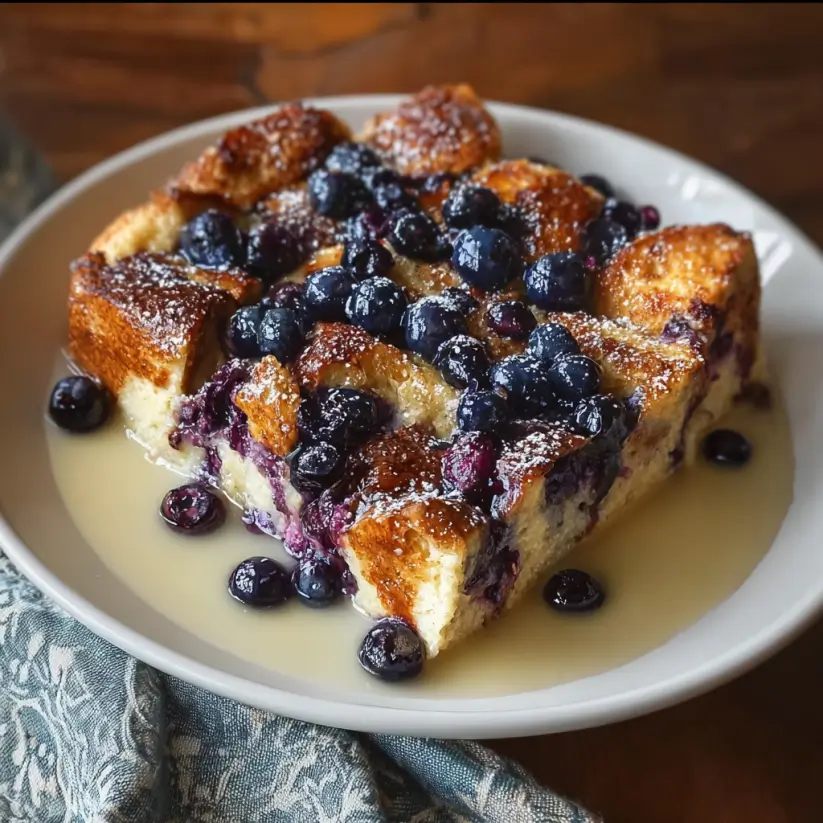
This slow cooking allows the flavors to develop and the vegetables to become tender.

If you’re busy, this is the perfect time to tackle other tasks or relax.

The aroma wafting through your home will be irresistible!

Step 5: Add Peas Before Serving

About 15 minutes before you’re ready to serve, stir in the frozen peas.

This adds a lovely burst of color and sweetness to the dish.

Let them heat through, and then it’s time to dish out your hearty casserole.

Garnish with fresh parsley for a touch of brightness.

Enjoy the satisfaction of a meal that’s both comforting and delicious!

Tips for Success

  • Prep your ingredients the night before to save time in the morning.
  • Don’t skip browning the sausage; it adds a depth of flavor that’s hard to beat.
  • Feel free to mix and match vegetables based on what you have on hand.
  • For a thicker casserole, reduce the chicken broth slightly.
  • Always taste and adjust seasoning before serving for the best flavor.

Equipment Needed

  • Slow cooker: Essential for this recipe; a Dutch oven can work too if you prefer stovetop cooking.
  • Large skillet: For browning the sausage and sautéing the vegetables; a non-stick pan makes cleanup easier.
  • Wooden spoon: Perfect for stirring and breaking up the sausage.
  • Cutting board and knife: For chopping your veggies with ease.

Variations

  • Spicy Kick: Add a pinch of red pepper flakes or use hot Italian sausage for an extra kick.
  • Vegetarian Delight: Swap the sausage for plant-based sausage or chickpeas for a hearty vegetarian option.
  • Root Vegetable Medley: Incorporate sweet potatoes or parsnips for a different flavor profile and added nutrition.
  • Herb Infusion: Experiment with fresh herbs like basil or rosemary for a fragrant twist.
  • Cheesy Goodness: Stir in some shredded cheese, like mozzarella or Parmesan, during the last 30 minutes of cooking for a creamy texture.

Serving Suggestions

  • Crusty Bread: Serve with a side of warm, crusty bread for dipping and soaking up the delicious sauce.
  • Salad: Pair with a fresh green salad dressed in a light vinaigrette for a refreshing contrast.
  • Wine: Enjoy with a glass of red wine, like Chianti, to complement the flavors.
  • Presentation: Garnish with extra parsley and serve in individual bowls for a cozy, inviting look.

FAQs about Hearty Slow-Cooked Sausage and Vegetable Casserole

Can I use different types of sausage in this casserole?

Absolutely! You can swap the Italian sausage for turkey sausage or even a plant-based option. Each choice will bring its unique flavor to the Hearty Slow-Cooked Sausage and Vegetable Casserole.

How can I make this casserole spicier?

If you’re looking for a kick, consider using hot Italian sausage or adding a pinch of red pepper flakes. Both options will elevate the heat in your dish!

Can I prepare this casserole in advance?

Yes! You can prep the ingredients the night before and store them in the fridge. Just combine everything in the slow cooker in the morning for a hassle-free dinner.

What can I serve with this casserole?

This Hearty Slow-Cooked Sausage and Vegetable Casserole pairs wonderfully with crusty bread or a fresh green salad. A glass of red wine also complements the flavors beautifully.

How do I store leftovers?

Store any leftovers in an airtight container in the fridge for up to three days. Reheat in the microwave or on the stovetop, adding a splash of broth if needed to keep it moist.

Final Thoughts

Cooking the Hearty Slow-Cooked Sausage and Vegetable Casserole is more than just preparing a meal; it’s about creating a moment of joy.

As the aromas fill your kitchen, you’ll feel a sense of comfort and satisfaction.

This dish brings family and friends together, sparking conversations and laughter around the table.

With its rich flavors and hearty ingredients, it’s a recipe that warms the soul.

So, whether it’s a busy weeknight or a cozy weekend, this casserole is your go-to for a fulfilling meal that everyone will love.

Enjoy every bite!

Ranis

Hearty Slow-Cooked Sausage and Vegetable Casserole Delights!

A hearty and flavorful slow-cooked casserole featuring Italian sausage and a variety of vegetables, perfect for a comforting meal.
Prep Time 15 minutes
Servings: 6 servings
Course: Main Dish
Cuisine: Italian
Calories: 320

Ingredients
  

  • 2 tablespoons olive oil
  • 1 pound Italian sausage mild or spicy, your choice
  • 1 medium onion diced
  • 2 cloves garlic minced
  • 2 medium carrots sliced
  • 2 celery stalks sliced
  • 1 red bell pepper chopped
  • 1 zucchini chopped
  • 1 can 14.5 ounces diced tomatoes, undrained
  • 1 cup chicken broth
  • 1 teaspoon dried oregano
  • 1 teaspoon dried thyme
  • 1 teaspoon paprika
  • Salt and pepper to taste
  • 1 cup frozen peas
  • Fresh parsley chopped (for garnish)

Method
 

  1. In a large skillet, heat the olive oil over medium heat. Add the Italian sausage and cook until browned, breaking it apart with a spoon, about 5-7 minutes. Transfer the sausage to a slow cooker.
  2. In the same skillet, add the onion and garlic. Sauté for 2-3 minutes until the onion is translucent. Add the carrots, celery, red bell pepper, and zucchini. Cook for another 5 minutes, then transfer the vegetables to the slow cooker.
  3. Pour in the diced tomatoes and chicken broth. Stir in the oregano, thyme, paprika, salt, and pepper. Mix everything well.
  4. Cover the slow cooker and cook on low for 6-8 hours or on high for 3-4 hours, until the vegetables are tender and the flavors meld together.
  5. About 15 minutes before serving, stir in the frozen peas and let them heat through.
  6. Serve hot, garnished with fresh parsley.

Nutrition

Serving: 1servingCalories: 320kcalCarbohydrates: 12gProtein: 20gFat: 22gSaturated Fat: 8gPolyunsaturated Fat: 14gCholesterol: 70mgSodium: 800mgFiber: 3gSugar: 4g

Notes

  • For a heartier dish, add 1 cup of cooked quinoa or rice during the last hour of cooking.
  • Substitute the Italian sausage with turkey sausage or plant-based sausage for a lighter or vegetarian option.

Tried this recipe?

Let us know how it was!