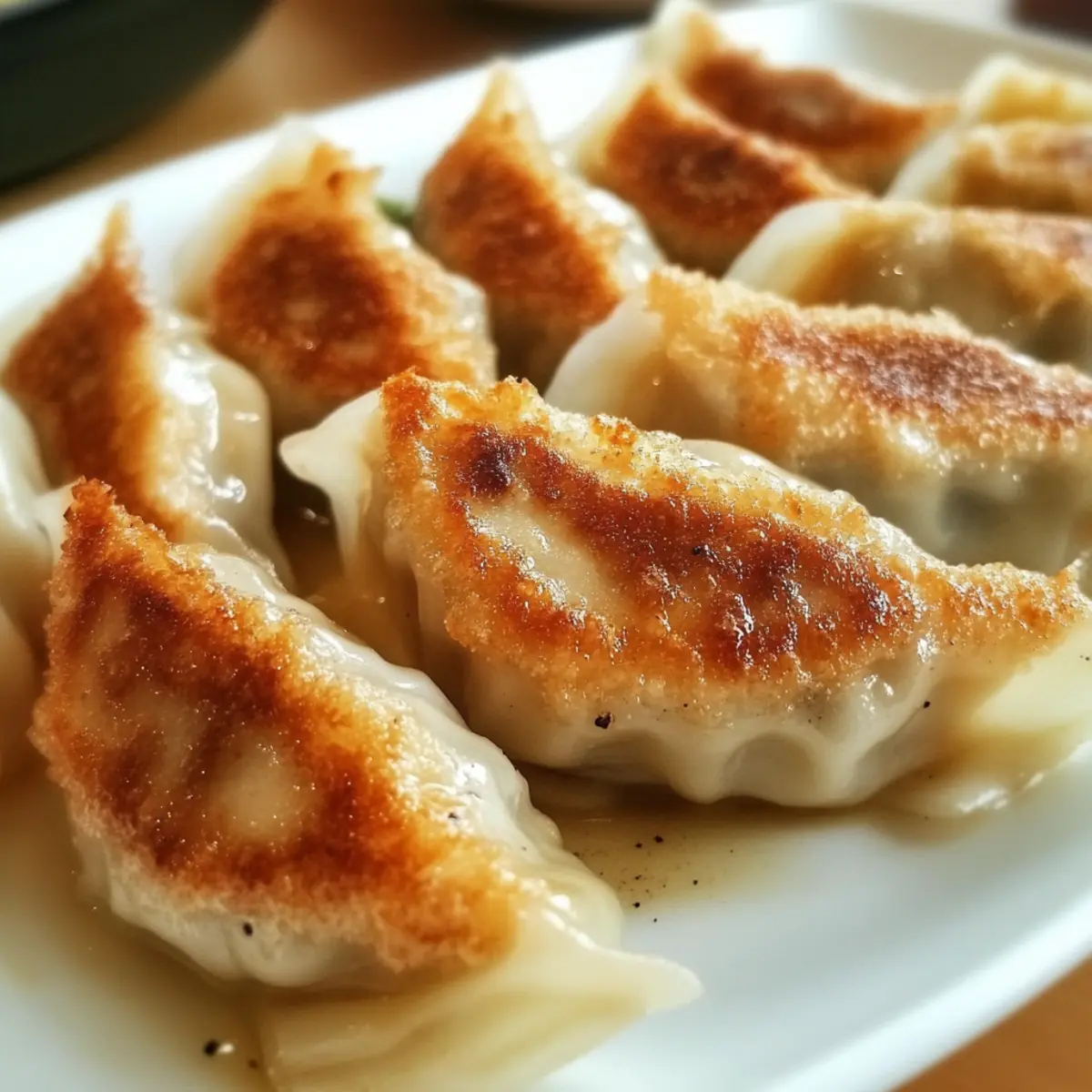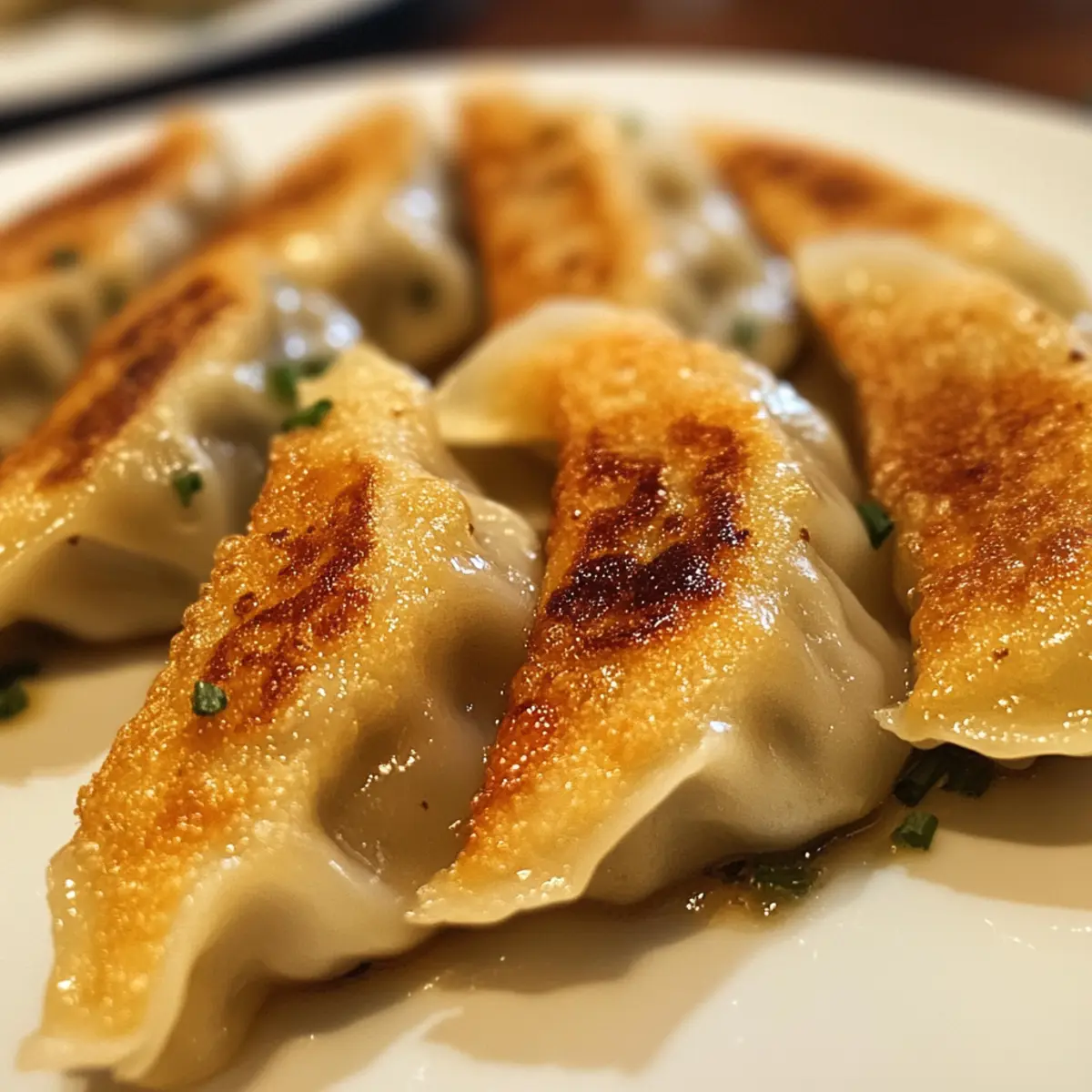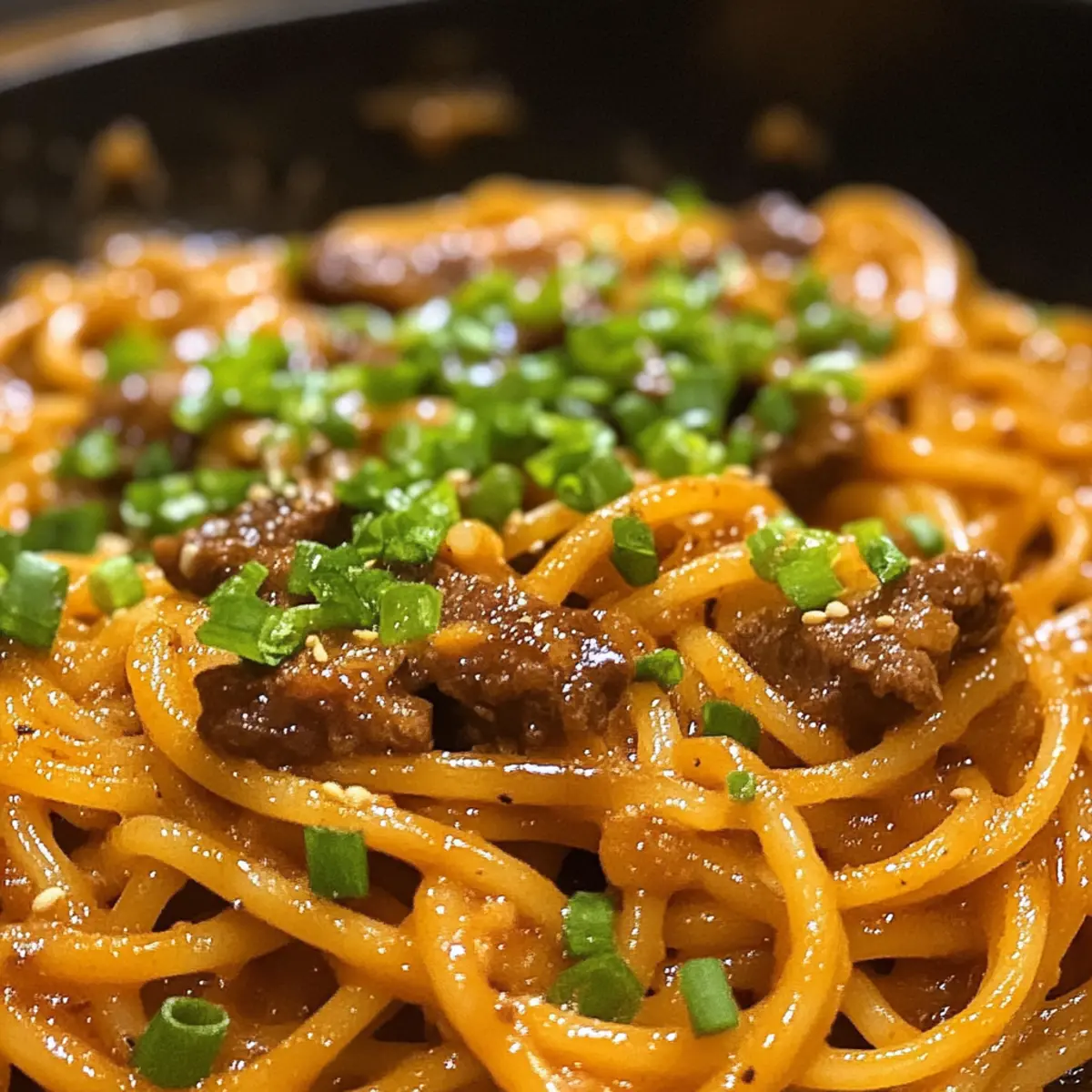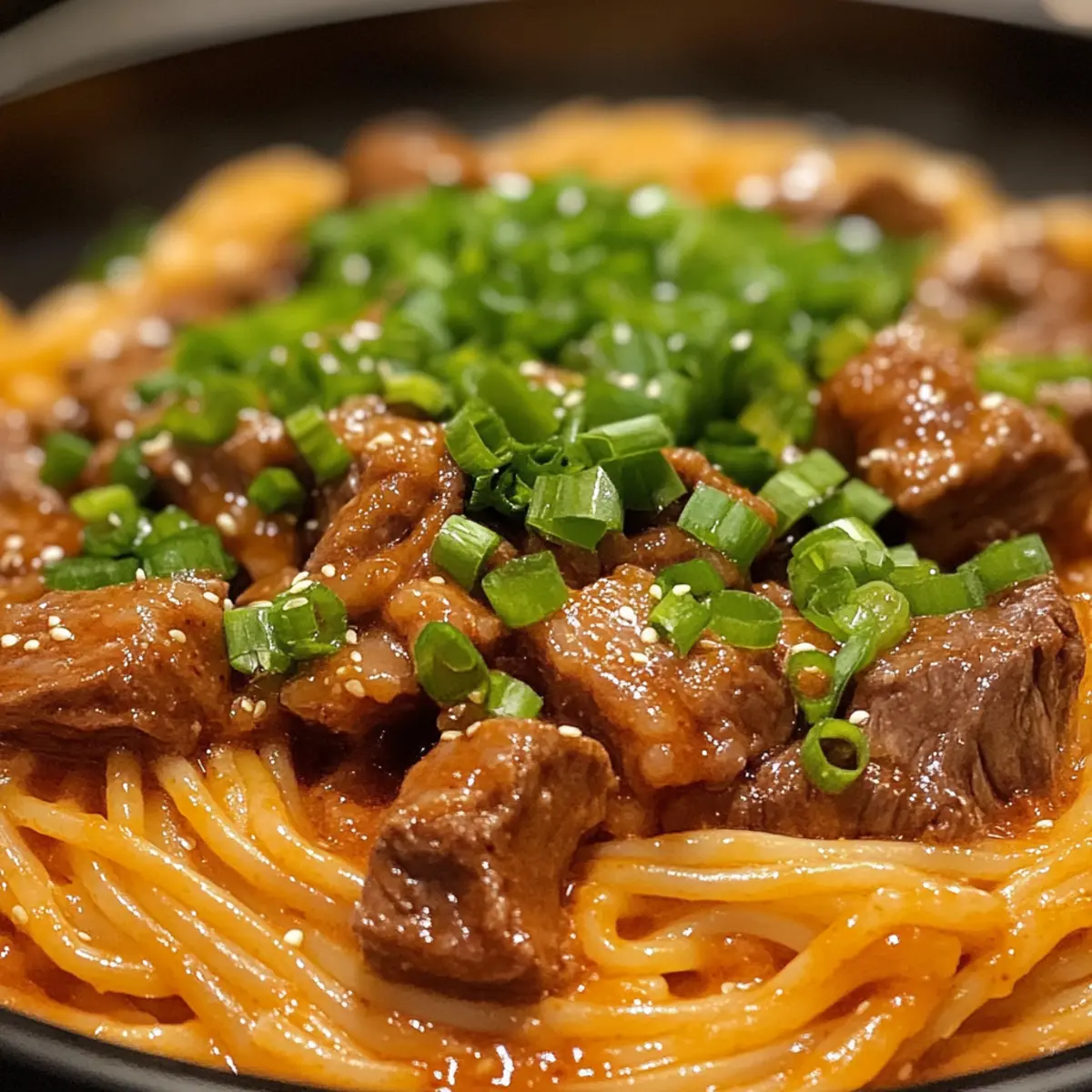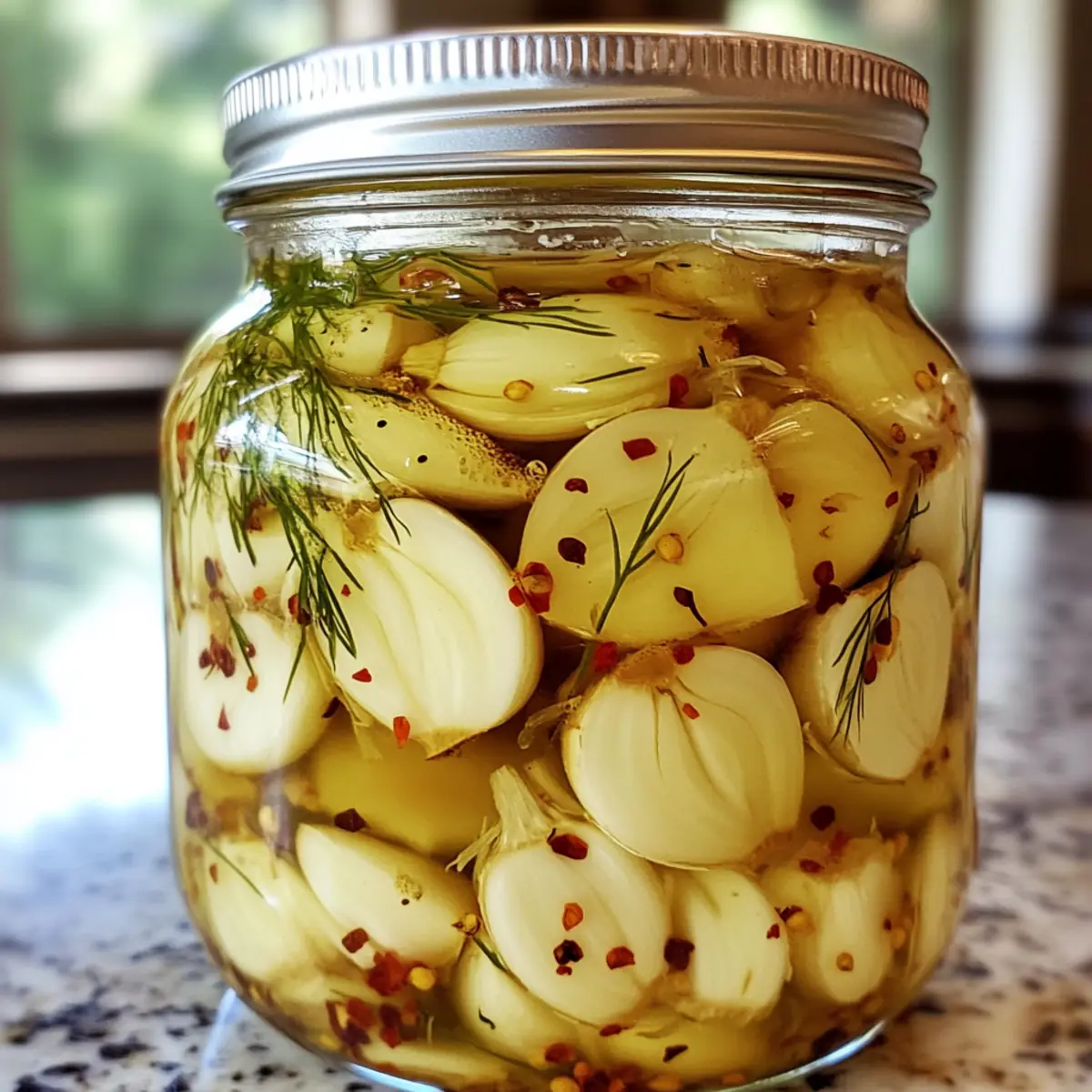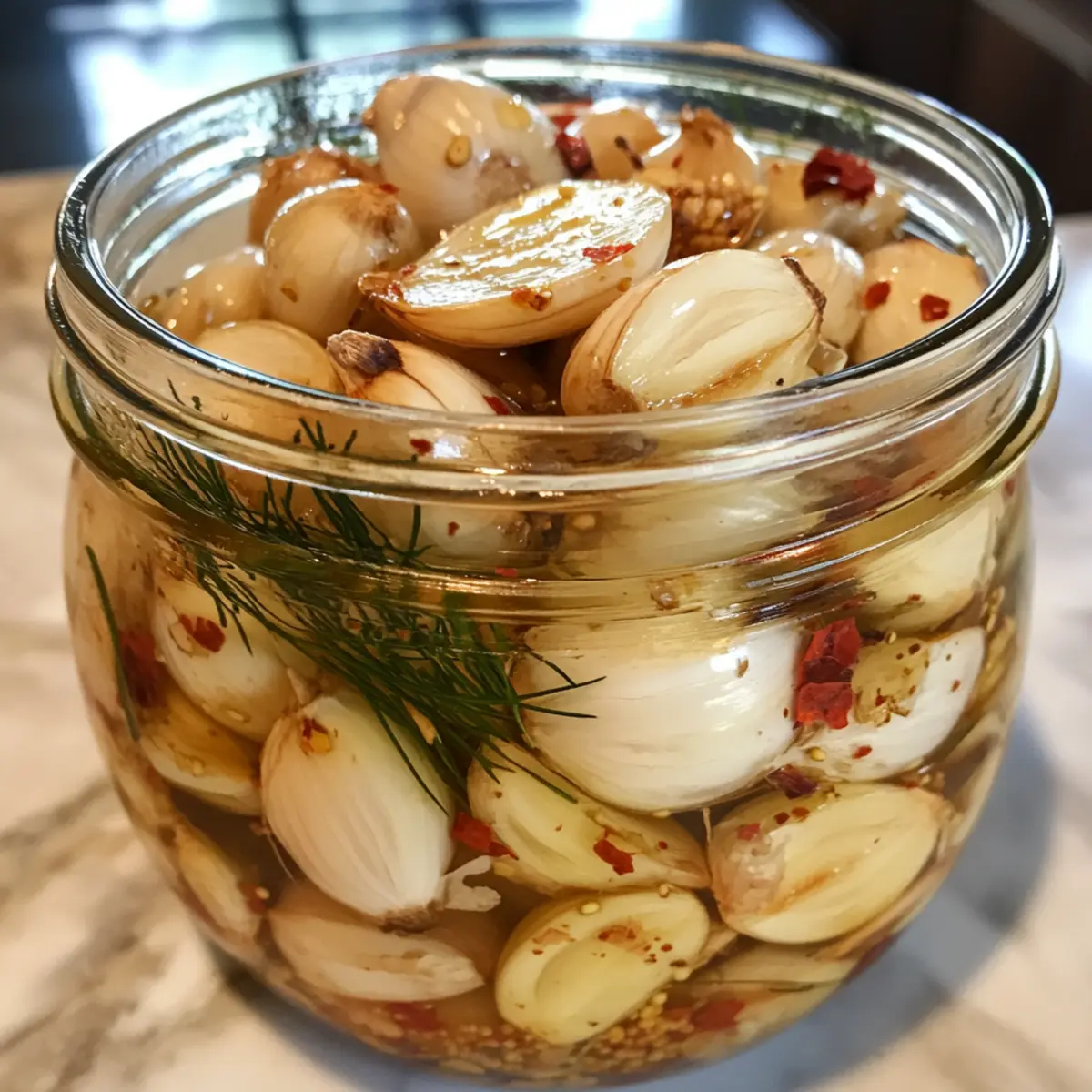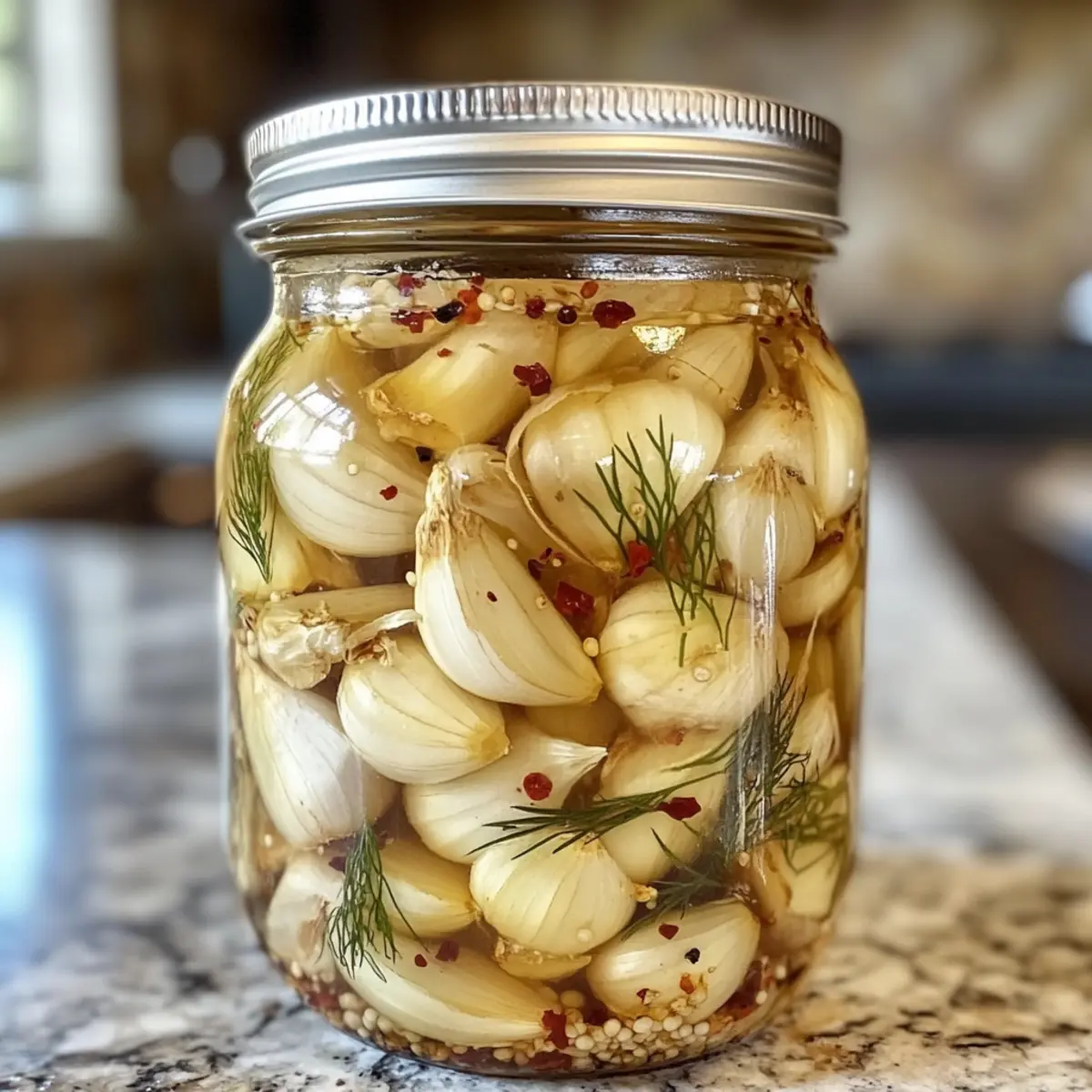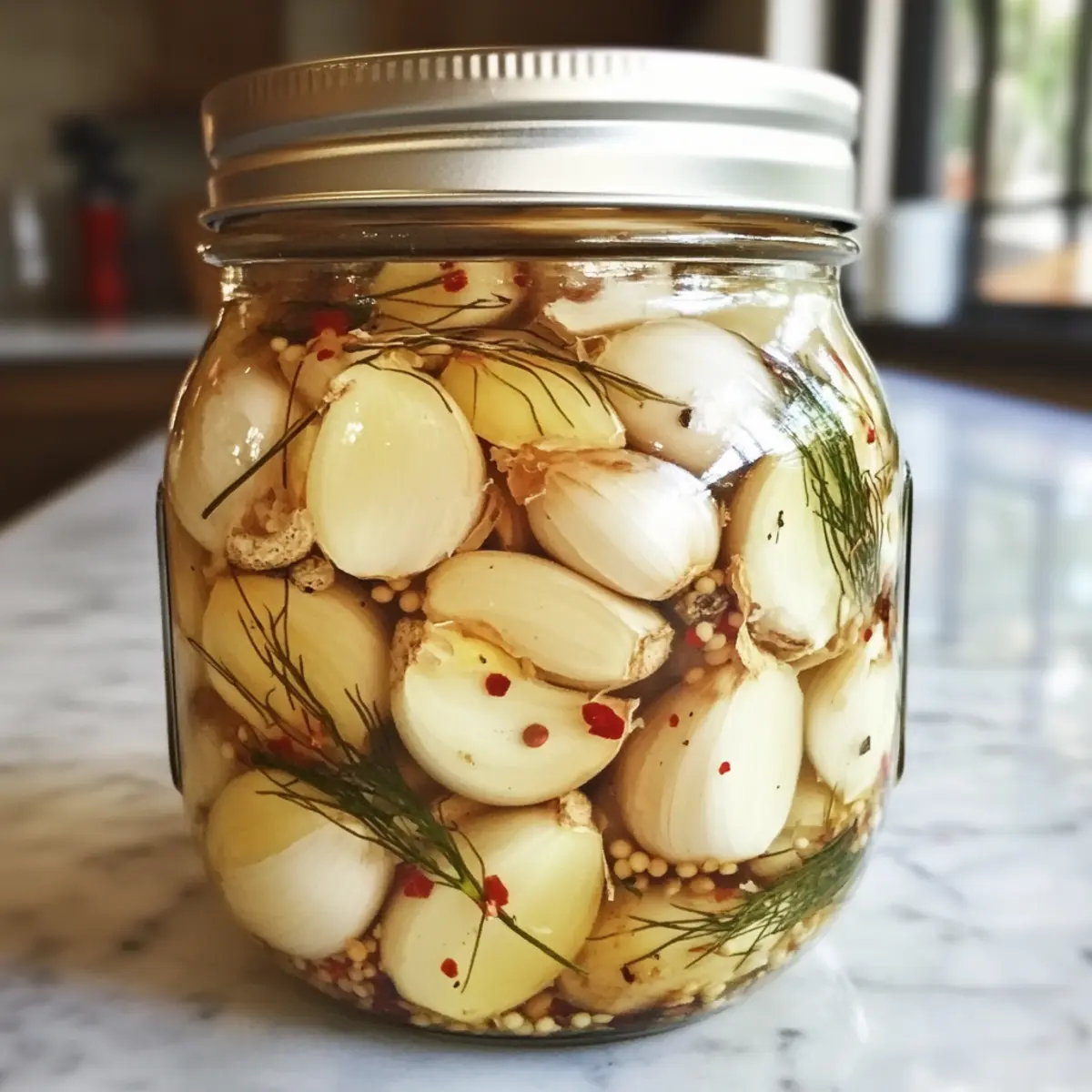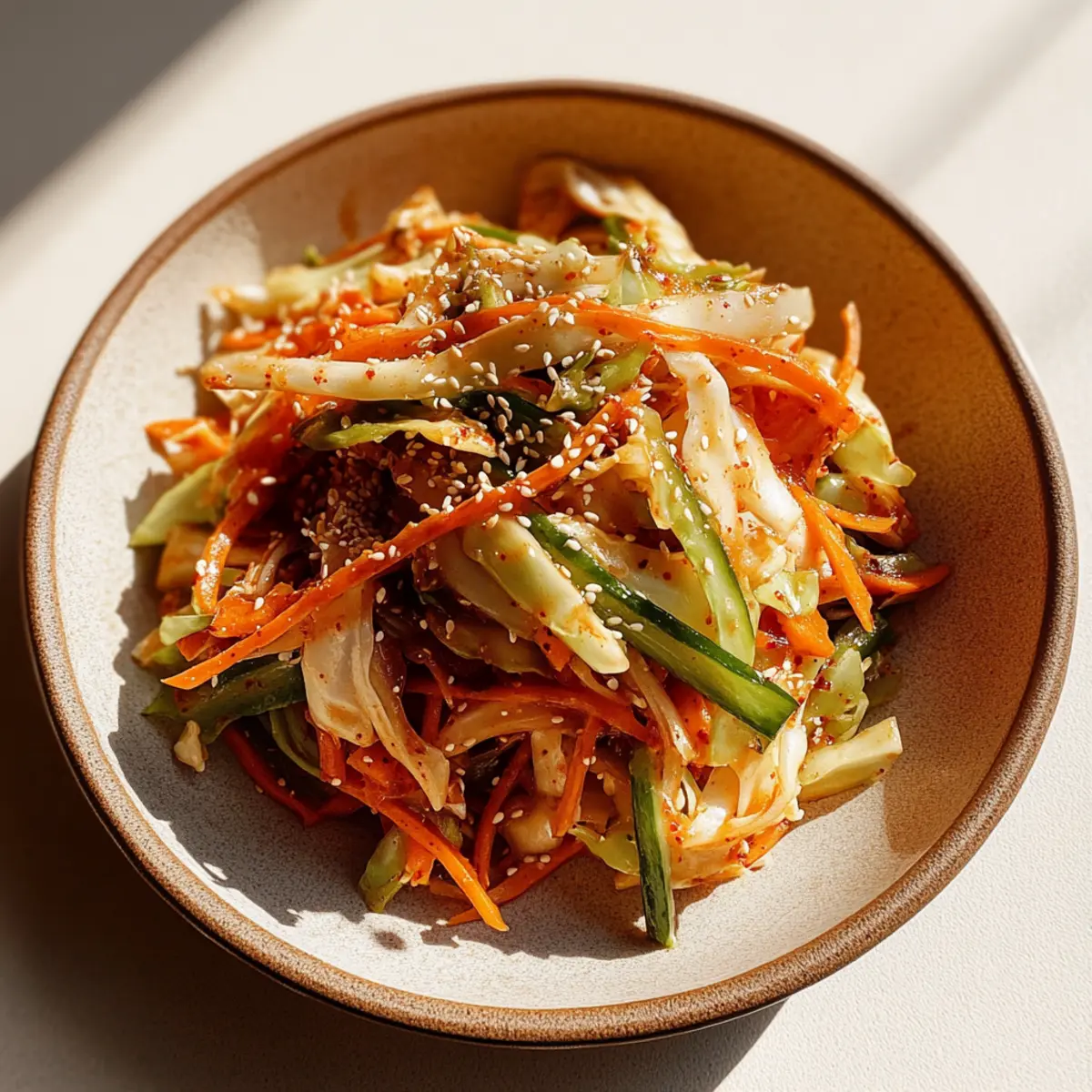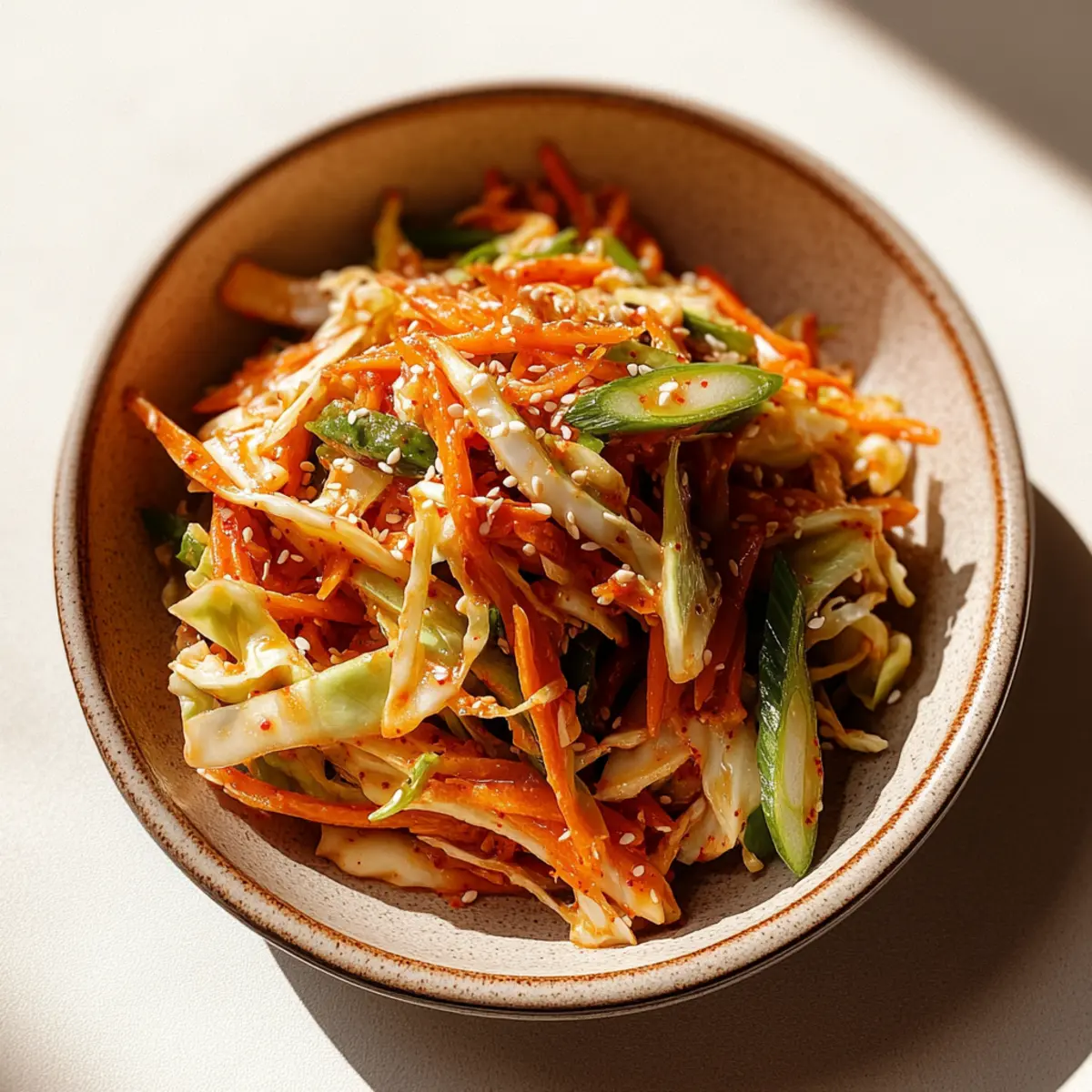
Marinated Mushrooms: Flavor-Packed Keto Delight for Any Occasion

As I stood in my kitchen, the aroma of fresh herbs wafting around me, I realized there’s a certain magic that happens when simplicity meets flavor—especially with these marinated mushrooms. This keto appetizer not only provides a delightful burst of zest but is also an incredibly easy recipe to whip up for any occasion. They’re perfect for snacking on their own or elevating your cheese platter. The best part? These low-carb delights will keep your cravings at bay without sacrificing taste. Are you ready to discover how such a humble ingredient can transform into a flavor-packed bite that leaves everyone wanting more? Let’s dive in!
Why Are Marinated Mushrooms So Irresistible?

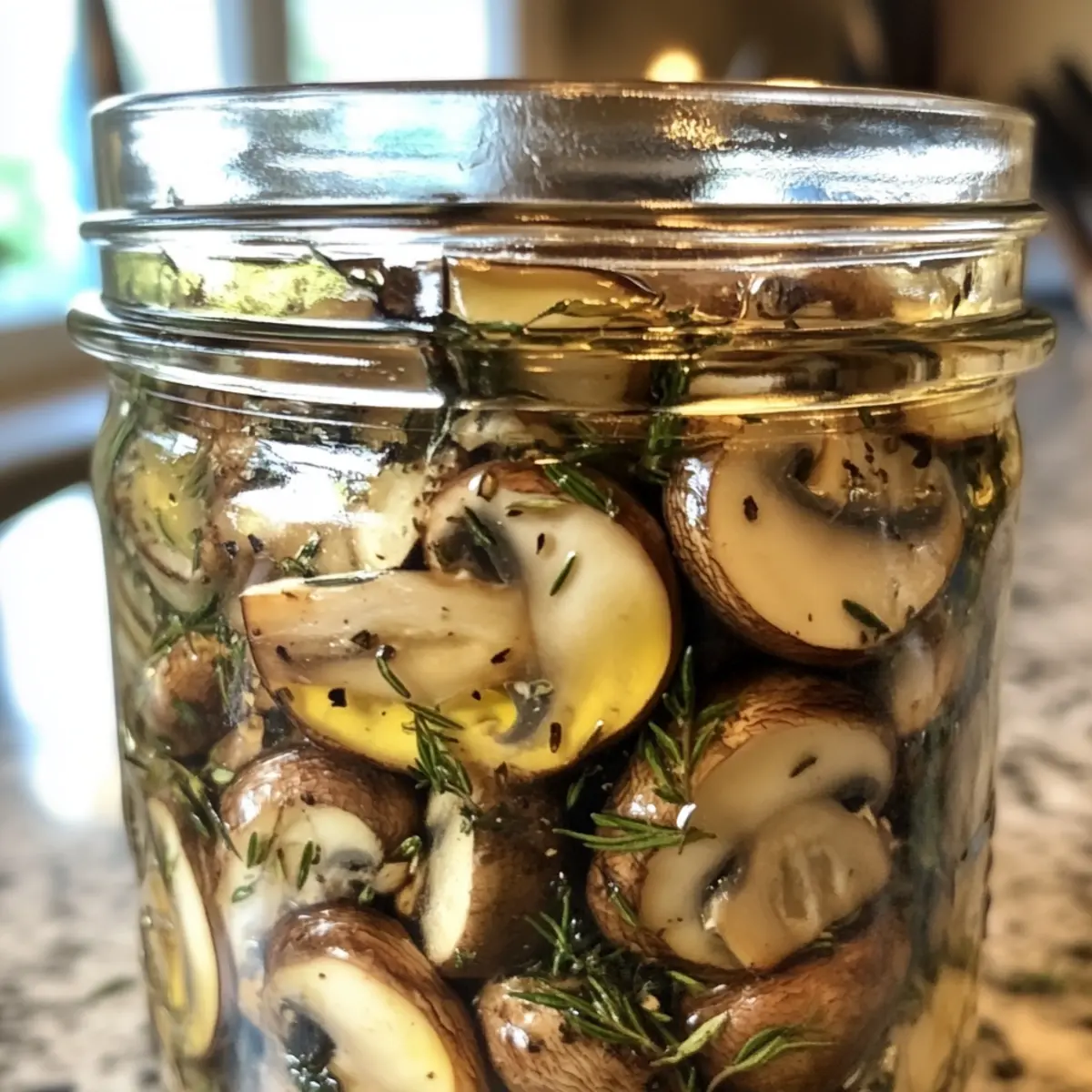
Simplicity makes this recipe a breeze to create! With only a few ingredients, you can have a vibrant dish that’s ready in no time. Versatile by nature, these marinated mushrooms can be a standalone snack or a perfect accompaniment to grilled meats. Flavor explosion is guaranteed, thanks to the combination of fresh herbs and olive oil that create an irresistible taste. Keto-friendly and low-carb, they fit perfectly into your dietary needs without compromising flavor. Plus, they’re a fantastic make-ahead option—prepare them in advance for gatherings, and let the flavors meld overnight. Get ready for compliments on this delightful appetizer!

Marinated Mushrooms Ingredients

• Perfect for your next keto appetizer!

For the Marinade

  • Baby Bella Mushrooms – Adds a rich, earthy flavor; any similar low-carb mushroom can be used.
  • White Wine Vinegar – Brightens the mushrooms’ flavor; regular white vinegar works in a pinch.
  • Olive Oil – Provides healthy fats and enhances texture; substitute with avocado oil if necessary.
  • Garlic – Infuses aromatic flavor; fresh garlic is best, but dried can suffice.
  • Fresh Parsley – Offers fresh herb notes; use dried parsley sparingly if fresh isn’t available.
  • Shallot – Adds a mild onion flavor; you can substitute with onion if shallots are not on hand.
  • Fresh Lemon Thyme – Introduces citrusy herb notes; regular thyme can be used as a substitute.
  • Dried Oregano – Enhances flavor depth; Italian seasoning provides a nice alternative.
  • Ground Pepper – Adds a pleasant heat; fresh ground pepper yields the best flavor.
  • Salt – Balances all flavors; preferred choice is kosher salt.

Feel free to gather all these ingredients and unleash the delightful flavors of these marinated mushrooms—your guests won’t know what hit them!

Step‑by‑Step Instructions for Marinated Mushrooms

Step 1: Prepare Mushrooms
Begin by placing your fresh baby bella mushrooms into a large pot, ensuring they are just covered with cool water. This helps to clean them gently without compromising their texture. Using a damp cloth to wipe off any dirt beforehand also works wonders.

Step 2: Add Vinegar & Boil
Stir in ½ cup of white wine vinegar, then turn the heat to high and cover the pot. Bring the mixture to a vigorous boil, and after about 5 minutes, remove the lid to allow the mushrooms to fully soak up the acidic tang. Look for the mushrooms to soften slightly while maintaining their shape.

Step 3: Drain
Carefully drain the mushrooms in a fine mesh strainer, allowing excess water to escape. Once drained, transfer the mushrooms to a large, heat-safe mason jar. This will be their home as they absorb all the delicious flavors from the marinade.

Step 4: Mix Marinade
In a medium bowl, combine the remaining ingredients: ¼ cup of olive oil, minced garlic, chopped parsley, diced shallot, fresh lemon thyme, dried oregano, ground pepper, and salt. Whisk vigorously until the mixture is well-blended and aromatic, creating a colorful marinade for your marinated mushrooms.

Step 5: Combine & Seal
Pour the vibrant marinade over the hot mushrooms in the jar, ensuring they are fully submerged. Seal the jar tightly with its lid, then give it a gentle shake to ensure every mushroom is coated evenly with the flavorful concoction.

Step 6: Cool & Refrigerate
Let the jar of marinated mushrooms cool to room temperature for about 30 minutes. Once cooled, place the jar in the refrigerator and allow it to chill for up to a week. Remember to give the jar a gentle shake every couple of days to help distribute the marinade evenly, intensifying the flavors of this delightful keto appetizer.
Make Ahead Options

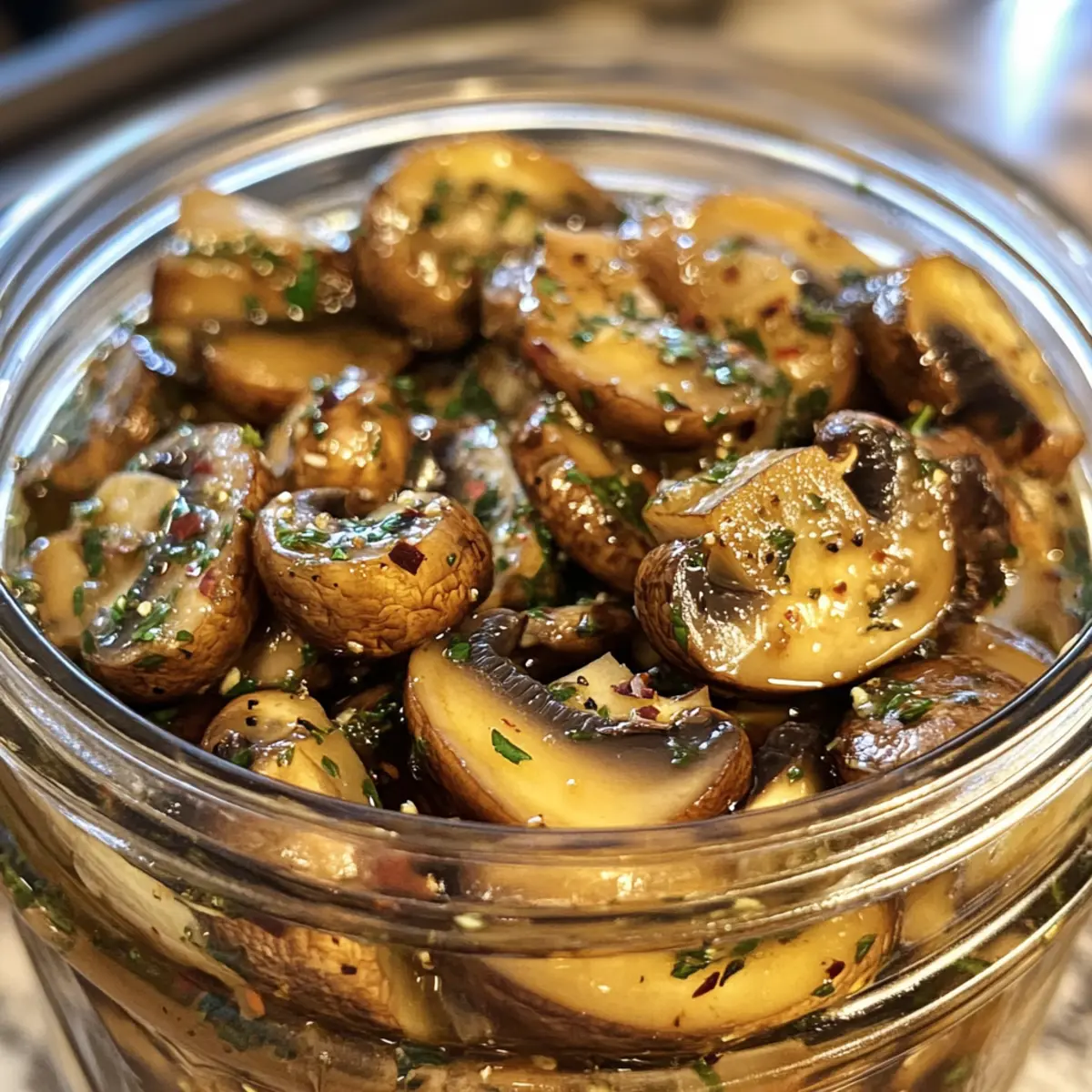
These marinated mushrooms are ideal for meal prep! You can prepare them up to 3 days in advance, allowing the flavors to meld beautifully overnight for the best taste. Simply clean the baby bella mushrooms and follow the steps to boil and drain them. After that, mix your marinade and pour it over the mushrooms in a mason jar. Seal it tightly and refrigerate, making sure to give it a gentle shake every couple of days to maintain even flavor distribution. When you’re ready to serve, simply pull them out of the fridge for a delightful, tangy keto appetizer that’s just as delicious as if you made them fresh that day!

How to Store and Freeze Marinated Mushrooms

Fridge: Store your marinated mushrooms in an airtight container in the refrigerator for up to a week to maintain their vibrant flavor and texture.

Freezer: Avoid freezing the marinated mushrooms, as they do not freeze well and can lose their delightful texture when thawed.

Reheating: These mushrooms are best enjoyed cold or at room temperature. Simply remove them from the fridge and let them sit for a few minutes before serving.

Flavor Development: The longer the marinated mushrooms sit in the fridge, the more intense their flavors become. Enjoy them at their peak for a truly fabulous keto appetizer!

What to Serve with Keto Marinated Mushrooms

These delightful marinated mushrooms elevate any meal, creating the perfect centerpiece for a well-rounded dining experience.

  • Creamy Mashed Cauliflower: This rich, velvety mash offers a wonderful contrast to the tangy mushrooms while keeping your meal low-carb. Its buttery flavor envelops the palate, inviting each bite to shine.

  • Zesty Greek Salad: Fresh cucumbers, ripe tomatoes, and feta cheese tossed in a lemony dressing pair beautifully with the mushrooms, adding bright, refreshing notes to the dish. The crunch and acidity of the salad will awaken your taste buds!

  • Grilled Chicken Skewers: Marinated grilled chicken provides a protein-packed companion that mirrors the flavors of the mushrooms. The smoky grill adds a delightful char that balances the acidity of the marinade.

  • Cauliflower Rice: This light, fluffy side is a fantastic, low-carb alternative to traditional rice. Infused with herbs, it’s the perfect canvas to soak up the marinade’s delicious juices.

  • Herbed Goat Cheese Crostini: Lightly toasted bread topped with creamy goat cheese complements the texture of the mushrooms, adding a luxurious touch. A drizzle of balsamic glaze on top will elevate this delightful combination!

  • Chilled White Wine Spritzer: A refreshing beverage choice, this spritzer brings out the flavors in the mushrooms while providing a crisp contrast. The effervescence keeps everything feeling light and invigorating.

Bring these pairings together for a memorable meal that highlights their unique flavors, creating a dining experience your family will rave about!

Marinated Mushrooms: Flavorful Variations

Feel free to get creative and personalize your marinated mushrooms with these delightful ideas!

  • Dairy-Free: Use a splash of coconut aminos instead of soy sauce for a sweeter twist that pairs perfectly with the earthy mushrooms.
  • Spicy Kick: Sprinkle in red pepper flakes or a touch of cayenne pepper to the marinade to elevate your mushrooms with a fiery touch. Experiencing that heat along with the savory marinade creates a perfect appetizer for spice enthusiasts!
  • Nutty Flavor: Add toasted pine nuts or walnuts to the mix for a rich crunch that adds a new dimension to the mushrooms. This crunchiness can transform your dish into a stunning centerpiece!
  • Citrusy Notes: Swap in orange or lime juice for part of the vinegar; the citrus pairs beautifully with the earthiness of the mushrooms, bringing a refreshing twist. Imagine that burst of flavor dancing on your palate!
  • Herb Variations: Experiment with herbs like basil or dill, which lend a different aromatic experience while retaining the classic charm of your dish. Each herb brings its unique character that can completely change the flavor profile of the marinade.
  • Add Veggies: Toss in sliced bell peppers or zucchini to the marinade for extra color and flavor. This not only enhances the visual appeal but also adds vibrant tastes that meld beautifully with the mushrooms.
  • Savory Umami: Incorporate some Worcestershire sauce for an umami boost; it deepens the mushroom flavor and elevates the overall taste experience. Every bite is packed with savory goodness!
  • Sweet Twist: For a hint of sweetness, drizzle a teaspoon of honey or maple syrup into the marinade. This pairs perfectly with the tang of vinegar and offers a lovely balance of flavors.

Curious about how you can incorporate these variations into your meals? Dive deeper into flavor exploration with a few freshly grilled meats or a beautiful cheese board that can complement your marinated mushrooms perfectly!

Expert Tips for Marinated Mushrooms

  • Flavor Infusion: Allow the marinated mushrooms to sit for at least a few hours, ideally overnight, to fully absorb the marinade flavors.

  • Storage Wisdom: Store your marinated mushrooms in an airtight jar in the refrigerator. Avoid freezing, as it can affect their texture and taste.

  • Mushroom Care: Clean mushrooms by wiping them with a damp cloth; soaking them in water can compromise their texture and flavor.

  • Herb Substitutions: If you’re out of fresh herbs, use dried sparingly; remember that dried herbs are more potent, so adjust accordingly.

  • Marinade Variations: Feel free to experiment! Adding red pepper flakes can give these marinated mushrooms a delightful kick, perfect for spice lovers.

  • Serving Suggestions: These tasty marinated mushrooms shine on their own as snacks, but also pair beautifully with grilled meats or as part of an elegant cheese platter.
Marinated Mushrooms Recipe FAQs

How do I choose the best mushrooms for marinating?
Absolutely! For the best flavor, look for firm, fresh baby bella mushrooms with no dark spots or slime. If you can find them, choose smaller-sized mushrooms as they’ll absorb the marinade better. Ideally, they should feel smooth and have a vibrant color—this indicates they are fresh!

What is the best way to store marinated mushrooms?
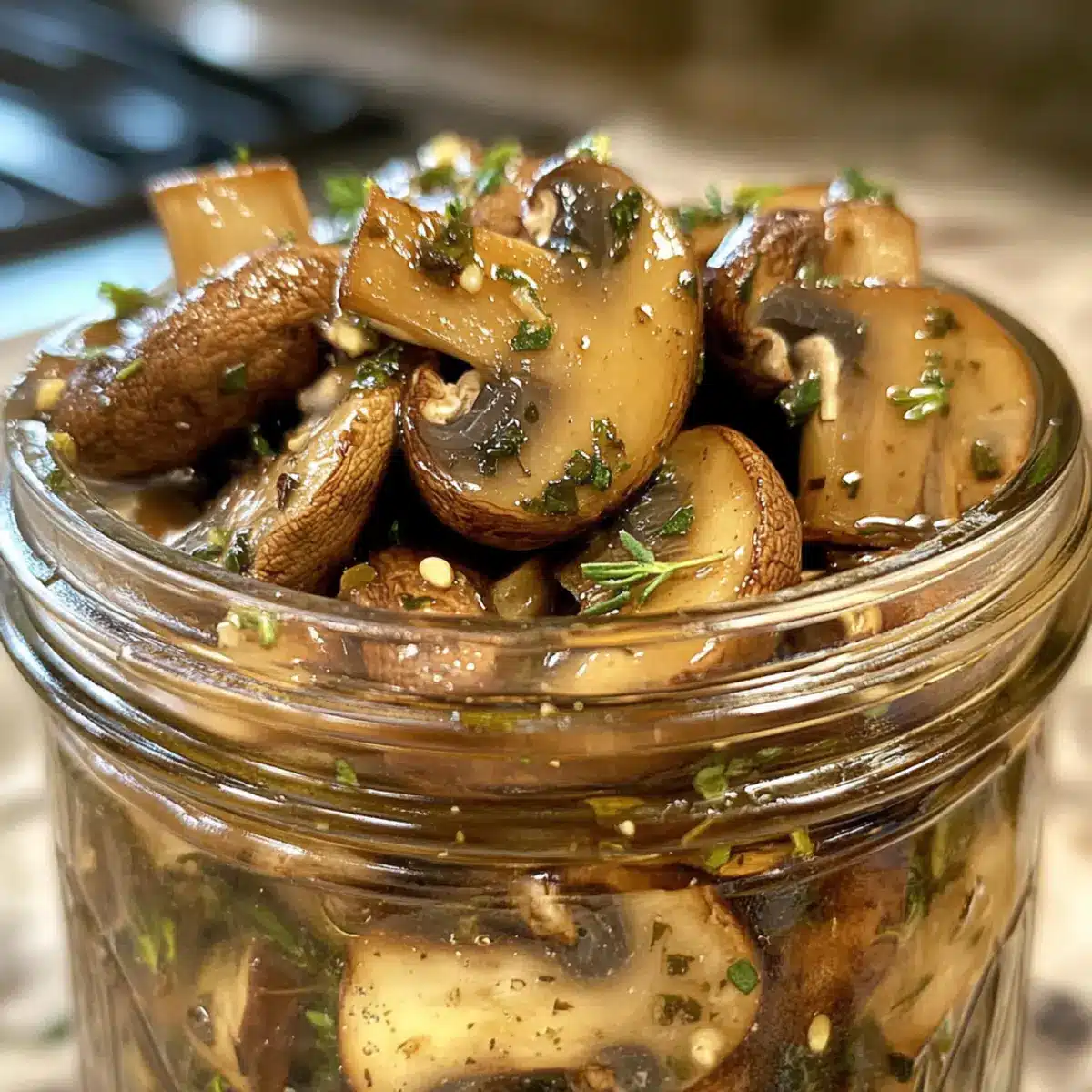
Very! After preparing your marinated mushrooms, store them in an airtight container in the refrigerator. They’ll stay fresh for up to a week. Just remember to shake the jar occasionally—it helps redistributes the flavorful marinade and keeps all your mushrooms evenly coated!

Can I freeze marinated mushrooms for later use?
No, it’s best to avoid freezing marinated mushrooms. Unfortunately, the freezing process can make them mushy and ruin their delightful texture. They are best enjoyed fresh after marinating, ideally within a week for peak flavor.

What should I do if my mushrooms are slimy or have dark spots?
If you encounter any slimy or dark-spotted mushrooms, it’s a sign they may be past their prime. I recommend avoiding them, as they won’t have the best flavor or texture for your keto marinated mushrooms. A trusted sign of freshness is a clean and firm exterior. It’s always better to choose quality ingredients!

Are marinated mushrooms safe for pets?
It’s best to be cautious! While mushrooms themselves can generally be safe for pets, the marinade may contain ingredients like garlic and onion, which can be harmful to dogs and cats. Always double-check your ingredients, and it’s best to keep this flavorful keto appetizer just for your enjoyment!

How long should I let the mushrooms marinate for the best flavor?
For the full flavor experience, I recommend letting them marinate for at least a few hours, ideally overnight in the refrigerator. This allows the mushrooms to soak up all those delightful herbs and spices, making each bite a burst of incredible flavor! The longer they sit, the more they will develop depth and richness. Enjoy!
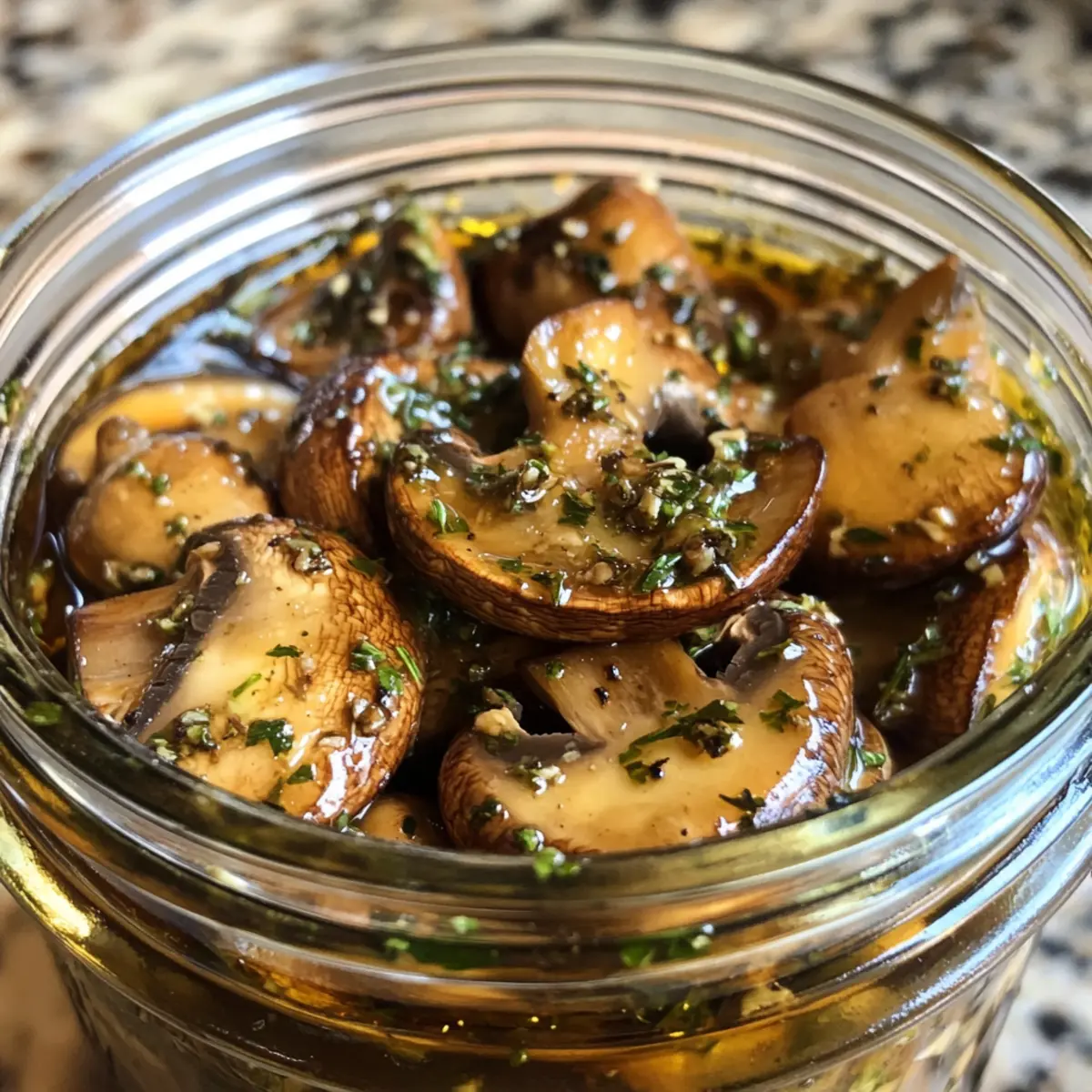
Marinated Mushrooms

Marinated Mushrooms: Flavor-Packed Keto Delight for Any Occasion

Delightful marinated mushrooms packed with flavor, perfect for keto diets and appetizers.
Prep Time 10 minutes
Cook Time 5 minutes
Cooling Time 30 minutes
Total Time 45 minutes
Servings: 4 servings
Course: Appetizer
Cuisine: Keto
Calories: 70

Ingredients
  

Marinade Ingredients
  • 8 oz Baby Bella Mushrooms Any similar low-carb mushroom can be used.
  • ½ cup White Wine Vinegar Regular white vinegar works in a pinch.
  • ¼ cup Olive Oil Substitute with avocado oil if necessary.
  • 3 cloves Garlic Fresh garlic is best, but dried can suffice.
  • ¼ cup Fresh Parsley Use dried parsley sparingly if fresh isn’t available.
  • 1 small Shallot Substitute with onion if shallots are not on hand.
  • 1 tsp Fresh Lemon Thyme Regular thyme can be used as a substitute.
  • 1 tsp Dried Oregano Italian seasoning provides a nice alternative.
  • ¼ tsp Ground Pepper Fresh ground pepper yields the best flavor.
  • 1 tsp Salt Preferred choice is kosher salt.

Equipment

  • large pot
  • Fine mesh strainer
  • Mason Jar
  • Medium Bowl

Method
 

Step-by-Step Instructions
  1. Prepare Mushrooms: Place fresh baby bella mushrooms into a large pot, covering them with cool water to clean gently.
  2. Add Vinegar & Boil: Stir in ½ cup of white wine vinegar, cover, and bring to a vigorous boil for about 5 minutes.
  3. Drain: Pour mushrooms into a fine mesh strainer to drain excess water, then transfer them to a large mason jar.
  4. Mix Marinade: In a medium bowl, combine olive oil, minced garlic, chopped parsley, diced shallot, lemon thyme, oregano, ground pepper, and salt. Whisk until blended.
  5. Combine & Seal: Pour marinade over hot mushrooms in the jar, seal tightly, and shake gently to coat evenly.
  6. Cool & Refrigerate: Let cool to room temperature for about 30 minutes, then refrigerate for up to a week.
Nutrition

Serving: 1servingCalories: 70kcalCarbohydrates: 2gProtein: 1gFat: 7gSaturated Fat: 1gPolyunsaturated Fat: 0.5gMonounsaturated Fat: 5gSodium: 240mgPotassium: 300mgFiber: 1gSugar: 1gVitamin C: 1mgCalcium: 15mgIron: 0.5mg

Notes

Allow marinated mushrooms to sit for at least a few hours, ideally overnight, for best flavor. Store in an airtight container and avoid freezing. Enjoy cold or at room temperature.

Tried this recipe?

Let us know how it was!

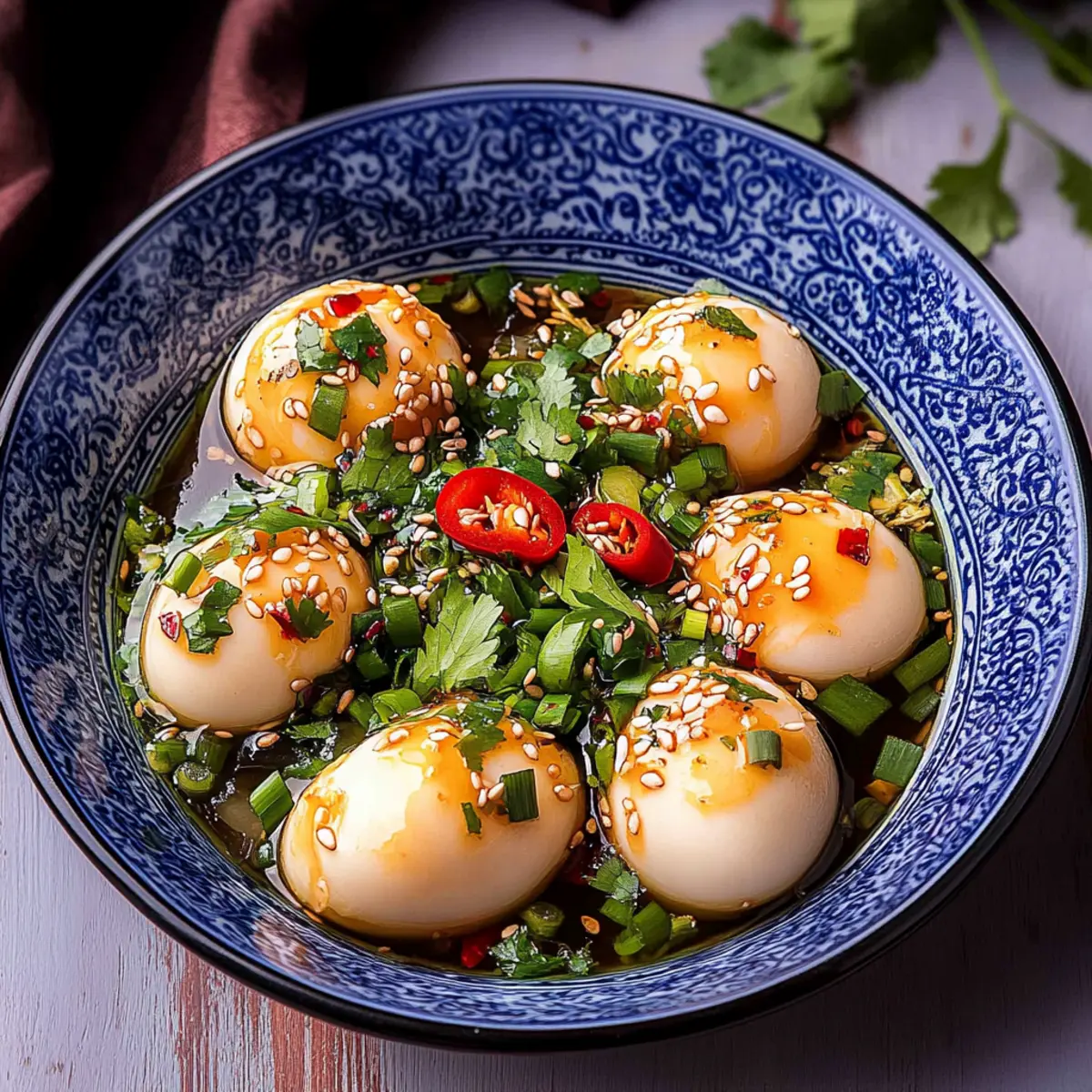
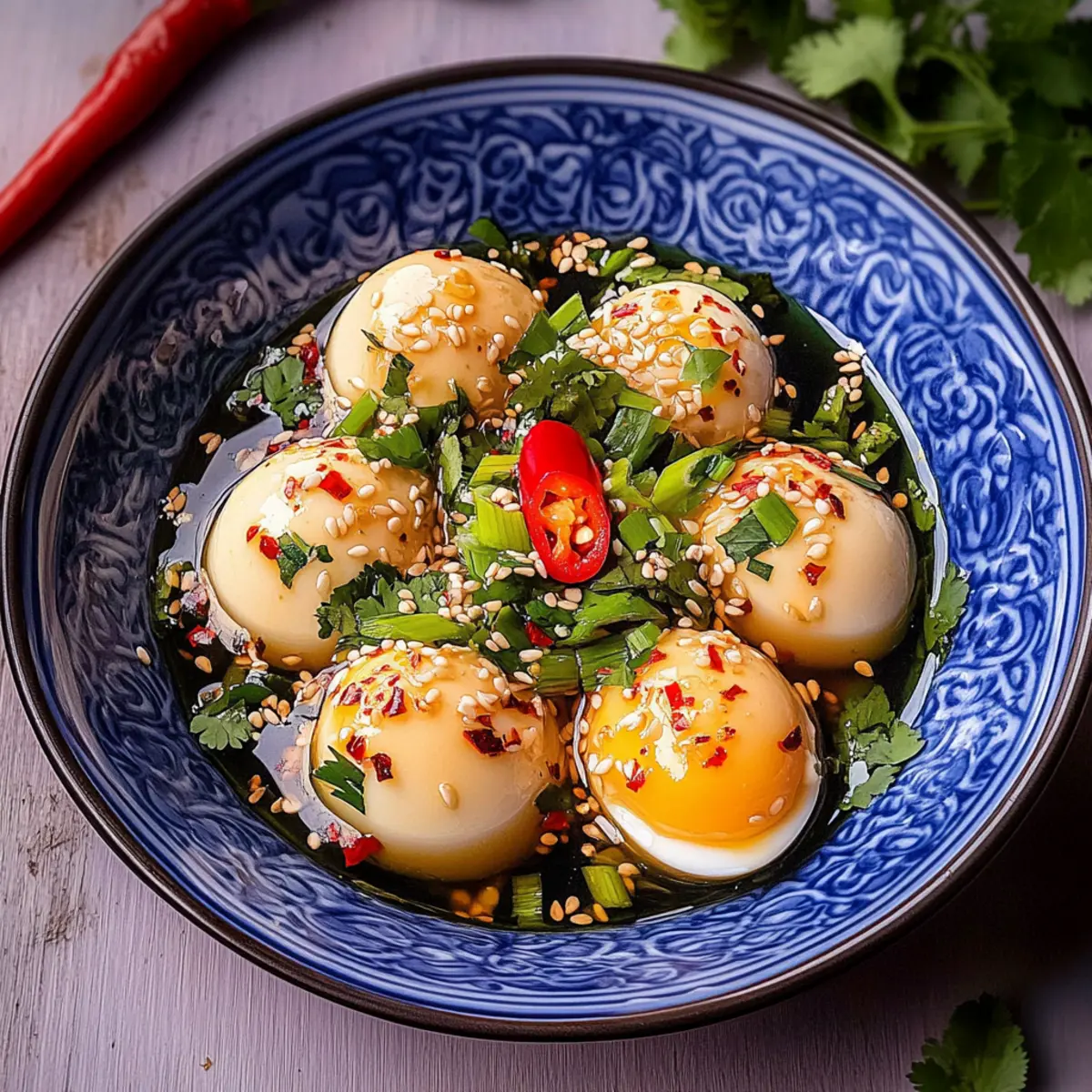
Flavor-Packed Marinated Eggs for Your Next Snack Attack

Every bite of these Asian soy-based marinated eggs feels like a savory adventure, instantly transforming traditional hard-boiled classics into something extraordinary. With just a few simple ingredients, this recipe elevates everyday eggs into a zesty, flavor-packed experience that delights your taste buds. Not only are these marinated eggs gluten-free and low-fat, but they also shine in their versatility—ideal for a quick breakfast, a delightful addition to your lunch box, or a savory appetizer for your next gathering. Ready in only a couple of hours, these eggs promise a satisfying treat that’s bursting with personality. What’s your favorite way to enjoy marinated eggs? Let’s dive into this flavorful world and find out!

Why Are Marinated Eggs So Irresistible?

Bold flavors come together in these delightful marinated eggs, making them a true standout. Quick preparation means that you can whip them up in just a few hours! Versatile treats shine whether served as a snack or elevated in salads or rice dishes. Nutritious and satisfying, each bite contains a fantastic mix of protein and flavor without the guilt. Plus, these marinated eggs are an exciting option for gluten-free eaters and anyone seeking a healthier alternative to fast food. Whether you want to impress guests or enjoy a meal for yourself, these eggs are sure to please!

Marinated Eggs Ingredients

For the Marinade
Soy Sauce – The main flavor enhancer; adjust quantity based on your taste buds.
Balsamic Vinegar – Adds a tangy twist; try Chinese dark vinegar for a stronger flavor.
Sugar – Balances the saltiness; white sugar is best, but honey can work too.
Water – Dilutes the marinade; modify the amount based on your preferred saltiness.
Garlic – Infuses depth and aroma; fresh garlic is recommended for the best taste.
Fresh Chili – Optional for heat; adjust according to your spice preference.

For the Eggs
Eggs – The star of the dish; older eggs are easier to peel than fresh ones.

For Adding Freshness
Spring Onion – Provides crunch and freshness; substitute with chives if necessary.
Coriander – Adds a bright herbal note; replace with parsley if you’re in a pinch.

For the Crunch
Toasted Sesame Seeds – Offers a nutty aroma and delightful crunch; use untoasted seeds if you’re in a bind.
Sesame Oil – Imparts richness; toasted sesame oil enhances the flavor even more.

Step‑by‑Step Instructions for Asian Soy-Based Marinated Eggs

Step 1: Prepare the Eggs
Start by gently placing the eggs in a pot and covering them with cold water, ensuring about an inch of liquid above. Add a teaspoon of salt and a touch of vinegar, then bring the water to a rolling boil over medium-high heat. Once boiling, lower the heat and let the eggs simmer for 10-15 minutes until the yolks are firm. Remove them from the pot and transfer the eggs into an ice water bath for 5 minutes to cool and ease the peeling process.

Step 2: Mix the Marinade
While the eggs cool, prepare the marinade in a bowl or container. Combine the minced garlic, sliced spring onion, optional fresh chili, chopped coriander, soy sauce, sugar, balsamic vinegar, toasted sesame seeds, sesame oil, and water. Stir vigorously until the sugar is completely dissolved, and the mixture is well combined. Give it a taste and adjust the seasoning if necessary, ensuring a perfectly balanced flavor for your marinated eggs.

Step 3: Marinate the Eggs
Once the eggs are cool, carefully peel them, keeping the whites intact. For added infusion of flavor, you can slice the eggs in half if desired. Gently place the peeled eggs in the marinade, ensuring they are fully submerged. Cover the container tightly to prevent leakage and refrigerate for at least 2 hours; however, overnight is recommended for maximum flavor depth. The longer they marinate, the richer the taste of these delicious marinated eggs.

Step 4: Serve and Enjoy
After the marinating period, your Asian soy-based marinated eggs are ready to shine! Remove them from the marinade and slice them in half for presentation. Serve the marinated eggs as a savory snack, on top of rice, or as part of a vibrant salad. The smooth, rich egg whites and flavorful yolks will create a delightful experience that elevates your meals and impresses your family and friends.

Marinated Eggs: Customization Ideas

Feel free to get creative and personalize your marinated eggs to suit your taste preferences and dietary needs!

  • Dairy-Free:
    Use coconut aminos instead of soy sauce for a soy-free, dairy-free option that adds a hint of sweetness.

  • Low-Sodium:
    Try using low-sodium soy sauce to reduce the salt content while still enjoying all that rich flavor.

  • Vegan Twist:
    Swap in tofu for a plant-based option! Marinate firm tofu cubes in the same sauce for a hearty snack.

  • Herb Infusion:
    Experiment with fresh herbs like dill or cilantro for a burst of freshness that complements the soy sauce beautifully.

  • Heat Level Up:
    Add slices of jalapeño or a splash of sriracha to the marinade for a spicy kick that warms your taste buds.

  • Fruit Fusion:
    Combine in some citrus zest, like lemon or orange, for a unique, zesty twist that brings brightness to the marinade.

  • Texture Boost:
    Include a handful of thinly sliced radishes or cucumbers in the marinade for added crunch and nutrition that pairs nicely with the eggs.

For even more inspiration, consider serving them alongside some fragrant oatmeal or a simple Asian-style salad for a complete meal experience!

What to Serve with Asian Soy-Based Marinated Eggs

Elevate your dining experience by pairing these marinated eggs with delightful accompaniments that enhance their savory profile.

  • Fragrant Jasmine Rice: A fluffy bed of jasmine rice absorbs the rich marinade, creating a comforting experience that complements the eggs perfectly.
  • Crispy Asian Salad: Combine fresh greens, grated carrots, and crunchy peanuts tossed in a light sesame dressing for a vibrant contrast to the savory eggs.
  • Spicy Kimchi: The fermented tang of kimchi adds a zesty kick, enhancing the flavor fusion and providing a delightful crunch with every bite.
  • Soy-Glazed Chicken: Marrying these marinated eggs with tender, soy-glazed chicken brings harmony to your meal, enhancing the umami flavors found in both. It’s a match made for family dinners!
  • Refreshing Cold Noodle Salad: Serve your marinated eggs alongside chilled noodles nestled in a soy and sesame dressing for a dish that’s rich in flavor yet light on the palate.
  • Szechuan Garlic Green Beans: These vibrant green beans, stir-fried with garlic and spices, add a satisfying crunch that beautifully complements the egg’s silky texture.
  • Chilled Cucumber Raita: The cooling effect of cucumber raita tempers the marinated eggs’ richness while adding a refreshing touch, making it an excellent pairing.
  • Sweet Mango Dessert: Finish with a sweet mango dessert, offering a delightful fruity contrast that rounds off the savory journey of marinated eggs.

With these pairings, your Asian soy-based marinated eggs will shine as the star of a well-rounded and satisfying meal!

How to Store and Freeze Marinated Eggs

  • Fridge: Store the marinated eggs in an airtight container for up to 4-5 days. They’ll stay fresh and flavorful, perfect for a quick snack or meal addition.
  • Freezer: It’s recommended not to freeze marinated eggs, as freezing can alter their texture, making them watery and rubbery upon thawing.
  • Reheating: Enjoy them cold straight from the fridge, or gently warm them in a microwave for 10-15 seconds if desired, ensuring they don’t become overcooked.
  • Serving Tips: For best flavor, always marinate the eggs longer, preferably overnight. This allows the soy sauce and balsamic vinegar to fully penetrate the egg whites and yolks.

Expert Tips for Marinated Eggs

  • Choose Older Eggs: Using slightly older eggs can make peeling them much easier, delivering clean, perfect whites for marinating.
  • Balance the Flavor: Before adding the eggs to the marinade, taste it and adjust sugar or soy sauce to ensure it suits your palate perfectly.
  • Marinate Overnight: For optimal flavor absorption, let your marinated eggs sit overnight in the refrigerator. You’ll be amazed at the difference!
  • Avoid Overdoing Vinegar: Too much balsamic vinegar can alter the texture of the egg whites; limit to 1/2 tablespoon for the best results.
  • Customize Ingredients: Feel free to experiment with different herbs or spice levels to make your marinated eggs uniquely your own!

Make Ahead Options

These Asian soy-based marinated eggs are a fantastic choice for meal prep, saving you time on busy weeknights! You can prepare the marinade and hard-boil the eggs up to 24 hours in advance. Simply follow the instructions to cook and cool the eggs, then mix your marinade and refrigerate them together. Keep the eggs submerged in the marinade to ensure they soak up that incredible flavor. When you’re ready to serve, just remove the eggs from the marinade, slice them, and enjoy the savory delights! This prep-ahead step not only makes mealtime easier but also ensures your marinated eggs are just as delicious after a day or two in the fridge.

Asian Soy-Based Marinated Eggs Recipe FAQs

What kind of eggs should I use?
For the best results, I recommend using slightly older eggs as they are easier to peel. Fresh eggs tend to stick to their shells, which can make peeling more difficult and may result in uneven edges.

How long can I store marinated eggs in the fridge?
These marinated eggs can be stored in an airtight container in the fridge for up to 4-5 days. They’ll maintain their flavor and texture, making them perfect for quick snacks or meal additions throughout the week.

Can I freeze marinated eggs?
It’s best to avoid freezing marinated eggs. Freezing can alter their texture, making them watery and rubbery once thawed. Instead, I recommend enjoying them fresh or after a few days in the fridge.

How do I adjust the marinade for my taste?
Absolutely! To customize the marinade, taste it before adding the eggs. If you prefer it sweeter, add a bit more sugar or honey; if you like it saltier, a touch more soy sauce will enhance the flavor. Feel free to swap out or add ingredients like fresh herbs or chili for your desired flavor depth!

Can marinated eggs be served warm?
Yes! While they’re delicious cold, you can gently warm them in the microwave for about 10-15 seconds. Just be sure not to overcook them, as this may affect their texture.

Are marinated eggs suitable for everyone?
These Asian soy-based marinated eggs are generally gluten-free and low-fat. However, if you’re allergic to eggs, soy sauce, or other ingredients in the marinade, it’s best to find substitutions or consult your healthcare provider. Enjoy experimenting with variations that suit your dietary needs!

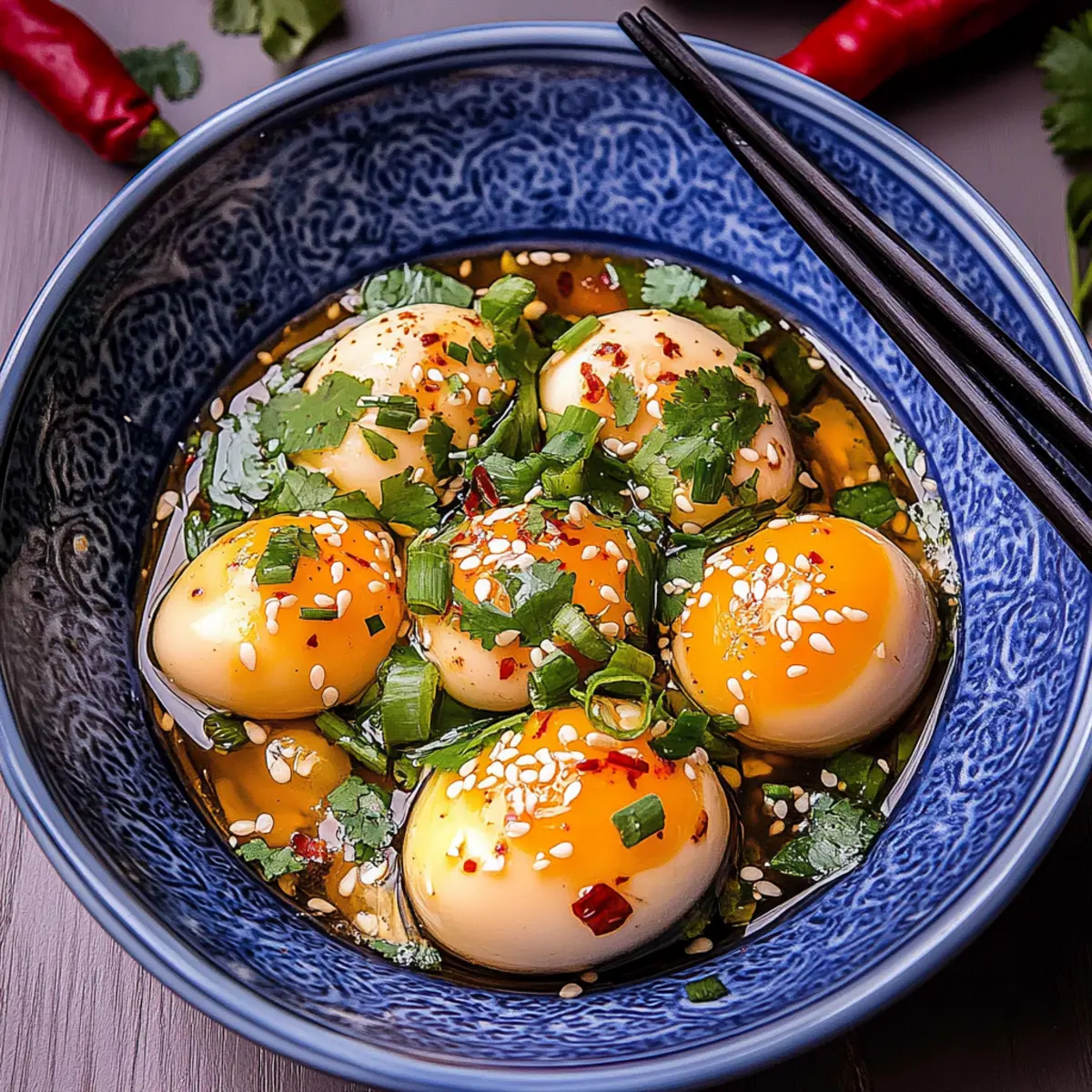
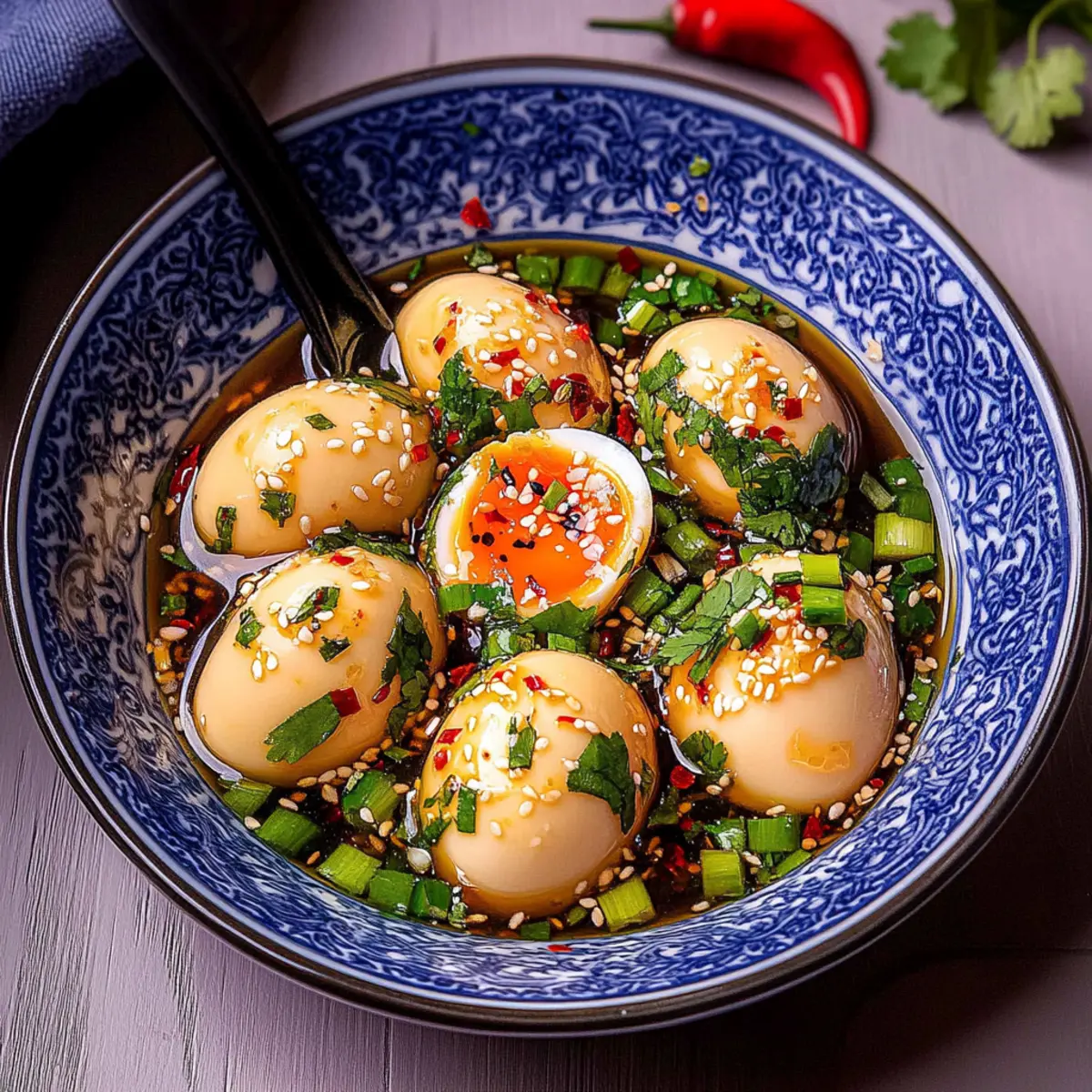
Marinated Eggs

Flavor-Packed Marinated Eggs for Your Next Snack Attack

Marinated Eggs transform traditional hard-boiled classics into a savory adventure.
Prep Time 15 minutes
Cook Time 15 minutes
Marinating Time 2 hours
Total Time 2 hours 30 minutes
Servings: 4 eggs
Course: Appetizer
Cuisine: Asian
Calories: 70

Ingredients
  

For the Marinade
  • 1/2 cup Soy Sauce adjust based on taste
  • 1 tbsp Balsamic Vinegar or Chinese dark vinegar
  • 1 tbsp Sugar white sugar recommended, honey can work too
  • 1/2 cup Water modify for preferred saltiness
  • 2 cloves Garlic minced, fresh recommended
  • 1 piece Fresh Chili optional, adjust to taste
For the Eggs
  • 4 whole Eggs older eggs preferred for easier peeling
For Adding Freshness
  • 2 stalks Spring Onion or substitute with chives
  • 1/4 cup Coriander or replace with parsley
For the Crunch
  • 2 tbsp Toasted Sesame Seeds use untoasted if necessary
  • 1 tbsp Sesame Oil toasted sesame oil enhances flavor

Equipment

  • pot
  • bowl
  • container

Method
 

Step-by-Step Instructions for Asian Soy-Based Marinated Eggs
  1. Start by gently placing the eggs in a pot and covering them with cold water, ensuring about an inch of liquid above. Add a teaspoon of salt and a touch of vinegar, then bring the water to a rolling boil over medium-high heat. Once boiling, lower the heat and let the eggs simmer for 10-15 minutes until the yolks are firm. Remove them from the pot and transfer the eggs into an ice water bath for 5 minutes to cool and ease the peeling process.
  2. While the eggs cool, prepare the marinade in a bowl or container. Combine the minced garlic, sliced spring onion, optional fresh chili, chopped coriander, soy sauce, sugar, balsamic vinegar, toasted sesame seeds, sesame oil, and water. Stir vigorously until the sugar is completely dissolved, adjusting the seasoning if necessary.
  3. Once the eggs are cool, carefully peel them, keeping the whites intact. You can slice the eggs in half for added flavor infusion. Gently place the peeled eggs in the marinade, ensuring they are fully submerged. Cover the container and refrigerate for at least 2 hours; overnight is recommended for maximum flavor.
  4. After marinating, remove the eggs from the marinade and slice them in half for presentation. Serve the marinated eggs as a savory snack, over rice, or in salads.

Nutrition

Serving: 1eggCalories: 70kcalCarbohydrates: 2gProtein: 6gFat: 5gSaturated Fat: 1gPolyunsaturated Fat: 0.5gMonounsaturated Fat: 2gCholesterol: 186mgSodium: 600mgPotassium: 63mgSugar: 1gVitamin A: 270IUVitamin C: 1mgCalcium: 50mgIron: 0.9mg

Notes

For optimal flavor absorption, let your marinated eggs sit overnight in the refrigerator.

Tried this recipe?

Let us know how it was!

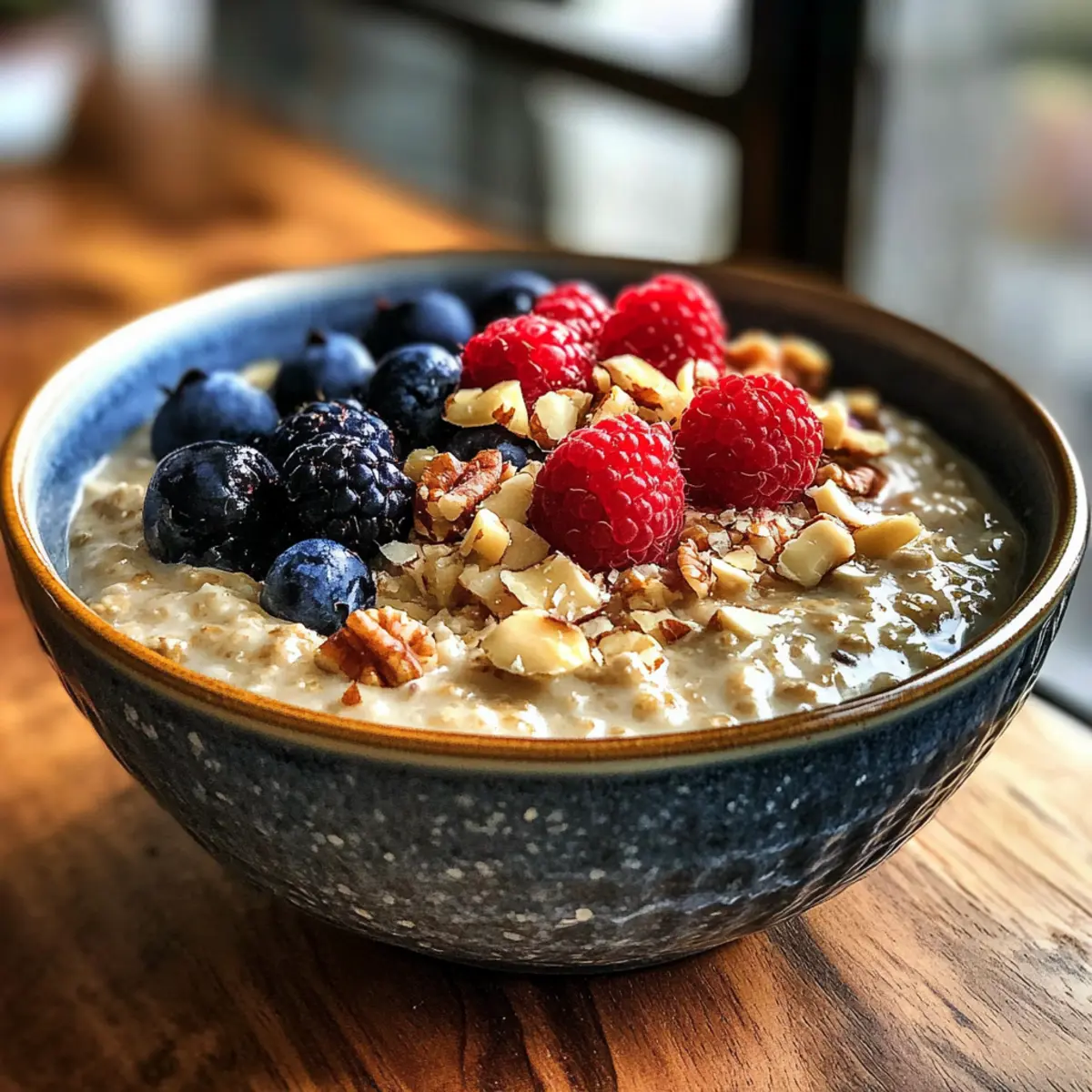
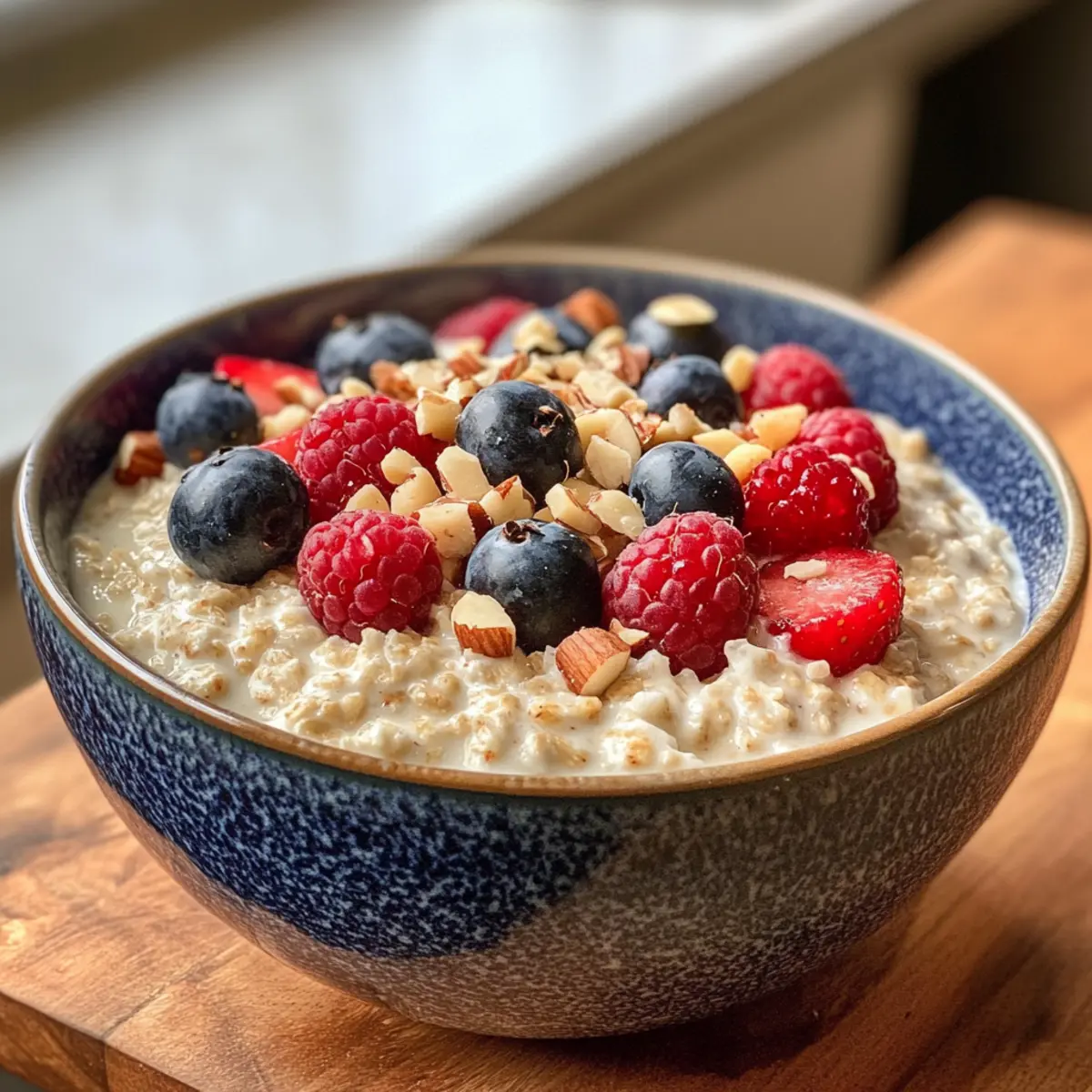
Delicious Tasty Coconut Cream Oats for a Nourishing Start

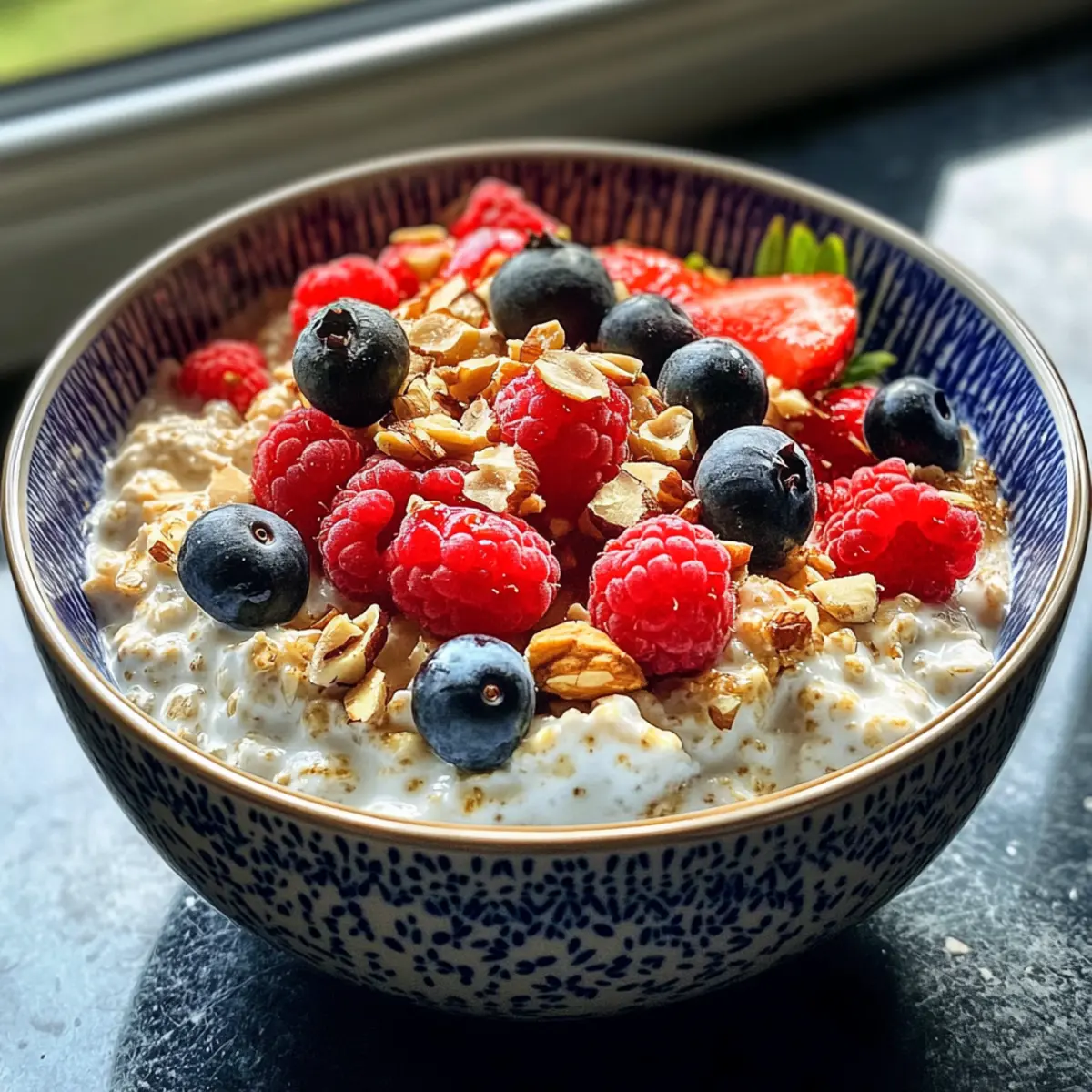
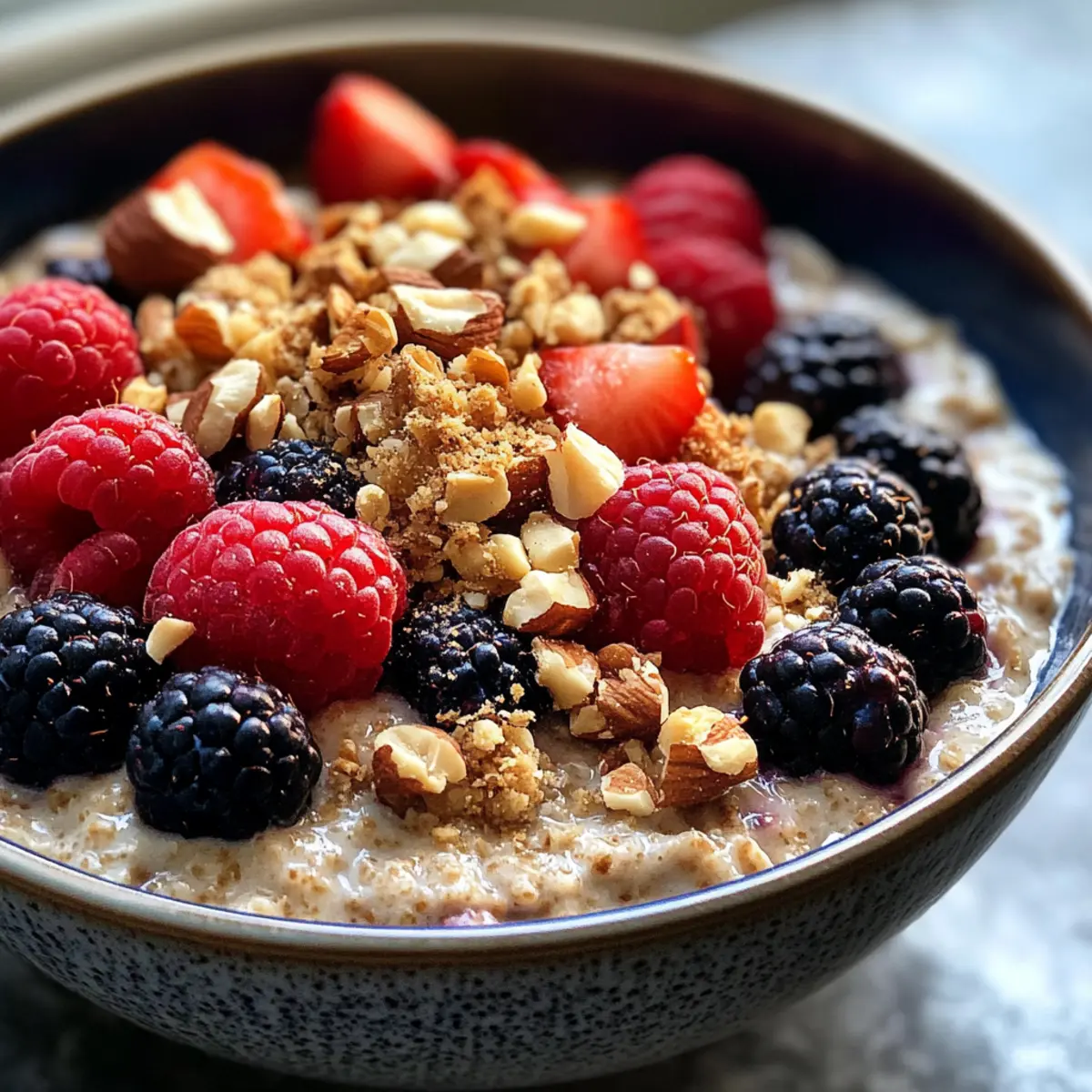
Waking up to the enticing scent of coconut warming on the stove is like a mini vacation to the tropics, even on the busiest of mornings. My Tasty Coconut Cream Oats are not only a delightful way to kick-start your day but also take just 15 minutes to whip up, making them perfect for both rushed breakfasts and leisurely brunches. Crafted with creamy coconut milk, heart-healthy oats, and topped with your favorite fruits, this vegan and gluten-free delight provides the essential nutrients you need to fuel your morning adventure. Plus, it’s naturally sweetened and incredibly satisfying! Are you ready to elevate your breakfast game with a bowl of sunshine?

Why Are Coconut Cream Oats So Special?

Nourishing Quickness: These Tasty Coconut Cream Oats come together in just 15 minutes, perfect for busy mornings or lazy brunches.

Creamy Delight: The combination of creamy coconut milk and hearty oats gives every bite a blissful tropical twist, ensuring you savor each mouthful.

Nutritious Powerhouse: Packed with fiber, healthy fats, and antioxidants, this breakfast is as beneficial as it is delicious.

Customizable Flavors: Feel free to swap in your favorite fruits or nuts, just like the idea behind my Mango Coconut Pudding!

Crowd-Pleaser: Whether for yourself or guests, this recipe transforms your morning routine into a delightful culinary experience.

Vegan & Gluten-Free: Everyone can enjoy this dish, making it a wholesome choice for every dietary preference!

Tasty Coconut Cream Oats Ingredients

For the Oats
Old-Fashioned Rolled Oats – A hearty base that provides warmth; substitute with steel-cut oats for a chewier texture (requires longer cooking time).
Coconut Milk – This creamy dairy alternative adds a tropical flair; unsweetened almond milk can be used for a lighter option or regular dairy milk if desired.

For the Mix-Ins
Chia Seeds – A powerhouse of omega-3 fatty acids and fiber; ground flaxseeds work well as an alternative.
Maple Syrup or Honey – Natural sweeteners; maple syrup enhances flavor depth while honey offers a quick energy boost. Use stevia for a zero-calorie option, but be mindful of taste variations.
Shredded Coconut – Adds delightful texture and elevates the coconut cream flavor; unsweetened is preferred for a healthy option.

For the Toppings
Fresh Fruit – Bananas, berries, or seasonal picks add vitamins and natural sweetness to your bowl.
Nuts or Seeds – Almonds, walnuts, or pumpkin seeds provide crunch and healthy fats; go for pumpkin seeds for a nut-free variation.

With these ingredients, your Tasty Coconut Cream Oats will not only be delicious but also bursting with nutritional goodness. Enjoy a breakfast that not only nurtures your body but also excites your taste buds!

Step‑by‑Step Instructions for Tasty Coconut Cream Oats

Step 1: Gather Your Ingredients
Begin by collecting all your ingredients for the Tasty Coconut Cream Oats: old-fashioned rolled oats, coconut milk, chia seeds, maple syrup or honey, shredded coconut, and your choice of fresh fruit and nuts. This preparation will streamline your cooking process and allow for a smoother transition as you embark on your breakfast adventure.

Step 2: Combine Oats and Coconut Milk
In a medium saucepan, combine 1 cup of rolled oats with 2 cups of coconut milk over medium heat. Stir the mixture occasionally while letting it come to a gentle simmer, which should take about 3-5 minutes. Keep an eye on it to ensure the oats don’t stick to the bottom, allowing for optimal creaminess.

Step 3: Add Chia Seeds and Cook
Once the oats are simmering, stir in 2 tablespoons of chia seeds. Continue cooking the mixture for an additional 5 minutes, stirring periodically. The oats should thicken up beautifully during this time, creating a creamy texture that’s visually appetizing and perfect for your Tasty Coconut Cream Oats.

Step 4: Sweeten to Taste
Remove the saucepan from the heat and drizzle in maple syrup or honey to taste, mixing well until fully incorporated. This step allows you to adjust the sweetness of your coconut cream oats—feel free to taste and customize according to your preference, ensuring every spoonful is delightful.

Step 5: Enhance with Shredded Coconut
Next, stir in 1/4 cup of shredded coconut for added flavor and texture. If desired, you can also incorporate spices like a dash of cinnamon or a splash of vanilla extract to elevate the aroma of your Tasty Coconut Cream Oats. Mix everything together for a few seconds until evenly distributed.

Step 6: Serve and Top
Spoon the creamy coconut oats into individual bowls and garnish with your favorite fresh fruits such as bananas or berries. Sprinkle a handful of nuts or seeds on top for added crunch, personalizing your Tasty Coconut Cream Oats to make each bowl uniquely yours, ready to delight your taste buds.

How to Store and Freeze Tasty Coconut Cream Oats

Fridge: Store any leftover Tasty Coconut Cream Oats in an airtight container for up to 3 days. When reheating, add a splash of coconut milk for that creamy texture.

Freezer: For longer storage, freeze portions of the cooked oats in individual containers. They can last up to 1 month; remember to let them cool completely before freezing.

Reheating: Thaw overnight in the fridge before reheating. Warm in the microwave or on the stovetop, adding coconut milk as needed to restore creaminess.

Make-Ahead Tips: Prepare a batch over the weekend and portion out for busy mornings; this way, you can enjoy a healthy breakfast quickly!

What to Serve with Tasty Coconut Cream Oats

Waking up to a bowl of tropical goodness opens the door to delightful breakfast pairings that will enhance your morning experience.

  • Crunchy Granola: Adds a satisfying crunch that contrasts the creamy oats, elevating each bite with sweetness and texture.

  • Sliced Bananas: Their natural sweetness and creamy texture blend beautifully with oats, offering essential potassium and energy for the day.

  • Berries Medley: Fresh strawberries, blueberries, or raspberries add vibrant color and a refreshing zing, making your bowl visually exciting and delicious.

  • Nut Butter Drizzle: A spoonful of almond or peanut butter introduces a rich depth of flavor and healthy fats, creating a more filling breakfast option.

  • Coconut Yogurt: This creamy topping enhances the coconut theme while adding probiotics, creating an overall tropical delight that is gut-friendly.

  • Herbal Tea: A warm cup complements the oats perfectly, soothing the senses and providing a calm start to your day.

  • Coconut Water: Quench your thirst and support hydration while staying within the coconut flavor profile, making for a refreshing pairing.

  • Dairy-Free Chocolate Shavings: For a decadent twist, sprinkle dark chocolate on top for a sweet finish, making healthy breakfast feel like dessert.

Tasty Coconut Cream Oats Variations

Feel free to explore these delightful twists to personalize your Tasty Coconut Cream Oats!

  • Dairy-Free: Substitute coconut milk with unsweetened almond milk for a lighter, nutty flavor.
  • Nut-Free: Opt for pumpkin seeds instead of nuts, ensuring a safe, crunchy topping for those with nut allergies.
  • Sweetness Swap: Use agave nectar or date syrup in place of maple syrup for a different natural sweetener vibe.
  • Extra Tropical: Mix in diced mango or pineapple for a fresh, vibrant twist that takes your breakfast to a tropical paradise.
  • Heat it Up: Add a pinch of cayenne pepper or chili flakes for a surprising kick that wakes up your taste buds.
  • Plant-Powered: Consider using ground flaxseeds instead of chia seeds for added fiber and healthy omega-3 fatty acids.
  • Texture Play: Stir in cooked quinoa for a unique texture and an extra boost of protein.
  • Fall Flavor: Spice up your oats with pumpkin puree and a sprinkle of cinnamon for a cozy autumn-inspired breakfast.

With these variations, the possibilities are endless! You can combine flavors just like in my Coconut Curry Soup, or enjoy a refreshing drink like the Pineapple Coconut Mojito alongside your oats. Get ready to create a breakfast masterpiece!

Make Ahead Options

These Tasty Coconut Cream Oats are a dream for busy home cooks looking to save time during hectic mornings! You can prepare the oats and coconut milk mixture up to 24 hours in advance. Simply cook the oats as directed, allow them to cool, and then store them in an airtight container in the refrigerator. When you’re ready to serve, reheat the oats gently on the stove, adding a splash of coconut milk to restore their creamy texture. To maintain quality, keep toppings like fresh fruit and nuts separate until you’re ready to enjoy, ensuring they remain fresh and crunchy. With these make-ahead tips, your delightful breakfast is just minutes away!

Helpful Tricks for Tasty Coconut Cream Oats

  • Perfect Cooking Time: Keep a close watch for 10-15 minutes as overcooking can lead to mushy oats; aim for a thick but creamy texture.

  • Flavor Adjustments: Take a moment to taste and adjust sweetness, as different brands of coconut milk and sweeteners vary in potency.

  • Resting Period: Allow the oats to sit for about a minute after cooking; this helps the flavors meld beautifully and enhances the overall taste of your Tasty Coconut Cream Oats.

  • Leftover Storage: Store any leftovers in an airtight container in the refrigerator for up to 3 days; add a splash of coconut milk when reheating to regain creaminess.

  • Customization Opportunities: Experiment with different fruits, nuts, or seeds to create your personalized version of this delicious breakfast; the sky’s the limit!

Tasty Coconut Cream Oats Recipe FAQs

What should I look for when selecting ripe ingredients?
When picking ripe fresh fruit for your Tasty Coconut Cream Oats, choose bananas that are slightly speckled for natural sweetness or berries that are vibrant in color and firm to the touch. Avoid fruits with dark spots all over, as they indicate overripeness. Always inspect your coconut milk—if it’s clumpy or has an off smell, it’s best to replace it!

How should I store leftover Tasty Coconut Cream Oats?
Store any leftover Tasty Coconut Cream Oats in an airtight container in the refrigerator for up to 3 days. When you’re ready to enjoy them again, simply add a splash of coconut milk while reheating to bring back that creamy deliciousness, ensuring every bite is just as satisfying as the first!

Can I freeze Tasty Coconut Cream Oats?
Absolutely! For longer storage, you can freeze portions of the cooked oats in individual containers. Let them cool completely before placing them in the freezer, where they can last for up to 1 month. To reheat, thaw overnight in the fridge and warm in the microwave or on the stovetop, adding coconut milk if needed to restore creaminess.

What if my oats turn out too thick or watery?
If your Tasty Coconut Cream Oats end up too thick, simply add a bit more coconut milk or water slowly while stirring until you reach your desired consistency. Conversely, if they are too watery, you can cook them a little longer over low heat, stirring frequently until they reach that perfect creamy texture you’re aiming for.

Are Tasty Coconut Cream Oats safe for pets?
While the ingredients in Tasty Coconut Cream Oats are healthy for humans, it’s best to avoid sharing them with pets. Coconut milk and chia seeds can be difficult for pets to digest in large amounts, leading to stomach upset. A small taste might be okay, but it’s always wise to consult with your veterinarian before introducing new foods to your pet’s diet.

Can I modify the recipe for dietary restrictions?
Very! This recipe is already vegan and gluten-free, but if you have nut allergies, simply substitute any nuts or seeds with additional fruits or sunflower seeds to maintain texture and nutrition. You can also experiment with different non-dairy milk options like oat or rice milk, catering to various dietary preferences without sacrificing flavor!

Tasty Coconut Cream Oats

Delicious Tasty Coconut Cream Oats for a Nourishing Start

Tasty Coconut Cream Oats are a quick, vegan, and gluten-free breakfast option that nourishes and delights.
Prep Time 5 minutes
Cook Time 15 minutes
Resting Time 1 minute
Total Time 15 minutes
Servings: 2 bowls
Course: Breakfast
Cuisine: Gluten-Free, Vegan
Calories: 300

Ingredients
  

For the Oats
  • 1 cup Old-Fashioned Rolled Oats Substitute with steel-cut oats for a chewier texture.
  • 2 cups Coconut Milk Unsweetened almond milk can be used for a lighter option.
For the Mix-Ins
  • 2 tablespoons Chia Seeds Ground flaxseeds can be used as an alternative.
  • to taste Maple Syrup or Honey Stevia can be used for a zero-calorie option.
  • 1/4 cup Shredded Coconut Unsweetened is preferred for a healthy option.
For the Toppings
  • 1 cup Fresh Fruit Bananas, berries, or seasonal picks.
  • 1/4 cup Nuts or Seeds Almonds, walnuts, or pumpkin seeds.

Equipment

  • Medium saucepan

Method
 

Preparation Instructions
  1. Gather all your ingredients for the Tasty Coconut Cream Oats.
  2. Combine 1 cup of rolled oats with 2 cups of coconut milk in a medium saucepan over medium heat. Stir occasionally and let it come to a gentle simmer for about 3-5 minutes.
  3. Stir in 2 tablespoons of chia seeds and continue cooking for an additional 5 minutes.
  4. Remove from heat and drizzle in maple syrup or honey to taste, mixing well.
  5. Stir in 1/4 cup of shredded coconut and mix until evenly distributed.
  6. Spoon the creamy coconut oats into bowls and garnish with fresh fruits and nuts or seeds.

Nutrition

Serving: 1bowlCalories: 300kcalCarbohydrates: 40gProtein: 7gFat: 12gSaturated Fat: 10gSodium: 5mgPotassium: 350mgFiber: 8gSugar: 10gVitamin C: 5mgCalcium: 10mgIron: 10mg

Notes

Store leftovers in an airtight container for up to 3 days. Reheat with a splash of coconut milk for creaminess.

Tried this recipe?

Let us know how it was!

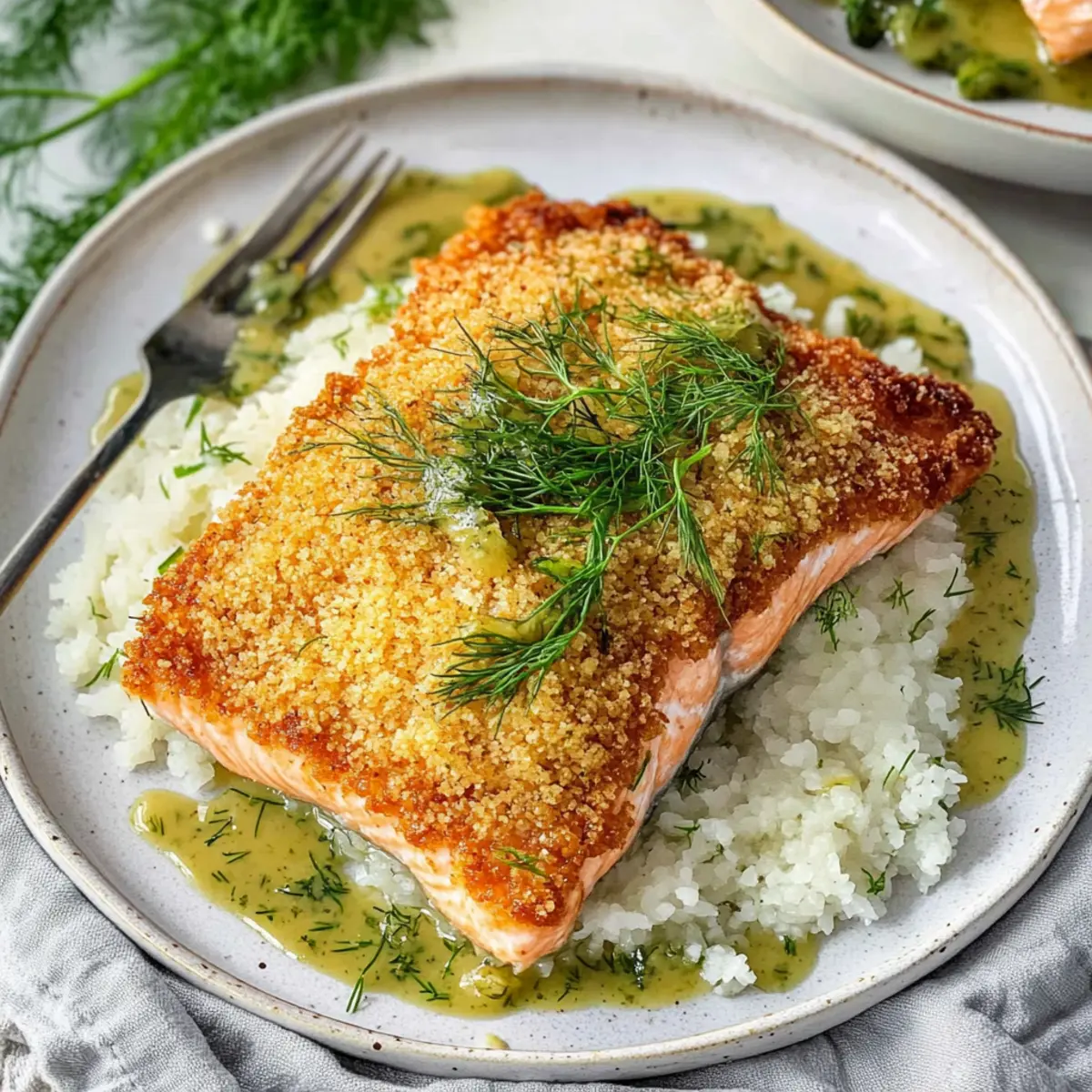
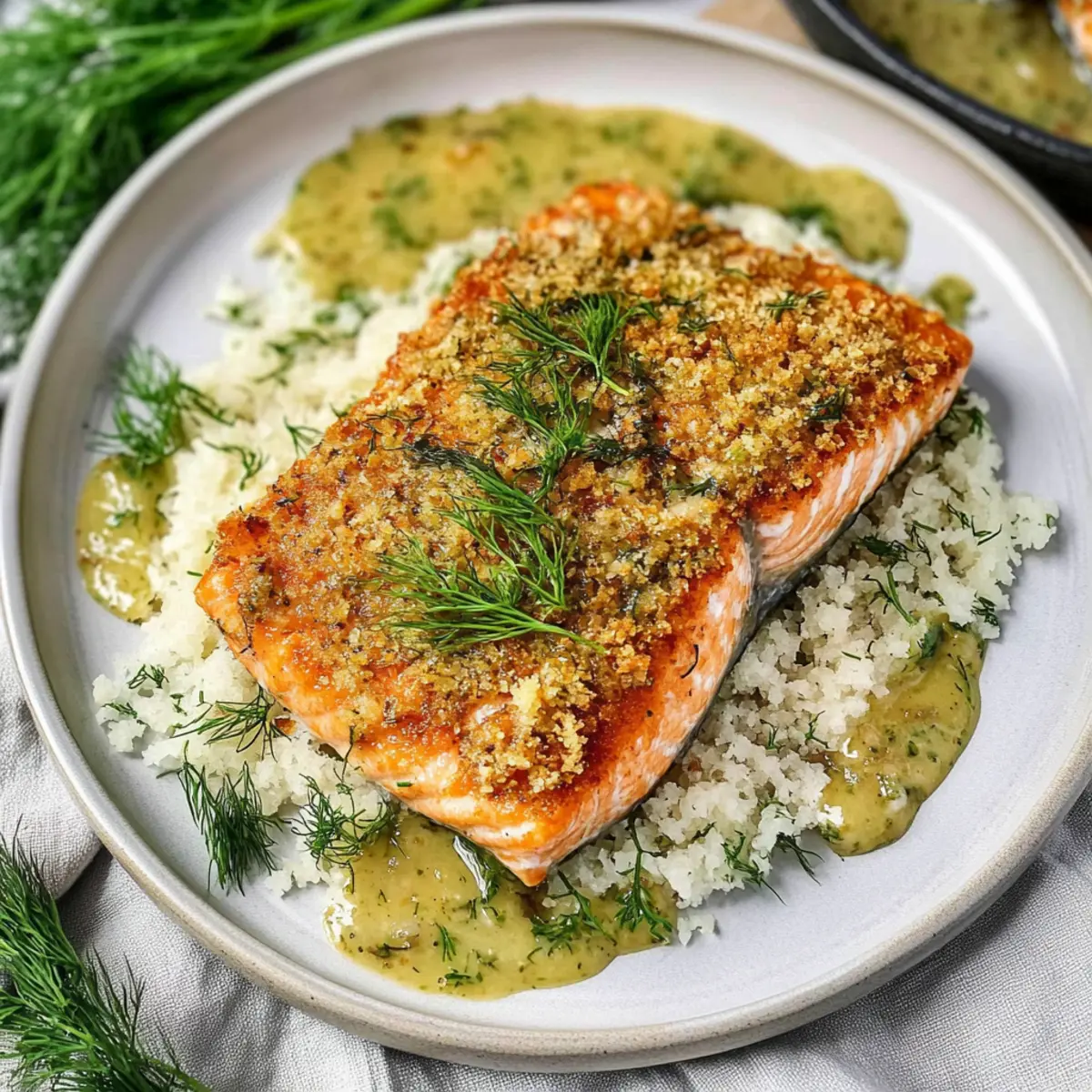
Dijon Dill Panko Crusted Salmon: Quick & Crisp Perfection

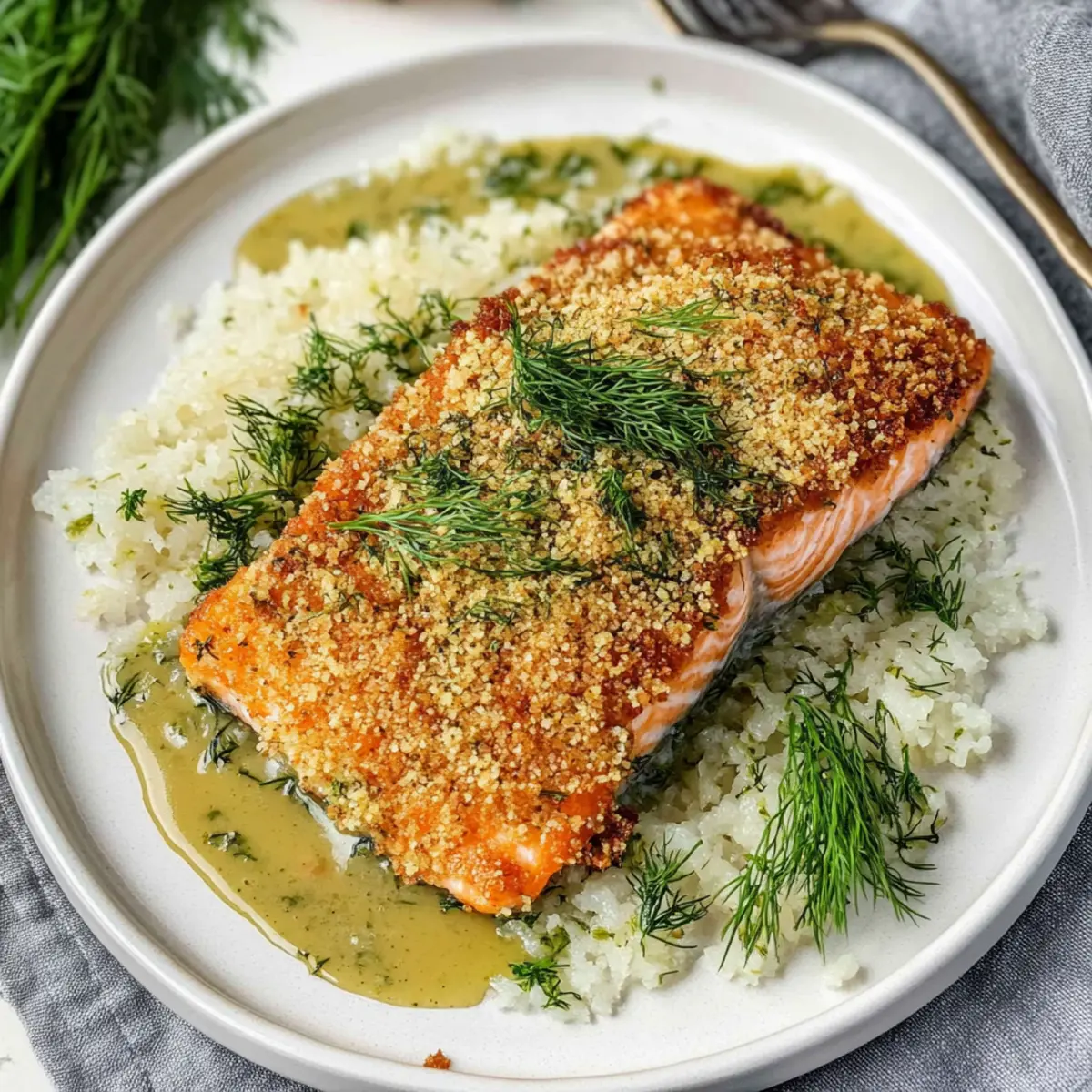
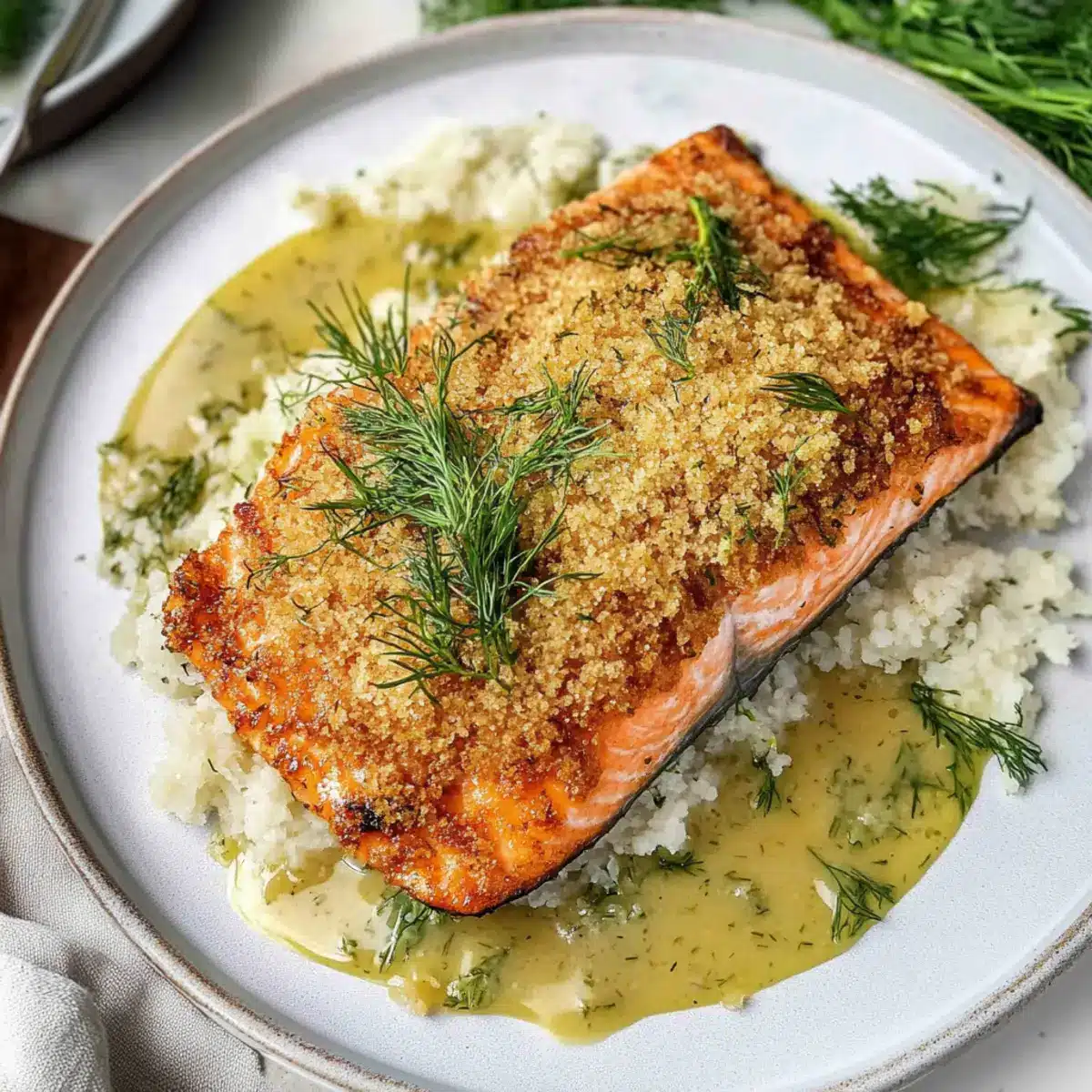
As I stood by the air fryer, the rich aroma of Dijon and dill wafted through the kitchen, reminding me of our favorite bistro’s signature dish. I couldn’t help but smile, knowing that I was about to recreate that delightful experience at home with my Crispy Dijon Dill Panko Crusted Salmon. This recipe is not just a quick dinner solution; it’s a shining example of how restaurant-quality meals can be prepared in the comfort of your own kitchen. In just 20 minutes, you’ll have a stunning dish that balances the crunchy panko crust with the flaky, tender salmon underneath. Plus, it’s a great way to impress guests or simply treat yourself to something special without extensive prep. Curious how this culinary delight comes together? Let’s dive in!

Why is this salmon recipe a game-changer?

Fast and Flavorful: With just 20 minutes of prep and cooking time, this recipe offers remarkable taste without the hours in the kitchen. Restaurant-Quality Appeal: Impress your family or guests with a dish that tastes as if it came straight from a bistro. Versatile Variations: Feel free to customize your salmon by using skin-on fillets or experimenting with different herbs like tarragon or even a hint of parmesan in the panko for an extra savory kick. Healthy and Satisfying: Each serving balances protein and healthy fats, making it a guilt-free indulgence. Elevate your weeknight meals with this stunning salmon, and don’t miss out on pairing it with a light salad for a complete dinner experience!

Dijon Dill Panko Crusted Salmon Ingredients

For the Salmon

  • Salmon Fillets – Use 6-ounce fillets for the best texture; trout can be a delicious substitute.
  • Salt and Pepper – Essential for flavor enhancement; feel free to adjust to your taste.

For the Coating

  • Smoked Paprika – Adds a smoky depth; regular paprika can be used for a milder flavor.
  • Garlic Powder – Provides a savory kick; freshly minced garlic is a great alternative but adjust the amount.
  • Dijon Mustard – The tangy base that holds the panko; try whole grain mustard for a twist.
  • Honey – Balances the mustard’s tang; maple syrup is a vegan-friendly substitute.
  • Fresh Dill – Offers a fresh herbaceous note; dried dill works but should be used in smaller quantities.
  • Lemon Juice – Brightens up the flavors; lime juice can be a great substitute.

For the Crunchy Topping

  • Panko Breadcrumbs – For that crispy, golden crust; regular breadcrumbs can be a backup but will yield a denser topping.
  • Cooking Oil Spray – Aids in perfect browning; high-heat oils like avocado or canola work wonderfully.
  • Salted Butter – Adds richness to the sauce; switch for unsalted butter and adjust the salt in the recipe if needed.

This Dijon Dill Panko Crusted Salmon is just what you need for a quick dinner that doesn’t compromise on taste! Enjoy preparing this flavorful dish.

Step‑by‑Step Instructions for Dijon Dill Panko Crusted Salmon

Step 1: Prepare Salmon
Begin by patting your salmon fillets dry with paper towels to ensure a crisp texture. Season both sides with smoked paprika, garlic powder, salt, and black pepper to enhance the flavor. Spread them evenly on a plate or cutting board, prepping your fillets for the next delicious steps.

Step 2: Make Dijon Mixture
In a small bowl, whisk together Dijon mustard, honey, chopped fresh dill, minced garlic, and a squeeze of lemon juice. This tangy mixture acts as both a flavorful marinade and a glue for the crunchy topping. Ensure the ingredients are well combined to amplify the taste of your Dijon Dill Panko Crusted Salmon.

Step 3: Apply Mixture
Spoon about one tablespoon of the Dijon mixture onto each prepared salmon fillet, using the back of the spoon to spread it evenly. Make sure to reserve some of the mixture for the finishing sauce. This layer of mustard will not only enhance the flavor but will also provide a base for the crispy panko topping.

Step 4: Top with Panko
Generously sprinkle panko breadcrumbs over each fillet, pressing down gently to ensure adherence to the mustard layer. This is the key to achieving that glorious crunch! Afterward, lightly spray the panko-topped salmon with cooking oil to promote golden browning during the cooking process.

Step 5: Air Fry
Preheat your air fryer to 360°F for optimal cooking. Once heated, carefully place the salmon fillets inside, ensuring they’re not overcrowded. Cook for 8 to 9 minutes, checking for a golden-brown crust and that the salmon flakes easily with a fork. The Dijon Dill Panko Crusted Salmon will now be nearing perfection!

Step 6: Prepare Sauce
While the salmon cooks, melt butter in a small saucepan over low heat. Add the reserved Dijon mixture to the melted butter, stirring until combined. This savory sauce will add a rich finishing touch to your crispy salmon once it’s perfectly cooked and ready to be plated.

Make Ahead Options

Preparing your Crispy Dijon Dill Panko Crusted Salmon ahead of time is a fantastic way to streamline dinner on busy weeknights! You can season your salmon fillets up to 24 hours in advance by patting them dry and applying the smoked paprika, garlic powder, salt, and pepper. Store them tightly covered in the refrigerator to ensure they stay fresh. Additionally, you can prepare the Dijon mixture and refrigerate it for up to 3 days; just give it a quick stir before use. When you’re ready to cook, simply top the marinated salmon with the panko and air fry as instructed. This way, you’ll enjoy restaurant-quality results with minimal last-minute effort!

Storage Tips for Dijon Dill Panko Crusted Salmon

Fridge: Store leftovers in an airtight container for up to 2 days. This helps lock in flavors while preventing spoilage, ensuring your crispy dish remains delicious.

Freezer: If you wish to freeze your Dijon Dill Panko Crusted Salmon, wrap individual fillets tightly in plastic wrap and then foil, keeping for up to 2 months. This method preserves the flavors and textures for a later meal.

Reheating: To maintain that perfect crispy texture, reheat salmon in the air fryer at 350°F for about 5-7 minutes. This will revive the crunch and keep the salmon tender!

Serving Suggestions: Consider serving the reheated salmon with a fresh side salad or steamed vegetables for a delightful meal that feels just as special as the first time.

Expert Tips for Dijon Dill Panko Crusted Salmon

  • Dry the Fillets: Before seasoning, make sure the salmon fillets are thoroughly dried with paper towels. This ensures the panko sticks well and results in a crispy texture.

  • Evenly Space in Air Fryer: Avoid overcrowding the air fryer basket. Give each fillet room to breathe for even cooking and that golden crust to shine.

  • Check for Doneness: Monitor the cooking time closely. The salmon is ready when it flakes easily with a fork and the panko is perfectly golden, preventing any overcooking.

  • Reserve the Sauce: Always save part of the Dijon mixture for the finishing butter sauce. This extra touch elevates your Dijon Dill Panko Crusted Salmon and adds a luscious layer of flavor.

  • Customize Your Herbs: Feel free to switch up the fresh dill with other herbs like tarragon or parsley. Each herb brings a unique twist to your delicious dish!

What to Serve with Crispy Dijon Dill Panko Crusted Salmon

A beautiful dinner deserves beautiful companions, and this dish pairs wonderfully with fresh sides and delightful beverages.

  • Garlic Butter Asparagus: The crisp-tender asparagus enhances the meal’s freshness while melding beautifully with the rich salmon flavors.

  • Creamy Mashed Potatoes: Velvety and comforting, they provide a smooth contrast to the crunchy panko, making every bite divine.

    Pairing a luscious mashed potato with your crispy salmon creates a delightful balance of textures. This combination will satisfy every comfort food craving.

  • Citrus Quinoa Salad: Bright, zesty flavors from citrus and herbs will brighten the palate and complement the dill in the salmon perfectly.

  • Lemon Roasted Broccoli: Garlic-infused broccoli adds a delightful crunch and pairs well with the Dijon and butter sauce, enhancing the overall flavor profile.

  • Herbed Rice Pilaf: This fragrant rice side, peppered with fresh herbs, mirrors the freshness of the salmon, making each bite vibrant and fulfilling.

    Plus, the lightness of the pilaf allows the salmon’s bold flavors to shine through brilliantly.

  • Sparkling White Wine: Effervescent and crisp, a light white wine elevates the dining experience, refreshing your palate between bites of the delicious salmon.

  • Chocolate Mousse: End on a sweet note with a rich, creamy chocolate mousse; its luxurious texture and flavor are sure to impress.

Variations & Substitutions for Dijon Dill Panko Crusted Salmon

Feel free to get creative with this recipe; customizing it will elevate your culinary experience!

  • Skin-On or Skinless: Use skin-on fillets for extra flavor and added crispiness; skinless fillets are lighter and easier to handle.
  • Herb Swap: Substitute fresh dill with tarragon or parsley for a vibrant twist. Each herb lends its unique flavor, making this dish versatile.
  • Spice It Up: Add a pinch of cayenne pepper to the panko for a subtle kick. It will enhance the overall flavor profile without overwhelming the dish.
  • Cheesy Delight: Mix in some grated Parmesan with the panko for an extra layer of richness. The cheesy crunch complements the Dijon perfectly!
  • Honey Alternatives: For a vegan option, use agave syrup instead of honey. This swap maintains sweetness while accommodating dietary preferences.
  • Citrus Twist: Replace lemon juice with lime juice for a brighter, tangy flavor. It adds a refreshing zing, perfect for warm weather dining.
  • Air Fryer Temperature: Experiment with different temperature settings in the air fryer for varying crust textures. Higher heat yields a crunchier finish, while lower heat keeps the salmon tender.
  • Additional Toppings: Drizzle with a homemade tzatziki sauce or tahini dressing before serving for a creamy pairing. These sauces bring brightness and complementary flavors to each bite.

For a lovely dinner pairing, consider serving this salmon alongside a light salad or some steamed vegetables to round out the meal. You might also like my Parmesan Crusted Chicken or Blackened Salmon Stuffed for more inspiring seafood ideas. Enjoy creating your unique twist on this delightful dish!

Dijon Dill Panko Crusted Salmon Recipe FAQs

How do I select the best salmon fillets?
When choosing salmon, look for vibrant, firm flesh that has a fresh ocean-like scent; fillets should be moist with no dark spots all over. Fresh, wild-caught salmon is ideal if you can find it, as it typically has better flavor. If purchasing frozen salmon, ensure it has been properly stored and is still sealed to maintain the best quality.

What is the best way to store leftovers?
Store any leftovers of your Dijon Dill Panko Crusted Salmon in an airtight container in the refrigerator for up to 2 days. This should help retain the flavor and moisture of the dish. When reheating, try to avoid the microwave, as it can soften the panko crust; instead, the air fryer is perfect for bringing back that crisp goodness.

Can I freeze the salmon after cooking?
Absolutely! If you wish to freeze your Dijon Dill Panko Crusted Salmon, wrap each fillet tightly in plastic wrap and then foil. This technique prevents freezer burn and preserves freshness. You can keep it in the freezer for up to 2 months. When ready to enjoy, thaw in the refrigerator overnight and reheat in an air fryer at 350°F for about 5-7 minutes to regain that delightful crunch.

What should I do if the panko crust doesn’t brown?
If your panko crust isn’t browning as expected, ensure that you are using a sufficient amount of cooking oil spray before air-frying. Additionally, you might want to check the temperature of your air fryer; too low might prevent browning. If you find your salmon isn’t as crispy, next time try increasing the temperature slightly or adding a brief broiling step after air-frying.

Are there any dietary considerations I should be aware of?
When preparing this dish, be mindful of any allergies or dietary restrictions. For instance, individuals with a gluten intolerance should use gluten-free panko breadcrumbs. If serving to guests, always double-check for allergies to fish or other ingredients used in the recipe, such as garlic or honey. If you’re making adjustments, let your guests know what ingredient swaps you’ve made to keep them informed and safe.

Can I make this recipe vegan-friendly?
Certainly! To adapt the Dijon Dill Panko Crusted Salmon into a vegan dish, consider substituting the salmon with hearty vegetables like eggplant or even tofu. Replace honey with maple syrup or agave and use plant-based butter in the sauce. While the texture will vary, you’ll still enjoy a deliciously seasoned meal that captures the essence of the original recipe.

Dijon Dill Panko Crusted Salmon

Dijon Dill Panko Crusted Salmon: Quick & Crisp Perfection

A quick and delicious Dijon Dill Panko Crusted Salmon recipe that brings restaurant-quality flavor to your home in just 20 minutes.
Prep Time 10 minutes
Cook Time 10 minutes
Total Time 20 minutes
Servings: 2 fillets
Course: Dinner
Cuisine: American
Calories: 400

Ingredients
  

For the Salmon
  • 12 ounces Salmon Fillets Use 6-ounce fillets for the best texture; trout can be a delicious substitute.
  • to taste Salt and Pepper Essential for flavor enhancement.
For the Coating
  • 1 teaspoon Smoked Paprika Adds a smoky depth; regular paprika can be used for a milder flavor.
  • 1 teaspoon Garlic Powder Provides a savory kick; freshly minced garlic is a great alternative.
  • 3 tablespoons Dijon Mustard Tangy base that holds the panko; try whole grain mustard for a twist.
  • 1 tablespoon Honey Balances the mustard's tang; maple syrup is a vegan-friendly substitute.
  • 2 tablespoons Fresh Dill Fresh herbaceous note; dried dill works but should be used in smaller quantities.
  • 1 tablespoon Lemon Juice Brightens up the flavors; lime juice can be a great substitute.
For the Crunchy Topping
  • 1 cup Panko Breadcrumbs For that crispy, golden crust; regular breadcrumbs can be a backup.
  • to taste Cooking Oil Spray Aids in perfect browning; high-heat oils like avocado or canola work wonderfully.
  • 2 tablespoons Salted Butter Adds richness; switch for unsalted butter and adjust the salt if needed.

Equipment

  • Air fryer
  • small bowl
  • Saucepan
  • Plate or cutting board

Method
 

Step‑by‑Step Instructions
  1. Begin by patting your salmon fillets dry with paper towels to ensure a crisp texture. Season both sides with smoked paprika, garlic powder, salt, and black pepper.
  2. In a small bowl, whisk together Dijon mustard, honey, chopped fresh dill, minced garlic, and lemon juice.
  3. Spoon about one tablespoon of the Dijon mixture onto each salmon fillet, spreading it evenly.
  4. Generously sprinkle panko breadcrumbs over each fillet, pressing down gently to ensure adherence to the mustard layer.
  5. Preheat your air fryer to 360°F. Place the salmon fillets inside and cook for 8 to 9 minutes, checking for a golden-brown crust.
  6. While the salmon cooks, melt butter in a saucepan over low heat and add the reserved Dijon mixture, stirring until combined.

Nutrition

Serving: 6ouncesCalories: 400kcalCarbohydrates: 30gProtein: 35gFat: 20gSaturated Fat: 10gPolyunsaturated Fat: 2gMonounsaturated Fat: 8gCholesterol: 70mgSodium: 600mgPotassium: 800mgFiber: 2gSugar: 3gVitamin A: 500IUVitamin C: 10mgCalcium: 30mgIron: 2mg

Notes

For best results, dry the fillets thoroughly before seasoning and ensure there is enough space in the air fryer for even cooking.

Tried this recipe?

Let us know how it was!

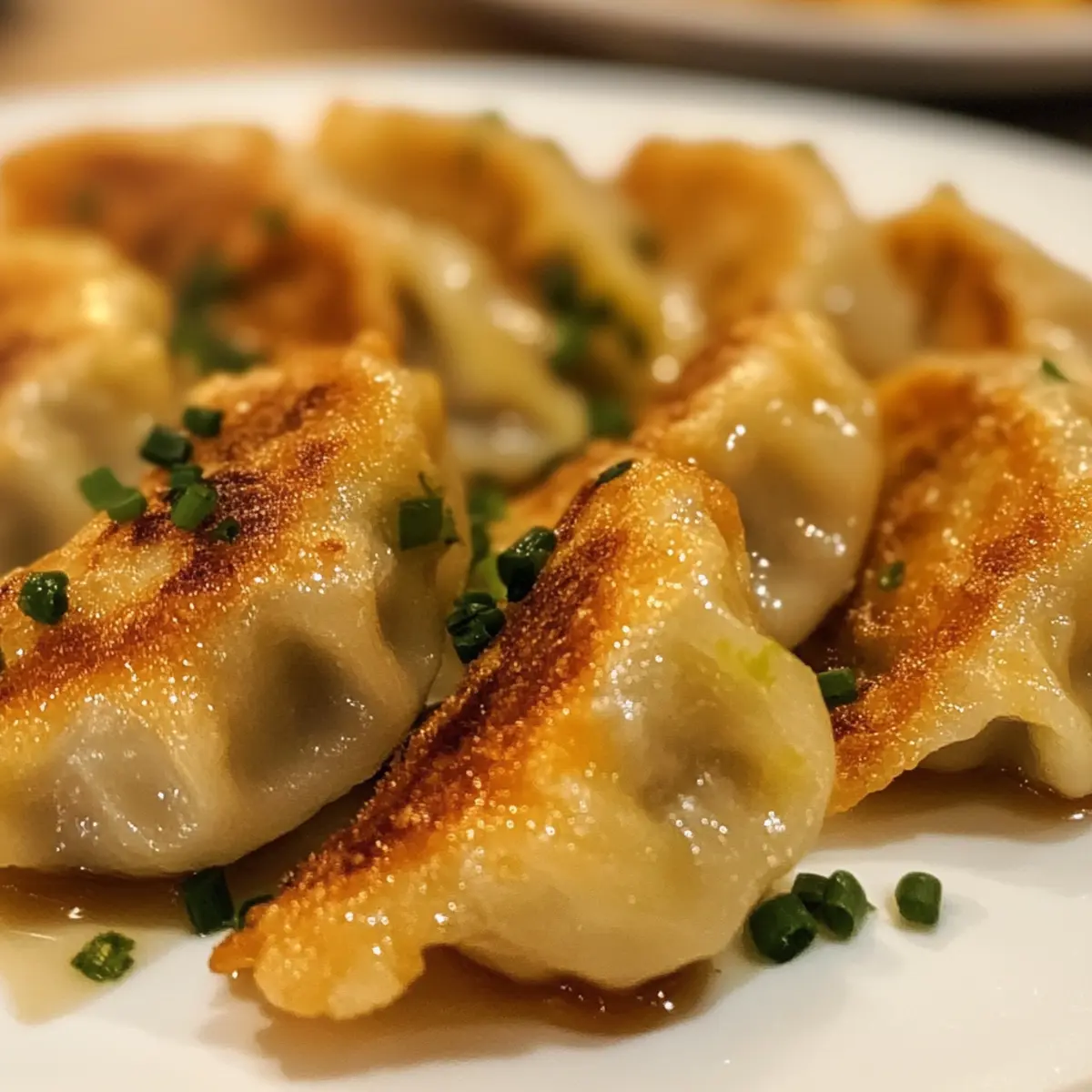
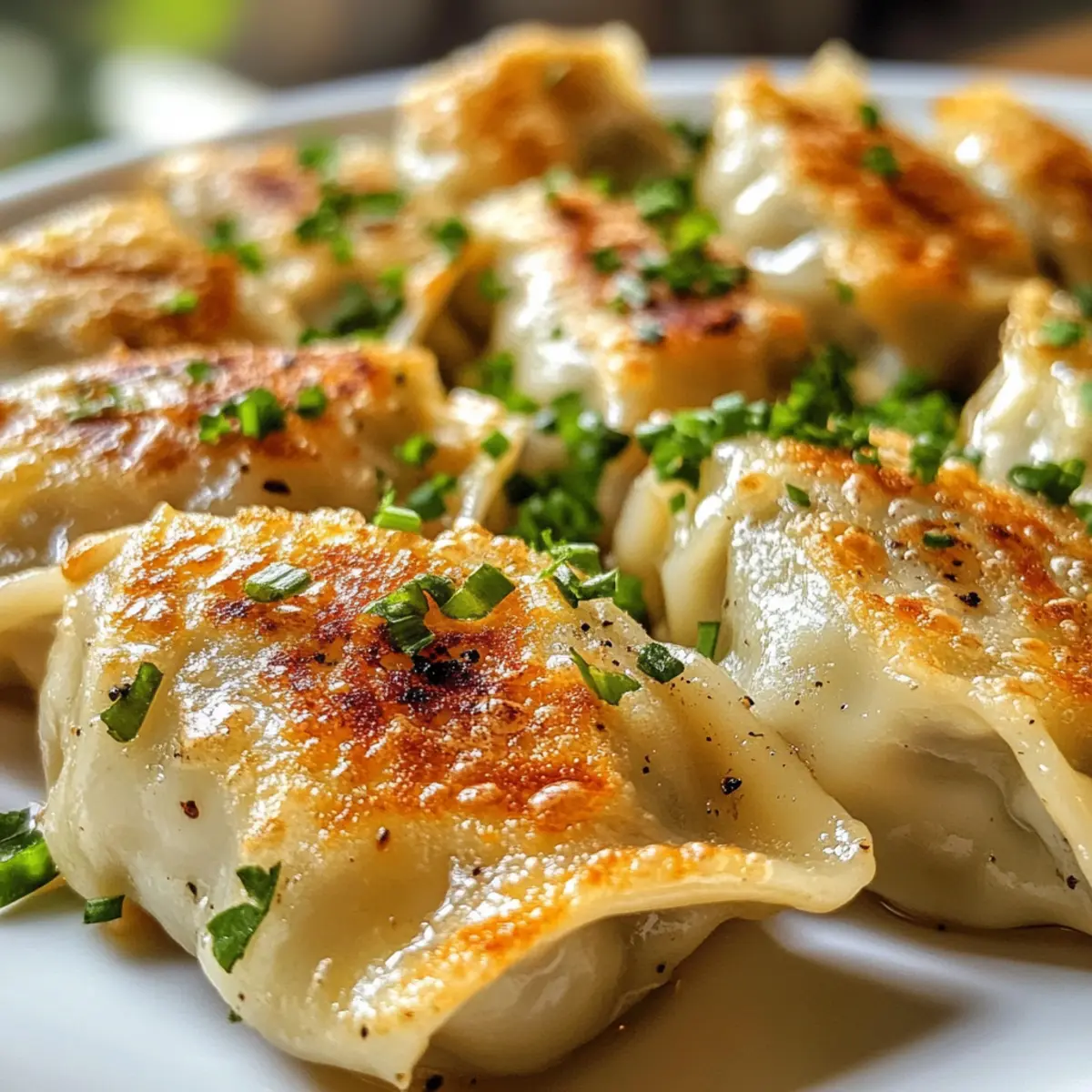
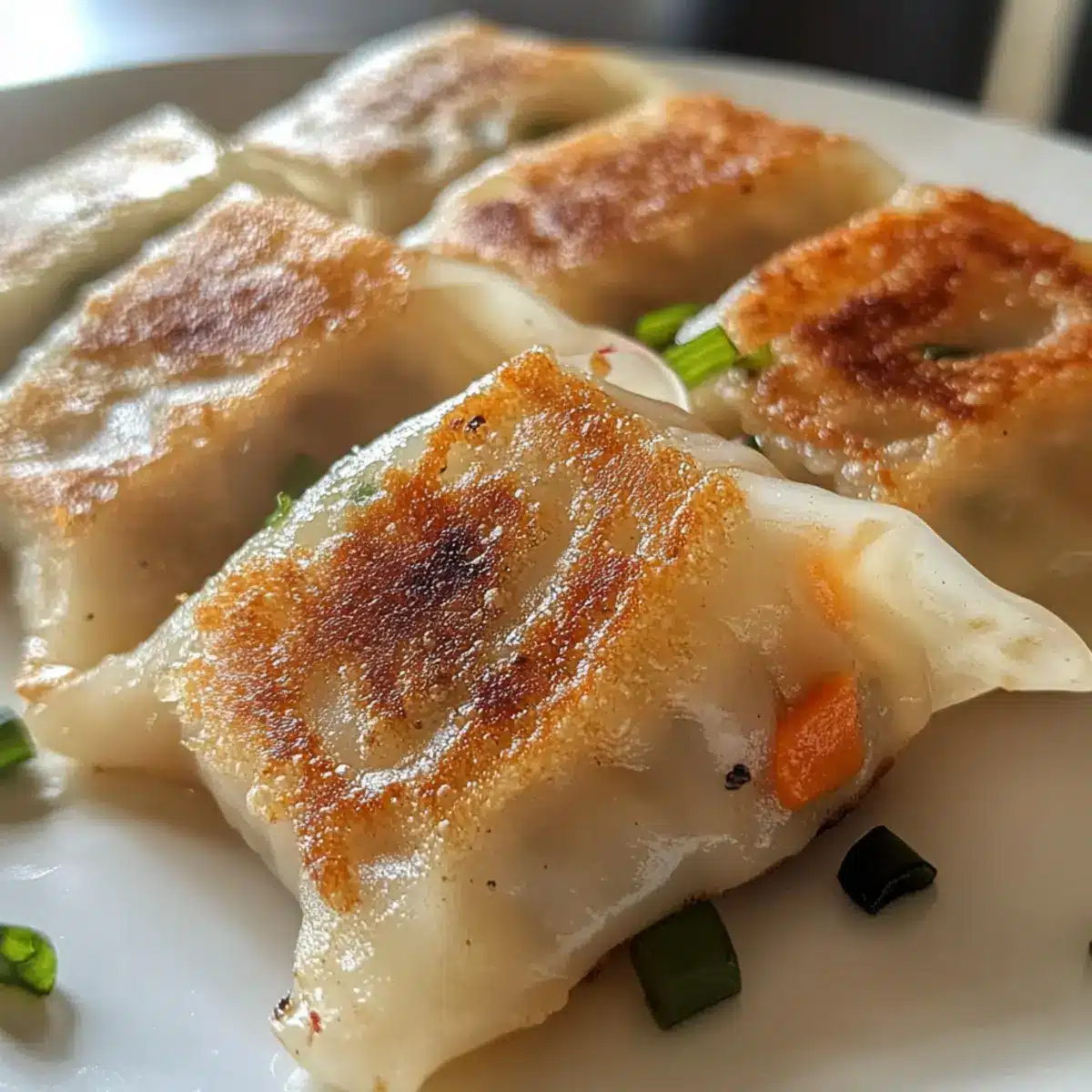
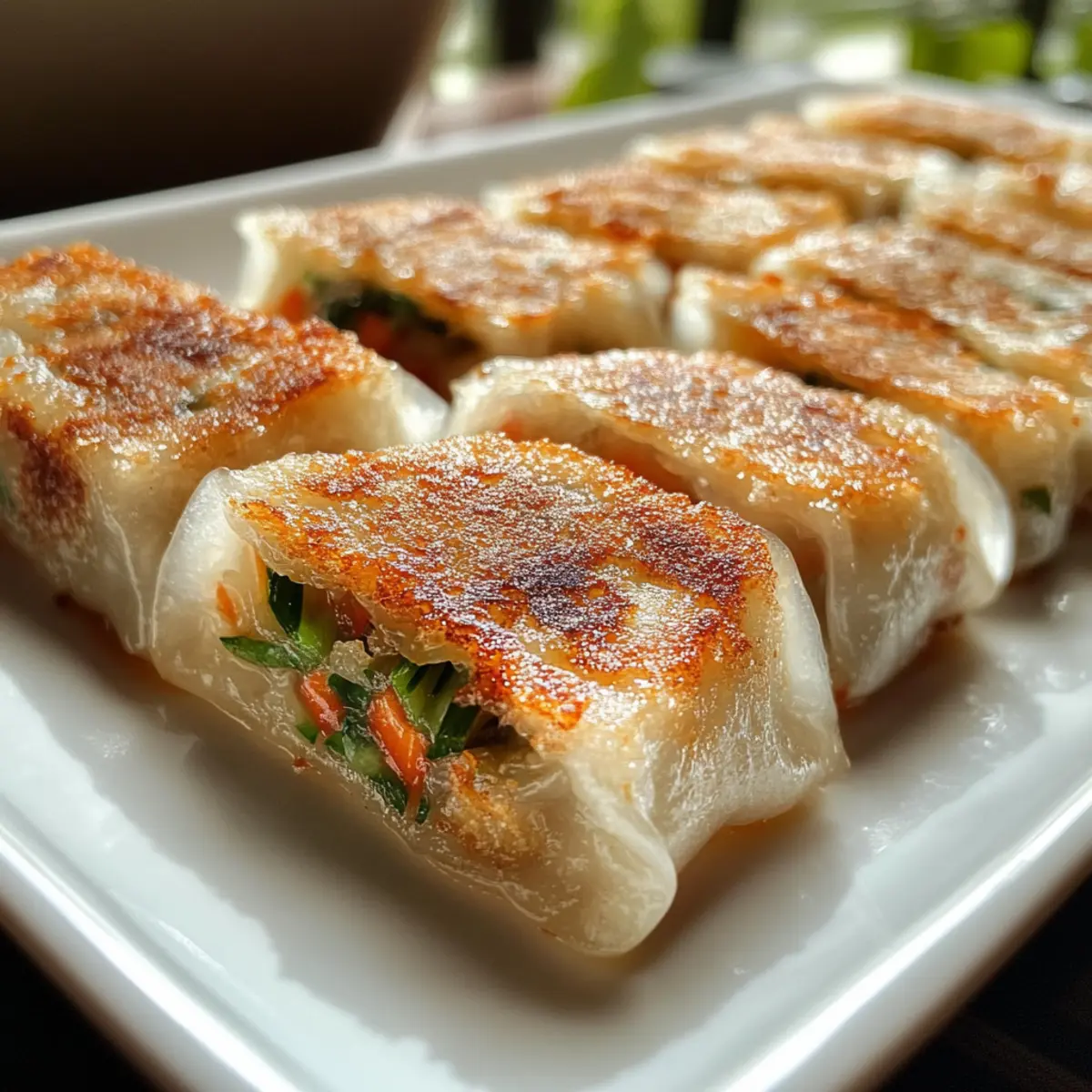
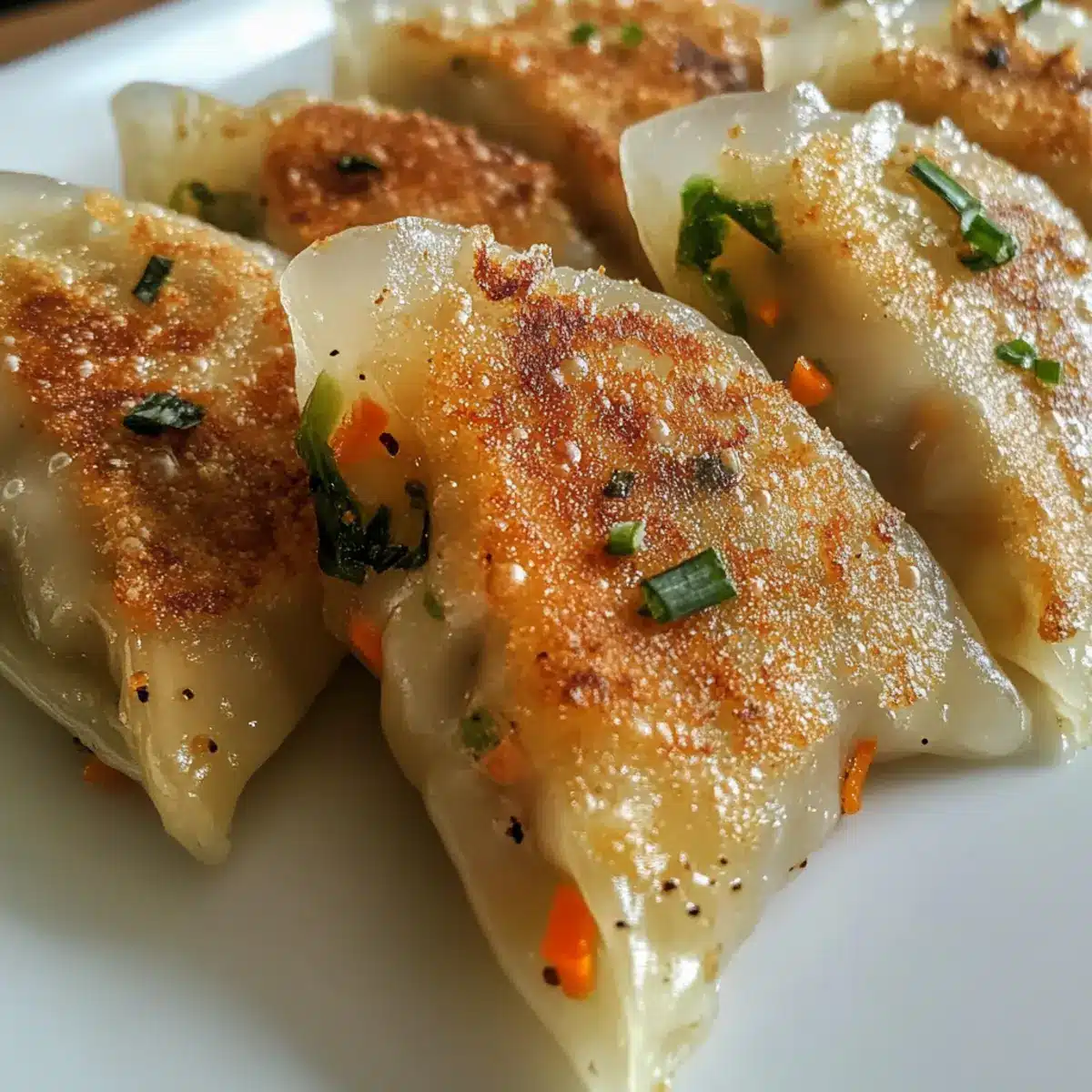
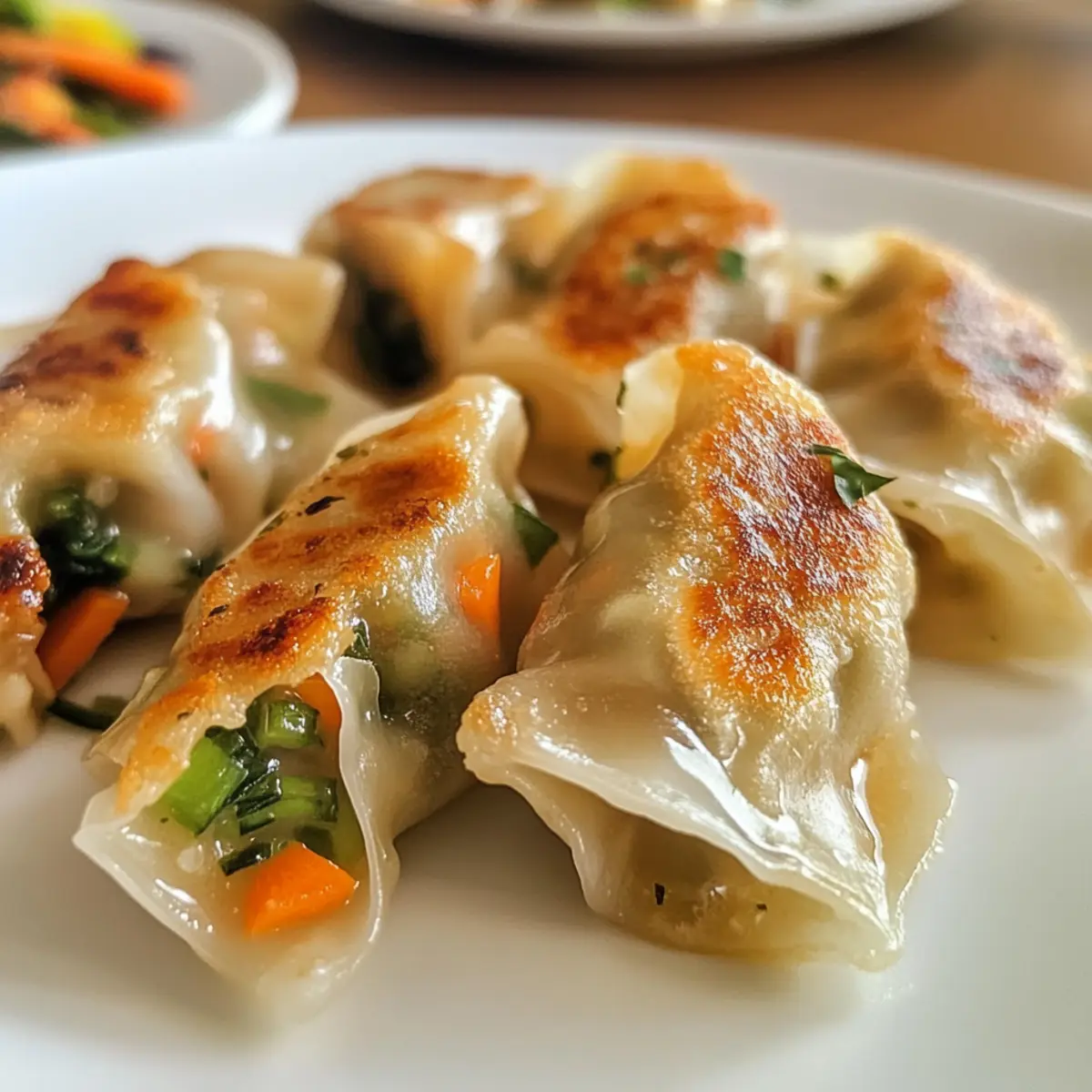
Garlic Ginger Chicken Potstickers: Irresistibly Homemade Bites

As I stood in my kitchen, the comforting aroma of garlic and ginger wafted through the air, instantly transporting me to a favorite local dumpling shop. Today, I’m thrilled to share my savory, homemade Garlic Ginger Chicken Potstickers with you. These little packets of joy not only pack a flavorful punch but are also incredibly easy to make and freezer-friendly—perfect for those busy weeknights or impromptu gatherings. Trust me; swapping out takeout for these delightful potstickers will elevate your dinner game and leave your family asking for seconds. Are you ready to roll up your sleeves and discover how to create these mouthwatering dumplings from scratch? Let’s dive in!

Why Are These Potstickers So Amazing?

Homemade Goodness: Crafting these Garlic Ginger Chicken Potstickers in your kitchen guarantees unparalleled freshness.

Bursting with Flavor: The perfect blend of garlic and ginger elevates each bite, making them irresistible.

Freezer-Friendly: Make a large batch and store them for quick meals—just pull them out and cook when hunger strikes!

Easy to Customize: Feel free to swap chicken for pork or turkey, adapting to your taste and dietary preferences.

Crowd-Pleaser: These potstickers are sure to impress at gatherings, rivaling your favorite takeout with their homemade charm!

Try pairing these delightful dumplings with a dipping sauce inspired by my Grilled Garlic Rosemary Smashed Potatoes for a complete meal that everyone will love!

Garlic Ginger Chicken Potstickers Ingredients

For the Filling
Ground Chicken Breast – Your primary protein choice; ground turkey or pork can be used for a tasty variation.
Diced Shiitake Mushrooms – Adds umami flavor and moisture; feel free to substitute with button mushrooms or leave out if not preferred.
Chopped Fresh Cilantro – Fresh herb enhancing flavor; substitute with parsley or omit if desired.
Green Onions – Provides a mild onion taste; red onions can be used for a stronger flavor.
Minced Garlic – Offers aromatic depth; use garlic powder if fresh isn’t available.
Reduced Sodium Soy Sauce – Essential for seasoning; tamari can replace it for a gluten-free option.
Toasted Sesame Oil – Adds a nutty flavor; avocado oil works well as a lighter alternative.
Freshly Grated Ginger – Imparts a zesty aroma; ground ginger can be a good substitute in a pinch.
Seasoned Rice Wine Vinegar – Adds tanginess; apple cider vinegar can provide a similar taste.
Freshly Ground Black Pepper – Provides spice; white pepper is a milder option.
Crushed Red Pepper Flakes (optional) – For a dash of heat; adjust to your spice preference or omit altogether.

For the Wrappers and Cooking
Wonton Wrappers – The perfect structure for your potstickers; if unavailable, pot sticker wrappers can be a suitable alternative.
Vegetable Oil – Necessary for frying; use any neutral oil like canola or grapeseed for best results.

Note: These Garlic Ginger Chicken Potstickers are not only easy to make but also ideal for freezing, ensuring you have delicious homemade dumplings on hand whenever cravings strike!

Step‑by‑Step Instructions for Garlic Ginger Chicken Potstickers

Step 1: Prepare Filling
In a large bowl, combine the ground chicken, diced shiitake mushrooms, chopped cilantro, and sliced green onions. Add in minced garlic, reduced sodium soy sauce, toasted sesame oil, freshly grated ginger, seasoned rice wine vinegar, and freshly ground black pepper. Mix all the ingredients thoroughly until well combined, making sure the flavors meld together beautifully. This flavorful filling is the heart of your Garlic Ginger Chicken Potstickers.

Step 2: Assemble Potstickers
Take a wonton wrapper and place about 1 tablespoon of the chicken filling in the center. Moisten the edges of the wrapper with water to help seal them. Carefully fold the wrapper in half over the filling, creating a triangle shape, and pinch the edges tightly to prevent any leaks during cooking. You can even create pleats along the edges for a decorative touch. Repeat this process until all your filling is used up.

Step 3: Cook Potstickers
In a large cast iron skillet, heat 2 tablespoons of vegetable oil over medium heat until shimmering. Once hot, carefully place the potstickers in a single layer in the skillet, ensuring they do not touch. Cook the potstickers for about 2-3 minutes or until the bottoms turn a golden brown and crisp, allowing the beautiful texture to develop. Be patient—this step is key to achieving that delightful crunch!

Step 4: Steam Potstickers
Quickly add 1/4 cup of water to the skillet and cover it with a lid immediately to trap the steam inside. Let the potstickers steam for 2-4 minutes, or until the water evaporates completely and you see the bottoms are golden and crisp. Carefully remove the lid, letting some steam escape to avoid burns. Your Garlic Ginger Chicken Potstickers should now be perfectly cooked with a tender upper layer and a crisp bottom.

Step 5: Serve
Transfer the potstickers to a serving plate and serve them hot. Feel free to pair your delicious Garlic Ginger Chicken Potstickers with a homemade dipping sauce of soy sauce mixed with rice wine vinegar and a dash of chili oil for an extra flavor boost. These potstickers are a delightful treat that will leave your guests asking for seconds!

Storage Tips for Garlic Ginger Chicken Potstickers

Room Temperature: Enjoy cooked potstickers within 2 hours of preparation. If left out longer, refrigerate to maintain freshness.

Fridge: Store leftover potstickers in an airtight container for up to 3-4 days. Reheat in a skillet with a splash of water to steam and revive their texture.

Freezer: For longer storage, freeze uncooked potstickers on a baking sheet until firm, then transfer to a resealable freezer bag. They can last up to 2 months.

Reheating: Cook frozen potstickers directly from the freezer; add an extra few minutes to the cooking time to ensure they are thoroughly heated. Enjoy your homemade Garlic Ginger Chicken Potstickers at your convenience!

What to Serve with Garlic Ginger Chicken Potstickers

These delightful potstickers create a perfect opportunity for a full meal experience, bringing flavors to life and enticing everyone at your table.

  • Steamed Broccoli: This simple, vibrant side adds a crunchy texture and a healthy touch. Toss it with a little soy sauce and sesame oil for an Asian-inspired flair.

  • Sweet and Spicy Dipping Sauce: Mixing soy sauce, rice vinegar, and a hint of honey elevates the potstickers, providing a balanced accompaniment that excites the palate.

  • Cucumber Salad: Crisp and refreshing, a cucumber salad with rice vinegar and sesame seeds offers a crunchy contrast to the chewy dumplings. It’s light yet flavorful, making it a delightful addition to your meal.

  • Fried Rice: Whip up a quick veggie or chicken fried rice side, complementing the potstickers with hearty grains and scrambled eggs. The savory flavors work harmoniously together, making each bite memorable.

  • Miso Soup: Warm and soothing, miso soup is a classic pairing that offers umami depth. It balances the meal beautifully, warming you from the inside out on chilly nights.

  • Chilled Green Tea: Quench your thirst with a refreshing glass of chilled green tea, which cleanses the palate and enhances the flavors of your chicken potstickers.

  • Sesame Noodles: Creamy sesame dressing over noodles adds a delightful richness, creating a perfect complement to the texture and flavors of the potstickers.

  • Fruit Sorbet: For dessert, opt for a light fruit sorbet to cleanse the palate after the savory meal. Its sweetness brings a delightful close to this culinary adventure.

Expert Tips for Garlic Ginger Chicken Potstickers

  • Seal Success: Ensure the edges of the wonton wrappers are thoroughly moistened and pinched tightly to avoid any leaks during cooking.

  • Crispy Perfection: For a perfectly crispy bottom, don’t overcrowd the skillet when frying potstickers; this allows them to brown evenly.

  • Steaming Secrets: When adding water for steaming, do it quickly and cover immediately to retain maximum steam for better cooking results.

  • Freezer-Friendly: Flash freeze assembled potstickers on a baking sheet before placing them in a resealable freezer bag; this prevents them from sticking together.

  • Filling Variations: Feel free to mix in finely chopped veggies or substitute chicken with pork or turkey for unique flavor profiles in your Garlic Ginger Chicken Potstickers.

Make Ahead Options

These Garlic Ginger Chicken Potstickers are perfect for meal prep aficionados! You can assemble the potstickers and refrigerate them for up to 24 hours before cooking, ensuring they stay fresh and flavorful. Alternatively, flash freeze the assembled potstickers on a baking sheet, then transfer them to a resealable freezer bag for up to 2 months. This technique prevents sticking and keeps them ready for quick meals. When you’re ready to enjoy these delicious bites, cook them straight from frozen—just add a couple of extra minutes to the steaming time for perfect results. With these make ahead tips, you can cut down on dinner prep stress and savor restaurant-quality flavors at home!

Garlic Ginger Chicken Potstickers Variations

Feel free to get creative and customize these potstickers to suit your taste buds!

  • Turkey Swap: Replace ground chicken with ground turkey for a leaner option; the flavor remains mouthwatering.
  • Pork Delight: Try using ground pork instead of chicken for a richer, juicier filling that adds depth to your dumplings.
  • Vegetarian Version: Use plant-based ground meat or a mix of finely chopped vegetables and tofu for a delightful veggie twist.
  • Umami Boost: Sprinkle in some chopped water chestnuts for a delightful crunch and additional flavor layers.
  • Extra Greens: Incorporate finely chopped kale or spinach into the filling for extra nutrition without sacrificing flavor.
  • Spice It Up: Add fresh minced chili peppers or sriracha to the filling for a zesty and fiery kick.
  • Herb Swaps: For a different taste profile, swap cilantro for fresh basil or mint to refresh the flavor.
  • Different Dipping Sauces: Pair your potstickers with unique sauces like sweet chili sauce or sesame ginger for added flair.

Feel inspired? These variations will keep your Garlic Ginger Chicken Potstickers exciting every time you make them! Want to elevate your meal? Try serving them alongside my delightful Grilled Chicken Sandwich for a scrumptious feast!

Garlic Ginger Chicken Potstickers Recipe FAQs

What type of chicken is best for these potstickers?
Absolutely! Ground chicken breast is the primary choice for these Garlic Ginger Chicken Potstickers, but you can also use ground turkey or pork if you prefer. Just ensure the meat you choose is finely ground for the best texture and flavor absorption.

How should I store leftover potstickers?
Very! Store any leftover potstickers in an airtight container in your refrigerator for up to 3-4 days. When you’re ready to enjoy them again, reheat them in a skillet with a splash of water for steaming—this method revives their delightful texture!

Can I freeze the potstickers, and if so, how?
Certainly! To freeze your Garlic Ginger Chicken Potstickers, flash freeze them by placing the assembled potstickers on a baking sheet until firm—usually about 1 hour. Once they’re solid, transfer them to a resealable freezer bag. They can be kept in the freezer for up to 2 months. When you’re ready to cook, just pull them directly from the freezer and cook for a few extra minutes!

What do I do if my potstickers are leaking during cooking?
Not to worry! If your potstickers start leaking, this usually means the edges weren’t sealed tightly enough. Make sure to moisten the edges of the wonton wrappers before sealing and press firmly to prevent any gaps. If they still leak, reduce the heat slightly while cooking to allow the dumplings to firm up without burning.

Can I use any other vegetables in the filling?
Absolutely! Feel free to get creative. You can add finely chopped vegetables like carrots, bok choy, or even bell peppers into your filling for added nutrition and texture. Just remember to keep the total filling moisture consistent to avoid soggy wrappers!

Garlic Ginger Chicken Potstickers

Garlic Ginger Chicken Potstickers: Irresistibly Homemade Bites

Homemade Garlic Ginger Chicken Potstickers are delicious, easy to make, and perfect for freezing.
Prep Time 30 minutes
Cook Time 15 minutes
Total Time 45 minutes
Servings: 4 potstickers
Course: Appetizer
Cuisine: Asian
Calories: 250

Ingredients
  

For the Filling
  • 1 pound Ground Chicken Breast or ground turkey or pork
  • 1 cup Diced Shiitake Mushrooms or button mushrooms
  • 1/4 cup Chopped Fresh Cilantro or parsley
  • 1/4 cup Green Onions sliced
  • 2 cloves Minced Garlic or garlic powder
  • 3 tablespoons Reduced Sodium Soy Sauce or tamari for gluten-free
  • 1 tablespoon Toasted Sesame Oil or avocado oil
  • 1 tablespoon Freshly Grated Ginger or ground ginger
  • 1 tablespoon Seasoned Rice Wine Vinegar or apple cider vinegar
  • 1/2 teaspoon Freshly Ground Black Pepper or white pepper
  • 1/4 teaspoon Crushed Red Pepper Flakes optional
For the Wrappers and Cooking
  • 1 package Wonton Wrappers or pot sticker wrappers
  • 2 tablespoons Vegetable Oil or any neutral oil

Equipment

  • large bowl
  • cast-iron skillet

Method
 

Step-by-Step Instructions for Garlic Ginger Chicken Potstickers
  1. In a large bowl, combine the ground chicken, diced shiitake mushrooms, chopped cilantro, and sliced green onions. Add in minced garlic, reduced sodium soy sauce, toasted sesame oil, freshly grated ginger, seasoned rice wine vinegar, and freshly ground black pepper. Mix all the ingredients thoroughly until well combined.
  2. Take a wonton wrapper and place about 1 tablespoon of the chicken filling in the center. Moisten the edges of the wrapper with water to help seal them. Carefully fold the wrapper in half over the filling, creating a triangle shape, and pinch the edges tightly. Repeat this process until all your filling is used up.
  3. In a large cast iron skillet, heat 2 tablespoons of vegetable oil over medium heat. Place the potstickers in a single layer and cook for about 2-3 minutes, or until the bottoms turn golden brown.
  4. Quickly add 1/4 cup of water to the skillet and cover it with a lid immediately. Let the potstickers steam for 2-4 minutes, or until the water evaporates completely.
  5. Transfer the potstickers to a serving plate and serve hot with a dipping sauce of soy sauce mixed with rice wine vinegar and a dash of chili oil.

Nutrition

Serving: 2potstickersCalories: 250kcalCarbohydrates: 20gProtein: 15gFat: 12gSaturated Fat: 2gPolyunsaturated Fat: 2gMonounsaturated Fat: 8gCholesterol: 60mgSodium: 600mgPotassium: 250mgFiber: 1gSugar: 1gVitamin A: 500IUVitamin C: 5mgCalcium: 30mgIron: 1mg

Notes

These Garlic Ginger Chicken Potstickers are ideal for freezing, ensuring delicious homemade dumplings whenever cravings strike.

Tried this recipe?

Let us know how it was!

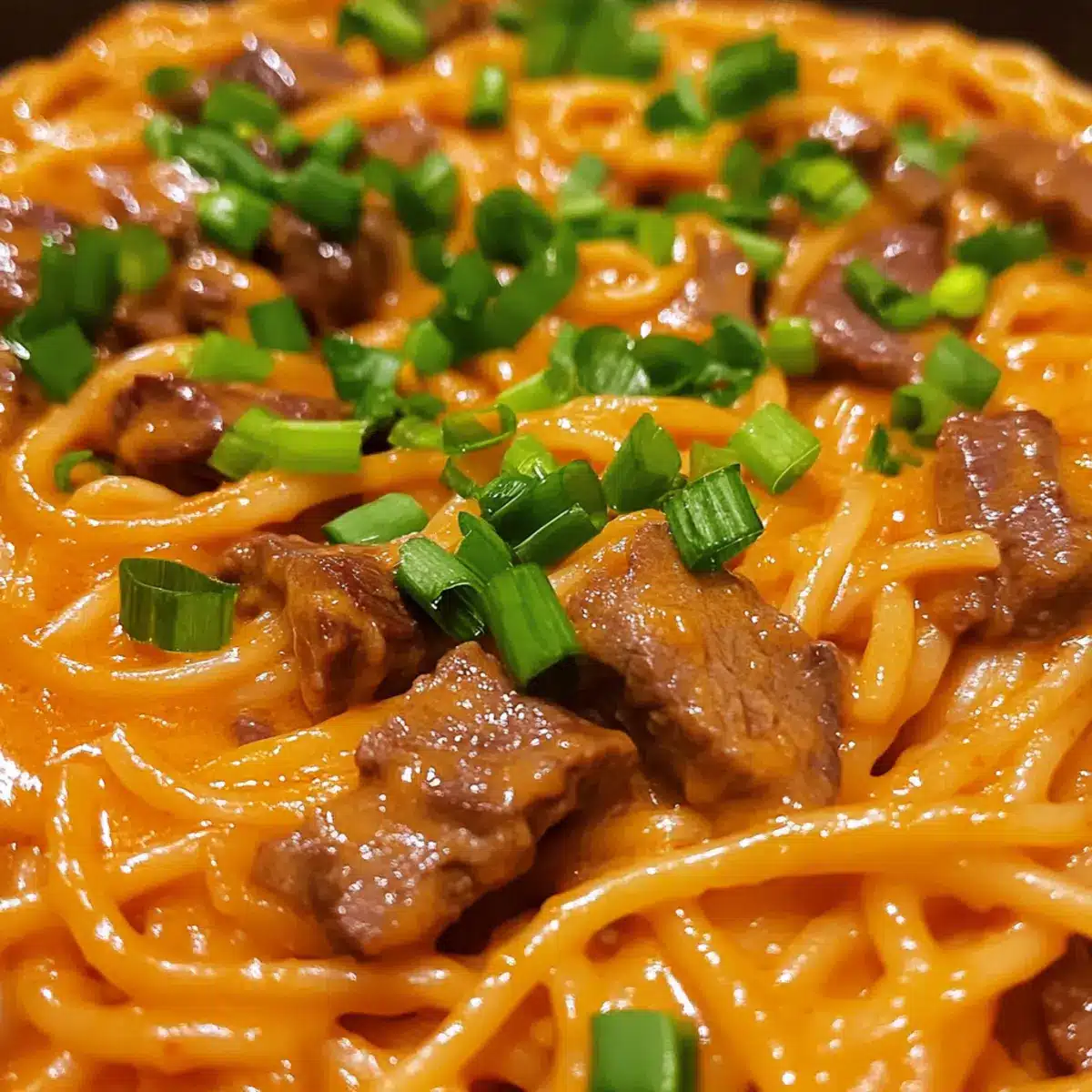
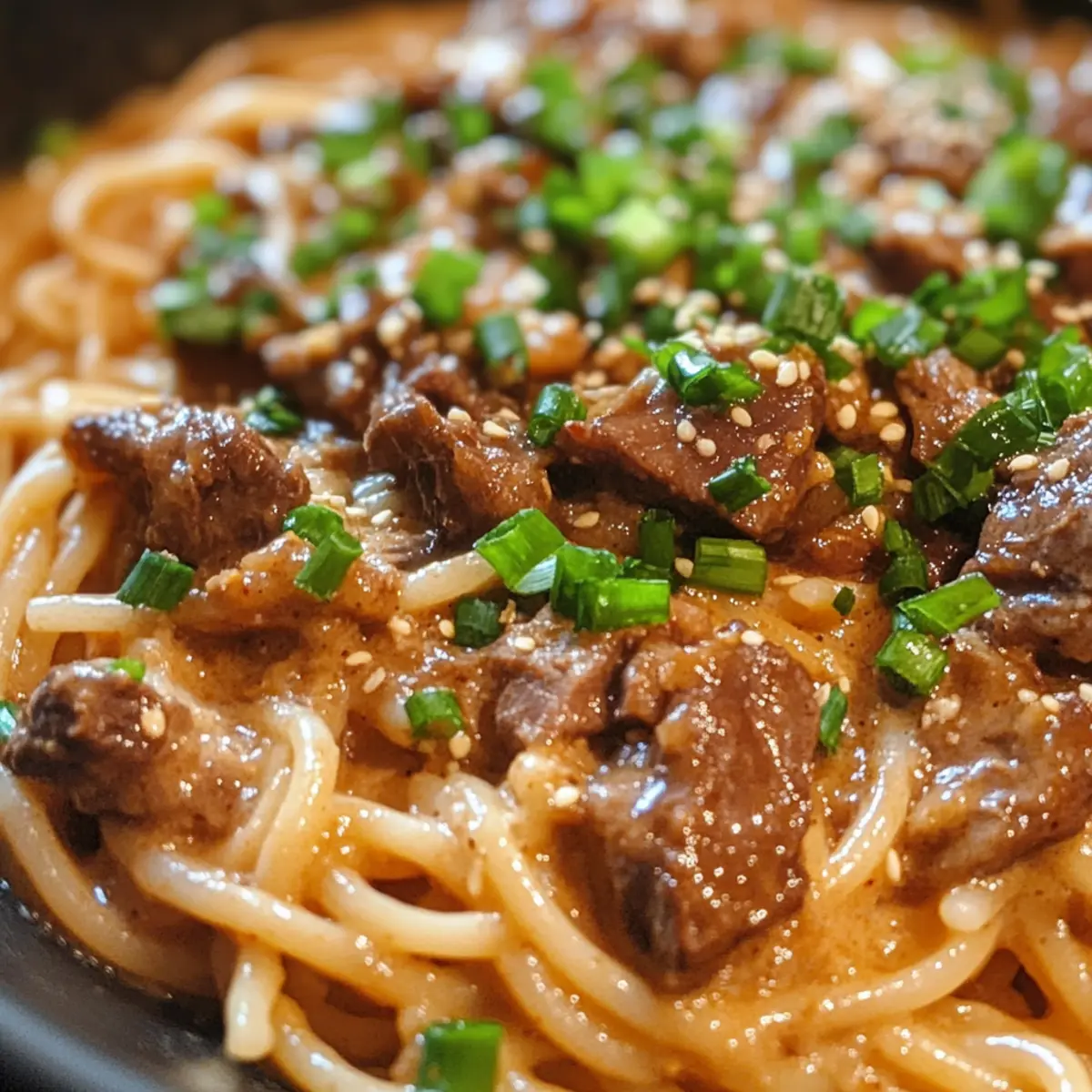
Creamy Korean Ssamjang Pasta That Will Wow Your Taste Buds

In the midst of a bustling kitchen, I found myself pondering the weeknight dilemma: how to elevate family favorites without spending hours on dinner. That’s when inspiration struck—why not merge the comforting allure of pasta with the bold flavors of Korean cuisine? Enter the Creamy Korean Ssamjang Pasta! This delightful fusion dish brings together the umami-packed sauce of ssamjang and silky spaghetti, creating a quick, crowd-pleasing meal that’s perfect for both busy nights and cozy gatherings. With a few simple ingredients, you can whip up a creamy indulgence that caters to all palates, including options for vegetarian friends. Ready to transform your dinner repertoire? Let’s dive into this flavorful adventure!

Why Is This Pasta Dish So Unique?

Fusion Delight: This Creamy Korean Ssamjang Pasta is a delicious blend of Italian and Korean flavors, ensuring a unique dining experience that transforms your regular pasta night.
Quick and Easy: With minimal prep time, you can craft this dish in under 30 minutes, making it perfect for busy weeknights or last-minute guests.
Crowd-Pleaser: Its creamy sauce and savory taste appeal to all, whether you’re cooking for family or hosting friends.
Vegetarian-Friendly: Easily adaptable for vegetarian diets, just swap out beef for sautéed mushrooms or tofu without sacrificing flavor.
Innovative Garnishes: Top with soft-boiled eggs or fresh kimchi for an extra punch, enhancing the dish’s appeal and presentation.

Creamy Korean Ssamjang Ingredients

For the Pasta

  • Spaghetti – This classic pasta provides a perfect base; feel free to use penne or fusilli for a fun twist.

For the Sauce

  • Ssamjang (Korean dipping sauce) – This umami-packed sauce is crucial for flavor; no direct substitutes exist, but a mix of miso and chili paste can suffice in a pinch.
  • Cream – Adds a luscious creaminess; add gradually to prevent an overly runny sauce.

For Protein

  • Beef Belly – Offers rich flavor and texture; substitute with sautéed mushrooms or tofu for a vegetarian-friendly dish.

For Seasoning and Garnish

  • Salt and Pepper – Essential for perfecting the taste; adjust according to your preference.
  • Green Onions – Not just for garnish, they add a fresh crunch; consider topping with soft-boiled eggs for extra indulgence.

For the Authentic Touch

  • Kimchi – Adds a delightful side of spice and tradition; serve alongside for an authentic Korean experience.

This Creamy Korean Ssamjang Pasta is ready to transform your dinner game with a burst of flavor and comfort!

Step‑by‑Step Instructions for Creamy Korean Ssamjang Pasta

Step 1: Cook the Pasta
Begin by bringing a large pot of salted water to a rolling boil. Add the spaghetti and cook according to package instructions, usually about 8-10 minutes, until al dente. Stir occasionally to prevent the noodles from sticking. Once done, reserve about a cup of the pasta water, then drain and set the spaghetti aside in the colander.

Step 2: Prepare the Beef Belly
In a large skillet over medium heat, add the beef belly, cooking for approximately 5-7 minutes until it’s beautifully browned and crispy on the edges. Using a slotted spoon, carefully remove the beef from the skillet and place it on a paper towel-lined plate to let it rest. This will ensure the meat stays juicy and flavorful.

Step 3: Make the Creamy Ssamjang Sauce
In the same skillet, lower the heat and add the ssamjang and cream. Stir vigorously for about 2-3 minutes until the mixture is well combined and heated through, creating a smooth, creamy texture. The rich colors and aroma will signal that your sauce is ready to embrace the pasta.

Step 4: Combine Pasta and Sauce
Return the rested beef belly to the skillet with the creamy ssamjang sauce. Add the drained spaghetti and toss gently to coat each strand with the luscious sauce. This should take about 1-2 minutes, allowing the spaghetti to absorb the flavors while ensuring every bite is covered in that creamy goodness.

Step 5: Adjust Sauce Consistency
To achieve your desired sauce thickness, gradually stir in some of the reserved pasta water, a few tablespoons at a time. Mix well for another minute until the sauce reaches the perfect consistency; it should cling to the pasta without being too runny. Taste and season with salt and pepper as necessary.

Step 6: Serve and Garnish
Plate the Creamy Korean Ssamjang Pasta immediately, garnishing with freshly chopped green onions on top. For an extra layer of flavor, consider adding soft-boiled eggs or serving with a side of kimchi. Enjoy this delightful fusion of flavors while everything is still warm and creamy!

Creamy Korean Ssamjang Variations

Customize your Creamy Korean Ssamjang Pasta to suit your taste buds and dietary needs—it’s all about the flavors you love!

  • Vegetarian Swap: Replace beef with sautéed mushrooms or tofu for a satisfying plant-based meal. This change keeps the essence of the dish while making it enjoyable for everyone.
  • Spicy Kick: Add finely chopped chili peppers or a teaspoon of chili flakes for extra heat. Spice lovers will relish this fiery twist!
  • Creamy Delight: For a lighter version, substitute half of the cream with Greek yogurt, maintaining the rich texture while adding tang.
  • Colorful Veggies: Toss in fresh spinach or bell peppers during the sauce-making process for a pop of color and added nutrients. It’s a wonderful way to sneak in some veggies!
  • Alternative Pastas: Switch spaghetti for whole wheat, gluten-free, or even zucchini noodles for a health-conscious option. Each choice brings a different flavor and texture to the table.
  • Herb Infusion: Sprinkle in fresh herbs like cilantro or basil just before serving to elevate flavors and present a fresh aroma. It can create a beautiful contrast to the rich sauce.
  • Umami Boost: Enhance depth by adding a splash of soy sauce or a teaspoon of fish sauce immersed in the creamy mix. These additions create a savory explosion with each bite.

If you’re ever in the mood for another flavor-packed dinner, why not try out the enticing Spicy Korean Gochujang Beef Noodles? Or perhaps the delightful Korean Steak Sandwich with Garlic Mayo for something a little different? Each variation offers a new culinary adventure! Enjoy exploring the flavors!

Expert Tips for Creamy Korean Ssamjang Pasta

  • Pasta Perfection: Always cook spaghetti al dente; overcooking can lead to mushy pasta that won’t hold the creamy sauce well.

  • Reserve Water Wisely: Remember to save that pasta water! It’s the secret ingredient for achieving the perfect silky sauce consistency in your Creamy Korean Ssamjang Pasta.

  • Beef Resting: Don’t skip letting the beef belly rest after cooking; this locks in juices, ensuring each bite is tender and flavorful.

  • Taste Test: Continuously taste your sauce while cooking; adjusting salt and pepper to preference is key to bringing out the rich, umami flavors.

  • Garnish Generously: Elevate your dish with garnishes like green onions and kimchi to add color and an authentic Korean flare that delights the senses.

Make Ahead Options

These Creamy Korean Ssamjang Pasta ingredients are perfect for meal prep enthusiasts! You can prepare the creamy ssamjang sauce and cook the beef belly up to 24 hours in advance, refrigerating them in airtight containers. When you’re ready to serve, simply reheat the sauce in a skillet over medium heat while boiling fresh spaghetti. Adding the reserved pasta water will help maintain the sauce’s creamy texture. To prevent the beef from drying out, ensure it’s covered well during storage. By pre-prepping these components, you’ll enjoy a delicious, restaurant-quality dinner with minimal effort on busy weeknights!

How to Store and Freeze Creamy Korean Ssamjang Pasta

Fridge: Store leftover Creamy Korean Ssamjang Pasta in an airtight container for up to 3 days. Reheat gently on the stovetop with a splash of reserved pasta water to restore creaminess.

Freezer: For longer storage, freeze the pasta in a freezer-safe container for up to 2 months. When ready to enjoy, thaw in the fridge overnight before reheating.

Reheating: Always add a little reserved pasta water while reheating to maintain the sauce’s luscious texture and flavor.

Avoid Overcrowding: If freezing, portion the pasta into individual servings so you can enjoy the perfect amount without thawing the entire batch.

What to Serve with Creamy Korean Ssamjang Pasta

The perfect meal is always about balance—flavorful pairings can elevate your culinary experience!

  • Kimchi: This spicy, fermented side adds vibrant flavor and crunch, creating a delightful contrast to the creamy pasta.
  • Garlic Bread: A crispy and buttery addition that brings comforting warmth, making every bite a heartwarming experience.
  • Steamed Broccoli: Adding a fresh, green element, it enhances the dish’s nutritional value without overwhelming the flavors.
  • Sesame Spinach Salad: A light, refreshing salad dressed with sesame seeds complements the rich pasta beautifully, offering a taste of harmony.
  • Crispy Tofu Bites: For a vegetarian touch, these bites provide a satisfying texture that pairs well with the creamy sauce.
  • Crisp White Wine: A chilled glass balances the richness of the dish, enhancing the meal with its zesty notes.
  • Soft-Boiled Eggs: Creamy and lush, these eggs make an indulgent topping and can also serve as a delightful garnish.

Creamy Korean Ssamjang Pasta Recipe FAQs

What type of spaghetti should I use?
Absolutely! While spaghetti is a classic choice, feel free to experiment with other pasta types like penne or fusilli. Each shape will bring a unique texture to your Creamy Korean Ssamjang Pasta, making it fun to find your favorite!

How should I store leftover Creamy Korean Ssamjang Pasta?
Store any leftovers in an airtight container in the fridge for up to 3 days. To reheat, add a splash of reserved pasta water in a skillet over low heat. This will help restore the creaminess of the sauce, making it just as delightful as when you first made it!

Can I freeze Creamy Korean Ssamjang Pasta?
Yes, you can freeze this pasta dish! Transfer it to a freezer-safe container, and it will keep well for up to 2 months. When you’re ready to enjoy it again, thaw it overnight in the fridge and reheat with a little reserved pasta water for the best texture.

What if my sauce is too thick or too thin?
No worries! If your sauce is too thick, add reserved pasta water a tablespoon at a time until you reach your desired consistency. On the flip side, if it’s too thin, let it simmer on low heat for a few extra minutes, which helps thicken it up. Keep tasting and adjusting until it’s just right!

Can I make this recipe vegetarian?
Very much so! To adapt your Creamy Korean Ssamjang Pasta for a vegetarian diet, simply replace the beef belly with sautéed mushrooms or tofu. This will still give you that hearty texture while allowing you to enjoy the flavorful creamy sauce.

What toppings pair well with this dish?
I highly recommend garnishing with fresh green onions and serving with a side of kimchi for that authentic Korean kick! You could also add soft-boiled eggs on top for a rich, creamy texture that enhances the overall dish. The more the merrier when it comes to flavor!

Creamy Korean Ssamjang

Creamy Korean Ssamjang Pasta That Will Wow Your Taste Buds

Experience the delicious blend of Italian and Korean flavors with this Creamy Korean Ssamjang Pasta, perfect for weeknight dinners.
Prep Time 10 minutes
Cook Time 20 minutes
Total Time 30 minutes
Servings: 4 servings
Course: Dinner
Cuisine: Italian, Korean
Calories: 650

Ingredients
  

For the Pasta
  • 8 oz Spaghetti Can substitute with penne or fusilli.
For the Sauce
  • 3 tbsp Ssamjang Essential for authentic flavor.
  • 1 cup Cream Add gradually to achieve desired creaminess.
For Protein
  • 1 lb Beef Belly Substitute with mushrooms or tofu for vegetarian.
For Seasoning and Garnish
  • to taste Salt Essential for flavor.
  • to taste Pepper Essential for flavor.
  • 2 tbsp Green Onions Chopped, for garnish.
For the Authentic Touch
  • 1 cup Kimchi Serve alongside for extra spice.

Equipment

  • large pot
  • Skillet
  • colander
  • slotted spoon

Method
 

Cooking Steps
  1. Begin by bringing a large pot of salted water to a rolling boil. Add the spaghetti and cook according to package instructions, usually about 8-10 minutes, until al dente. Reserve about a cup of pasta water, then drain and set aside.
  2. In a large skillet over medium heat, add the beef belly, cooking for approximately 5-7 minutes until browned and crispy. Remove from skillet and let rest on a paper towel-lined plate.
  3. In the same skillet, lower the heat and add the ssamjang and cream. Stir for about 2-3 minutes until well combined and heated through.
  4. Return the rested beef belly to the skillet, add the drained spaghetti, and toss gently to coat each strand.
  5. Gradually stir in reserved pasta water to adjust sauce consistency. Taste and season with salt and pepper as necessary.
  6. Plate immediately, garnishing with chopped green onions and optionally soft-boiled eggs or kimchi. Serve warm.

Nutrition

Serving: 1servingCalories: 650kcalCarbohydrates: 80gProtein: 30gFat: 25gSaturated Fat: 15gPolyunsaturated Fat: 1gMonounsaturated Fat: 5gCholesterol: 70mgSodium: 900mgPotassium: 600mgFiber: 3gSugar: 4gVitamin A: 500IUVitamin C: 2mgCalcium: 100mgIron: 3mg

Notes

Store leftovers in an airtight container for up to 3 days in the fridge. Can freeze for up to 2 months. Reheat with reserved pasta water for best results.

Tried this recipe?

Let us know how it was!

Crispy Rice Paper Dumplings: A Crunchy Joy to Your Plate

As I stood in my kitchen, the enticing scent of sizzling vegetables filled the air, immediately transporting me to bustling Asian street markets where the sound of golden dumplings being fried is a familiar melody. Today, I’m thrilled to share my recipe for Crispy Rice Paper Dumplings. In just 20 minutes, you can whip up these delightful bites that are not only quick and easy but also gluten-free and fully customizable with your choice of fillings, whether you’re leaning towards a vibrant vegan mix or a savory meat option. Perfect as an appetizer for a dinner party or a cozy family meal, these dumplings are designed to impress. What will you fill yours with? Let’s get cooking!

Why Are These Dumplings a Must-Try?

Quick Preparation: You can whip up these crispy rice paper dumplings in just 20 minutes! Perfect for a busy weeknight or last-minute gathering.

Customizable Fillings: Whether you’re vegan or a meat lover, this recipe allows you to tailor the filling to your taste—use tofu, lentils, or even shrimp!

Gluten-Free Delight: This dish serves those who seek out gluten-free meals without sacrificing flavor. Perfect for everyone at the table!

Crowd-Pleasing Flavor: Serve them at your next dinner party alongside a tangy dipping sauce and watch them disappear! Pair them with a fresh cucumber salad or a side of Curry Soup Dumplings for a rounded meal experience.

Texture Perfection: Experience the satisfying crunch of the golden exterior juxtaposed with a flavorful filling! This combination is sure to impress.

Crispy Rice Paper Dumplings Ingredients

For the Dumplings

  • Rice Paper – Use round sheets designed for dumplings for the perfect crispy exterior.
  • Firm Tofu – Crumble for protein and texture; substitute with ground chicken or shrimp for a non-vegan option.
  • Mushrooms – Add umami depth; shiitake or baby bella works great!
  • Carrots – Shredded for color and sweetness; finely shred for even cooking.
  • Green Cabbage – Provides bulk and crunch; napa cabbage is a suitable substitute.
  • Spring Onions – Chopped for a fresh, mild flavor; an easy way to enhance the filling.
  • Garlic – Fresh minced garlic brings aromatic richness; avoid dried for best flavor.
  • Ginger – Freshly grated or minced for warmth and spice; adds a delightful zing.
  • Salt and Pepper – Essential for seasoning; adjust to taste for a well-rounded flavor.

For Sautéing

  • Olive Oil – Used to sauté the filling; contributes to the overall flavor profile.
  • Soy Sauce – Adds savory umami; swap for tamari to make it gluten-free.
  • Sesame Oil – Optional for an extra layer of nuttiness; a little goes a long way!

For Cooking

  • Olive Oil – Additional olive oil for frying the dumplings until they’re golden brown and crisp.

These Crispy Rice Paper Dumplings are not only versatile but perfect for any occasion. Enjoy customizing them to your taste!

Step‑by‑Step Instructions for Crispy Rice Paper Dumplings

Step 1: Prepare the Filling
Finely shred the green cabbage and carrots, and dice the garlic and mushrooms. Crumble the firm tofu into small pieces to ensure it’s evenly distributed. This colorful mixture will create a delicious filling for your crispy rice paper dumplings. Gather all the ingredients in a large mixing bowl, ready for sautéing.

Step 2: Sauté the Filling
In a skillet, heat 1 tablespoon of olive oil over medium heat until shimmering. Add the diced mushrooms and sauté for about 3-4 minutes until they turn golden and fragrant. Next, stir in the shredded cabbage, carrots, crumbled tofu, ginger, soy sauce, sesame oil, salt, and pepper. Cook until the vegetables are tender, about 3-5 more minutes, then mix in the chopped spring onions.

Step 3: Wrap the Dumplings
Fill a shallow dish with warm water and dip a rice paper sheet in it for 5-10 seconds until it softens but remains intact. Place the softened rice paper on a damp surface. Spoon a small amount of the filling into the center of the wrapper, fold the sides over, and roll it up tightly, sealing the edges. For added durability, layer a second sheet of rice paper before filling and folding.

Step 4: Pan-Fry the Dumplings
In a clean skillet, heat another tablespoon of olive oil over medium-high heat. When hot, carefully place the dumplings seam-side down in the skillet. Fry for 2-3 minutes on each side, until they are golden brown and crispy. Adjust the heat as needed to avoid burning, ensuring a perfect crunch on the outside.

Step 5: Serve
Once your crispy rice paper dumplings are beautifully browned, transfer them to a plate lined with paper towels to absorb any excess oil. Serve them hot with your choice of dipping sauce, such as sweet chili or soy sauce. These dumplings are best enjoyed fresh for that delightful crunch!

Expert Tips for Crispy Rice Paper Dumplings

  • Soak Wisely: Briefly soak the rice paper in warm water for 5-10 seconds to avoid tearing. Too long can make it limp and difficult to work with.

  • Double Layer: For extra crispiness and durability, consider layering two sheets of rice paper. This technique helps maintain the dumpling’s structure during frying.

  • Heat Control: Maintain a medium-high heat while frying. This prevents the dumplings from getting soggy and ensures a perfect golden crust on your crispy rice paper dumplings.

  • Serve Immediately: Enjoy the dumplings right after frying for maximum crunch. Leftovers can become chewy, so plan to serve them fresh and hot.

  • Experiment with Fillings: Don’t hesitate to get creative with your filling! Mix and match ingredients to suit your taste—vegan, meat-filled, or spicy options are all delicious.

Make Ahead Options

These Crispy Rice Paper Dumplings are a fantastic choice for meal prep enthusiasts looking to save time during busy weeknights! You can prepare the filling up to 3 days in advance; simply store it in an airtight container in the refrigerator to keep it fresh and flavorful. If you’re thinking ahead, you can also wrap the uncooked dumplings and freeze them for up to 3 months—just be sure to fry them directly from frozen, adding an extra few minutes of cooking time. When you’re ready to serve, pan-fry the frozen dumplings until golden and crispy, and enjoy the perfectly crunchy texture, just as delicious as when made fresh!

How to Store and Freeze Crispy Rice Paper Dumplings

  • Fridge: Store leftover crispy rice paper dumplings in an airtight container for up to 3 days to maintain their freshness.
  • Freezer: Uncooked dumplings can be frozen for up to 3 months; ensure they are separated to prevent sticking. Fry directly from frozen, adding a few extra minutes of cooking time.
  • Reheating: For best results, reheat leftovers in a skillet over medium heat for a few minutes to restore their crispiness. Avoid microwaving, which can make them soggy.
  • Preparation Ahead: The filling can be prepared up to 3 days in advance and stored in the fridge, making assembly quick and easy when you’re ready to cook your crispy rice paper dumplings!

What to Serve with Crispy Rice Paper Dumplings?

These delightful bites not only shine on their own but also pair beautifully with a variety of dishes that will round out your meal.

  • Zesty Cucumber Salad: Refreshingly crunchy, this light salad complements the fried dumplings with a burst of coolness, brightening up each bite.

  • Sweet Chili Dipping Sauce: Serve with a homemade or store-bought sweet chili sauce that adds a fantastically sweet and tangy kick, enhancing the flavors of the dumplings.

  • Crispy Vegetable Stir-Fry: A colorful array of sautéed vegetables adds vibrant textures and nutrients to your meal, creating a wonderful balance with the dumplings.

  • Miso Soup: Warm, comforting miso soup offers a subtle umami flavor which pairs perfectly with the crispy exterior and rich filling of the dumplings.

  • Energizing Quinoa Salad: Tossed with fresh herbs and light dressing, this protein-packed salad provides a nutty flavor that complements the dumplings without overwhelming them.

  • Chilled Green Tea: Enhance your dining experience with a refreshing glass of chilled green tea, whose earthy notes will cleanse the palate between bites.

Indulge in a delightful spread that transforms your Crispy Rice Paper Dumplings into a mouthwatering, memorable feast!

Variations & Substitutions for Crispy Rice Paper Dumplings

Feel free to get creative with your dumpling fillings and cooking styles—your taste buds will thank you!

  • Vegan Option: Swap firm tofu for lentils or mushrooms for a heartier filling packed with protein. This twist will still deliver all the flavors you crave.

  • Chicken Twist: Use shredded rotisserie chicken for a quick-meal option that brings comforting flavors. It’s perfect for those busy weeknights when you want something delicious in a flash.

  • Shrimp Delight: Replace tofu with finely chopped cooked shrimp for a delightful seafood flavor. Just imagine those crispy bites with a hint of ocean sweetness!

  • Spicy Kick: Incorporate diced jalapeños or a splash of sriracha into the filling for a fiery flavor explosion. This little addition can elevate your dumplings to a new level of excitement.

  • Herb Boost: Mix in fresh herbs like cilantro or basil for a vibrant, aromatic punch. The freshness will brighten up every bite and add a lovely fragrance.

  • Quinoa Filling: Use cooked quinoa for a nutritious protein-packed option—this swap not only adds texture but keeps things gluten-free!

  • Cheesy Addition: Stir in vegan cream cheese for a rich twist that melts delightfully inside the dumplings. It’ll give your crispy bites a creamy surprise.

For a perfect meal pairing, serve these dumplings with a refreshing cucumber salad or alongside some mouthwatering Corn Chicken Rice for a delightful experience that everyone will love!

Crispy Rice Paper Dumplings Recipe FAQs

What type of rice paper should I use?
I recommend using round rice paper sheets specifically designed for dumplings. These are typically softer and more pliable, making it easier to wrap your dumplings without tearing. Look for sheets labeled as “spring roll wrappers” or “rice paper.”

How should I store leftover crispy rice paper dumplings?
Leftover dumplings can be stored in an airtight container in the refrigerator for up to 3 days. It’s essential to keep them sealed to prevent them from drying out and losing their yummy texture!

Can I freeze uncooked dumplings, and how do I do it?
Absolutely! Uncooked crispy rice paper dumplings can be frozen for up to 3 months. Here’s how: After wrapping, lay them in a single layer on a baking sheet lined with parchment paper. Freeze until solid, then transfer to a freezer bag or container. When you’re ready to enjoy, fry them directly from frozen—just add a few extra minutes to the cooking time for a perfectly crispy result.

What’s the best way to reheat crispy rice paper dumplings?
For the best texture, reheat your leftover dumplings in a skillet over medium heat for about 3-4 minutes. This method helps to restore their crispiness. Avoid using a microwave, as it can make the dumplings soggy and lose that delightful crunch we adore!

Can I modify the ingredients for dietary restrictions?
Certainly! The beauty of these crispy rice paper dumplings lies in their versatility. You can replace firm tofu with other protein sources like lentils, shredded chicken, or shrimp, catering to different dietary needs. Just be mindful of any allergies, especially regarding soy sauce—choose tamari for a gluten-free alternative or skip it entirely for a lighter version.

Crispy Rice Paper Dumplings

Crispy Rice Paper Dumplings: A Crunchy Joy to Your Plate

Crispy Rice Paper Dumplings are quick, easy, gluten-free bites customizable with various fillings.
Prep Time 10 minutes
Cook Time 10 minutes
Total Time 20 minutes
Servings: 4 dumplings
Course: Appetizer
Cuisine: Asian
Calories: 150

Ingredients
  

For the Dumplings
  • 10 sheets Rice Paper round sheets designed for dumplings
  • 200 grams Firm Tofu crumbled
  • 100 grams Mushrooms shiitake or baby bella
  • 1 cup Carrots shredded
  • 2 cups Green Cabbage finely shredded
  • 2 stalks Spring Onions chopped
  • 2 cloves Garlic minced
  • 1 inch Ginger freshly grated
  • to taste Salt
  • to taste Pepper
For Sautéing
  • 1 tablespoon Olive Oil
  • 1 tablespoon Soy Sauce swap for tamari to make it gluten-free
  • 1 teaspoon Sesame Oil optional
For Cooking
  • 1 tablespoon Olive Oil for frying

Equipment

  • Skillet
  • Mixing Bowl
  • shallow dish

Method
 

Step-by-Step Instructions
  1. Prepare the Filling: Finely shred the green cabbage and carrots, and dice the garlic and mushrooms. Crumble the firm tofu into small pieces to ensure it's evenly distributed. Gather all the ingredients in a large mixing bowl, ready for sautéing.
  2. Sauté the Filling: In a skillet, heat 1 tablespoon of olive oil over medium heat, add the diced mushrooms and sauté for 3-4 minutes. Then stir in cabbage, carrots, tofu, ginger, soy sauce, sesame oil, salt, and pepper. Cook until tender, about 3-5 more minutes, then mix in the spring onions.
  3. Wrap the Dumplings: Fill a shallow dish with warm water and dip a rice paper sheet for 5-10 seconds. Place it on a damp surface, spoon a small amount of filling in the center, fold the sides, and roll tightly. For added durability, layer a second sheet of rice paper.
  4. Pan-Fry the Dumplings: Heat another tablespoon of olive oil in a skillet over medium-high heat. Place the dumplings seam-side down and fry for 2-3 minutes on each side until golden brown and crispy.
  5. Serve: Transfer hot dumplings to a plate lined with paper towels. Serve with your choice of dipping sauce and enjoy fresh for maximum crunch.

Nutrition

Serving: 2dumplingsCalories: 150kcalCarbohydrates: 15gProtein: 8gFat: 7gSaturated Fat: 1gPolyunsaturated Fat: 2gMonounsaturated Fat: 4gSodium: 400mgPotassium: 200mgFiber: 3gSugar: 2gVitamin A: 300IUVitamin C: 10mgCalcium: 50mgIron: 1.5mg

Notes

Enjoy customizing these dumplings with your preferred fillings and serve immediately for the best experience.

Tried this recipe?

Let us know how it was!

Tangy Homemade Pickled Garlic Recipe for Flavor Lovers

Did you know that a simple garlic bulb can be transformed into a culinary delight with just a few easy steps? With this pickled garlic recipe, I’ll show you how to turn those sharp, pungent cloves into sweet and tangy bites that complement a range of dishes. This quick, no-canning-required method is not only beginner-friendly but also results in versatile pickles that elevate salads, sandwiches, and cheese boards. Just imagine the satisfaction of having homemade pickled garlic on hand, ready to add a burst of flavor to your meals for up to three months! So, are you ready to embark on this delightful pickling adventure?

Why is Pickled Garlic a Must-Try?

Bold flavors: Transform ordinary garlic into a tangy taste sensation that enhances any dish!
Easy preparation: This quick refrigerator method requires no complex canning skills, making it perfect for beginners or busy cooks.
Versatile addition: Use pickled garlic to elevate salads, sandwiches, or cheese boards, adding that extra zing.
Customize your taste: Personalize your pickles with flavors like spicy red pepper flakes or sweet mustard seeds.
Long-lasting joy: Enjoy your homemade creation for up to three months, ensuring that flavor is always at your fingertips! Whether you pair it with Garlic Butter Shrimp or add it to a cheese platter, this pickled garlic recipe is guaranteed to impress.

Pickled Garlic Recipe Ingredients

For the Garlic
Garlic Cloves – Fresh, firm cloves ensure the best flavor; aim for 1 pound (40-50 cloves).

For the Brine
Vinegar – Use distilled white vinegar (5% acidity) for a neutral flavor; apple cider can add a touch of sweetness.
Water – Balances the acidity of the vinegar; equal parts with vinegar works perfectly.
Salt – Pickling salt is recommended to enhance flavor and help preserve without cloudiness.
Sugar – Optional; adjust 1-2 tablespoons based on your sweetness preference for this pickled garlic recipe.

For Flavor Enhancements
Spices/Herbs – Add black peppercorns, red pepper flakes, dill, or bay leaves to personalize your pickles.
Optional Extras – For a unique twist, experiment with fresh herbs like thyme or rosemary, or up the heat with jalapeños.

Step‑by‑Step Instructions for Easy Refrigerator Pickled Garlic: Sweet and Tangy Cloves

Step 1: Prepare Garlic
Start by peeling approximately 1 pound of fresh garlic cloves. You can easily speed up the peeling process by placing the cloves in a bowl, covering with another bowl, and shaking vigorously for about 30 seconds. Discard any damaged cloves and set the peeled garlic aside, ready for pickling.

Step 2: Make Brine
In a medium saucepan, combine 1 cup of distilled white vinegar and 1 cup of water to create a tangy brine. Add 1-2 tablespoons of pickling salt and optional sugar for sweetness, adjusting to personal taste. Heat the mixture over medium-high heat until it reaches a gentle boil, stirring occasionally until the salt and sugar are fully dissolved.

Step 3: Pack Jars
While the brine heats, sterilize your glass jars by washing them in hot, soapy water or running them through a dishwasher cycle. Pack the peeled garlic cloves tightly into the sterilized jars, leaving about half an inch of space at the top. If desired, sprinkle in your chosen spices and herbs to enhance the flavor of your pickled garlic.

Step 4: Pour Brine
Once the brine is boiling, carefully pour it over the packed garlic in each jar, ensuring that the cloves are completely submerged. Be sure to wipe any spills on the rims with a clean cloth before sealing the jars with their lids to keep the pickles fresh and crisp.

Step 5: Cool & Store
After sealing, allow the jars to cool down to room temperature, which typically takes about 30 minutes. Once cooled, place the jars in the refrigerator and let them rest for at least a week to allow the flavors to meld, extending the shelf life up to three to four months in your fridge. Enjoy the bold flavors of your homemade pickled garlic in various dishes!

How to Store and Freeze Pickled Garlic

Fridge: Store your pickled garlic in the refrigerator for optimal freshness; it will last up to three to four months if correctly sealed.

Airtight Containers: Use sterilized glass jars with tight-fitting lids to keep the pickled garlic protected from contamination and maintain its tangy flavor.

Reheating: There’s no need to reheat pickled garlic, just enjoy it cold! Add it straight to salads, sandwiches, or cheese boards for a burst of flavor.

Freezer (not recommended): While you can freeze the pickles, it’s best to enjoy them fresh. If necessary, use a freezer-safe container, but expect a change in texture upon thawing.

Make Ahead Options

These Easy Refrigerator Pickled Garlic cloves are perfect for meal prep enthusiasts! You can peel the garlic, pack it into jars, and prepare the brine up to 24 hours in advance. Just refrigerate the packed garlic and brine separately to maintain their freshness and avoid any flavor loss. When you’re ready to finish up, simply heat the brine, pour it over the garlic, seal the jars, and let them cool before refrigerating. This way, you’ll have zesty pickled garlic ready to enhance your meals whenever you need it! Enjoy the satisfaction of homemade goodness without the last-minute rush.

What to Serve with Easy Refrigerator Pickled Garlic?

Indulge in delightful pairing ideas that showcase the vibrant flavors of your homemade pickled garlic and create a feast for the senses.

  • Creamy Mashed Potatoes: The velvety texture and rich taste make for a perfect complement to the tangy kick of pickled garlic.
  • Grilled Vegetable Platter: Charred, seasonal veggies add a smoky depth that balances the bright tang of the garlic beautifully.
  • Charcuterie Board: Mix pickled garlic with meats and cheeses for a mouthwatering medley that elevates your entertaining experience.
  • Fresh Green Salad: Toss your favorite greens with a light vinaigrette and add sliced pickled garlic for a punchy pop of flavor.
  • Garlic Butter Shrimp: Pair your pickled garlic with buttery shrimp to enhance the umami notes in a delicious seafood feast.
  • Crusty Bread: Dip slices of warm, crusty bread into olive oil and sprinkle with pickled garlic for a delightful appetizer!
  • Spicy Pickle Martini: Create a bold cocktail by infusing your martini with pickled garlic brine for a unique twist.
  • Cheese Fondue: Dip crunchy bread or veggies into creamy cheese paired with the tangy essence of pickled garlic.
  • Sweet Fruit Salad: Combining pickled garlic with sweet fruits can create an intriguing contrast that surprises and delights your palate.

Pickled Garlic Recipe Variations

Feel free to unleash your creativity and customize this recipe to suit your taste buds!

  • Spicy Kick: Add jalapeños or red pepper flakes for a fiery twist that ignites your palate. Perfect for those who thrive on a little heat!

  • Sweet and Tangy: Incorporate mustard seeds and increase the sugar for a delightful bread-and-butter style pickle that shines in sandwiches or salads.

  • Herb-Infused: Toss in fresh herbs like thyme or rosemary for a fragrant touch that elevates your pickled garlic to gourmet status.

  • Smoky Flavor: Add a few drops of liquid smoke or smoked paprika to the brine for an unexpected, savory depth that pairs well with grilled dishes.

  • Citrusy Zing: Infuse some lemon or lime zest into the brine for a refreshing citrusy note that balances the tanginess beautifully.

  • Asian Flair: Use rice vinegar and include some sesame seeds or soy sauce for a unique twist that perfectly complements Asian-inspired dishes.

  • Garlicky Goodness: Add a sprinkle of roasted garlic powder for a more pronounced garlic flavor that is perfect alongside your favorite protein-packed meals.

  • Savory Sweetness: Incorporate honey or maple syrup instead of sugar for a natural sweetness, enhancing the deliciously tangy profile while keeping it refined.

Now that you have these variations at your fingertips, you can easily personalize your pickled garlic to complement your dishes! Whether you choose to accentuate it with a spicy or sweet twist, just imagine serving your homemade pickled garlic alongside a dish like Garlic Butter Shrimp, and watch your culinary creations shine!

Expert Tips for Pickled Garlic Recipe

Fresh is Best: Always use fresh, firm garlic cloves without blemishes for the sweetest and most vibrant pickled garlic flavor.

Vinegar Matters: Choose vinegar with at least 5% acidity for safety—distilled white or apple cider vinegar work great.

Keep It Cool: Never let your garlic sit at room temperature; always refrigerate to maintain flavor and safety.

Check for Mold: If you notice any mold or foam, use a clean spoon to remove it; rotating the garlic can help prevent contamination.

Blanching Tip: Blanch garlic briefly before pickling to avoid blue or green discoloration caused by sulfur reactions.

With these expert tips, your pickled garlic recipe will be a delightful success!

Pickled Garlic Recipe FAQs

What type of garlic should I use for pickling?
Absolutely! For the best results, choose fresh, firm garlic cloves that are free from any dark spots or sprouting. These will provide a vibrant flavor and a nice texture for your pickled garlic.

How long can I store my pickled garlic in the refrigerator?
Very! Your pickled garlic will stay fresh in the refrigerator for up to three to four months if stored correctly. Just make sure to use sterilized glass jars with tight-fitting lids for optimal preservation.

Can I freeze pickled garlic?
Not ideally! While you can freeze pickled garlic, I wouldn’t recommend it due to the change in texture. If you must, place them in a freezer-safe container, leaving some space for expansion. Thawing may alter their crunchiness, but they can still be used in cooked dishes.

What should I do if my pickled garlic turns blue or green?
Don’t worry! This discoloration can happen due to sulfur reactions. To avoid it in the future, briefly blanch the garlic cloves in boiling water for about 30 seconds before pickling. This step can help prevent those interesting color changes while retaining the garlic’s flavor.

Can my pets eat pickled garlic?
No, definitely not! Garlic is toxic to pets, especially dogs and cats. So, it’s best to keep your homemade pickled garlic away from them. Always consider their dietary restrictions to ensure their health and safety.

What if I see mold on my pickled garlic?
If you notice any mold or foam (which can happen occasionally), remove it immediately with a clean spoon to avoid contamination. You can also rotate the garlic cloves within the jar to ensure they stay submerged in the brine, helping prevent mold growth. Keep the jars refrigerated and check them regularly to maintain a safe pickling environment.

Pickled Garlic Recipe

Tangy Homemade Pickled Garlic Recipe for Flavor Lovers

This pickled garlic recipe transforms garlic bulbs into tangy bites, perfect for enhancing various dishes.
Prep Time 10 minutes
Cook Time 15 minutes
Cooling Time 30 minutes
Total Time 55 minutes
Servings: 10 cloves
Course: Appetizer
Cuisine: American
Calories: 10

Ingredients
  

For the Garlic
  • 1 pound Fresh Garlic Cloves Aimed for 40-50 cloves
For the Brine
  • 1 cup Distilled White Vinegar 5% acidity preferred
  • 1 cup Water Equal parts with vinegar
  • 1-2 tablespoons Pickling Salt To enhance flavor
  • 1-2 tablespoons Sugar Optional; to taste
For Flavor Enhancements
  • Spices/Herbs Black peppercorns, red pepper flakes, dill, or bay leaves
  • Optional Extras Fresh herbs like thyme or rosemary, or jalapeños

Equipment

  • Medium saucepan
  • Glass jars
  • bowl
  • Dishwasher

Method
 

Step-by-Step Instructions for Easy Refrigerator Pickled Garlic
  1. Peel approximately 1 pound of fresh garlic cloves. Discard any damaged cloves and set aside.
  2. In a medium saucepan, combine 1 cup of distilled white vinegar and 1 cup of water. Add 1-2 tablespoons of pickling salt and optional sugar, heating until a gentle boil.
  3. Sterilize glass jars and pack the peeled garlic cloves tightly, leaving about half an inch at the top. Sprinkle in chosen spices and herbs if desired.
  4. Pour the boiling brine over the packed garlic, ensuring cloves are submerged. Wipe any spills before sealing jars.
  5. Allow jars to cool to room temperature for about 30 minutes. Place in refrigerator and let rest for at least a week.
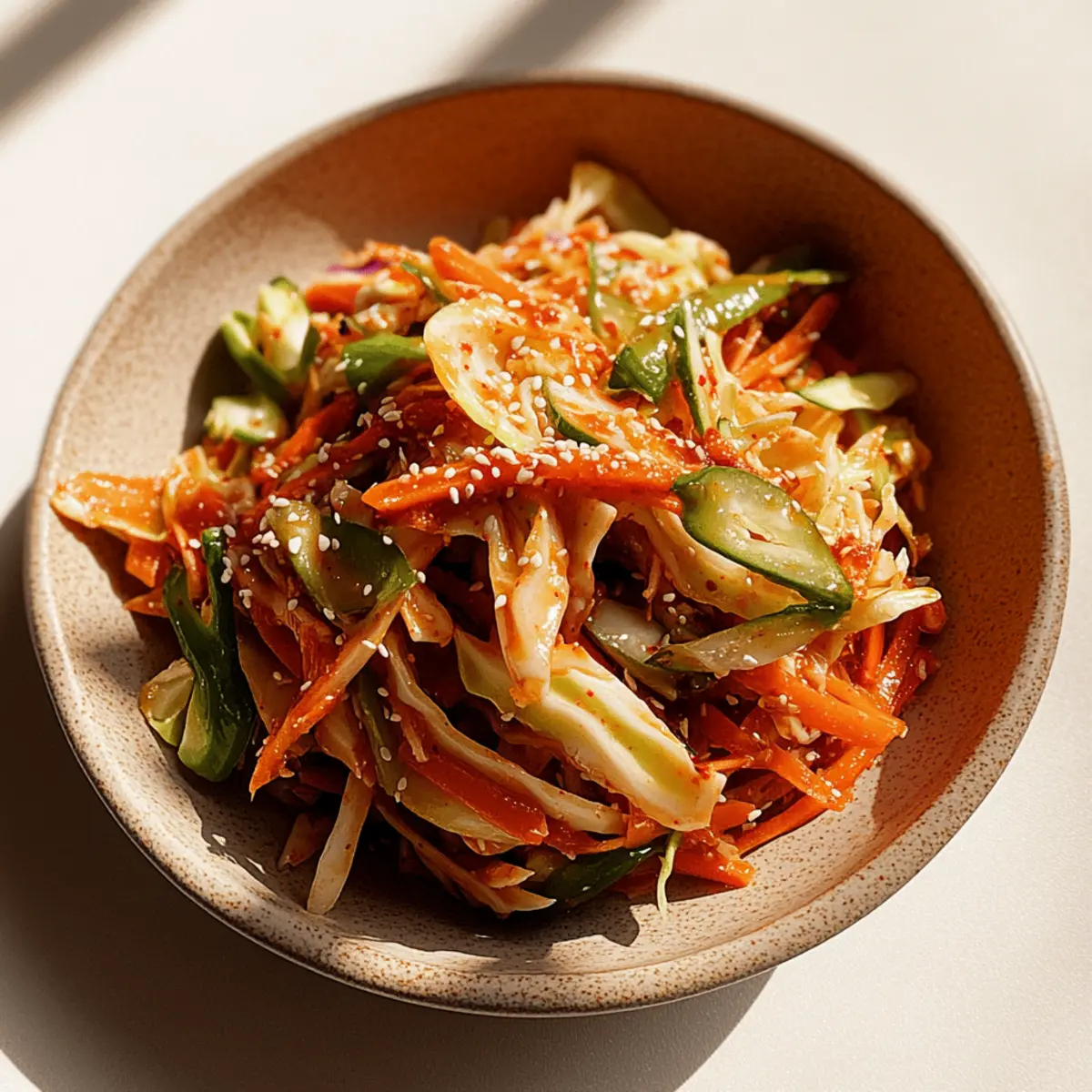
Nutrition

Serving: 1cloveCalories: 10kcalCarbohydrates: 2gSodium: 200mgPotassium: 20mgSugar: 1gVitamin C: 1mg

Notes

Enjoy up to three months of bold, tangy flavors with your homemade pickled garlic, perfect for enhancing meals.

Tried this recipe?

Let us know how it was!

Spicy Korean Cabbage Slaw That Bursts with Flavor and Crunch

Amid the whirlwind of everyday life, this Spicy Korean Cabbage Slaw becomes my go-to escape, transforming mundane meals into vibrant culinary adventures. Bursting with crisp napa cabbage and julienned carrots, this slaw is not only an explosion of color but also packs a refreshing spicy twist that dances on your taste buds. What’s even better? You’ll whip up this vegan delight in just 15 minutes, making it an ideal make-ahead dish for busy weeks ahead. It’s budget-friendly too, inviting everyone to savor bold flavors without breaking the bank. Ready to elevate your dining experience with a crunchy, tangy side that complements just about any meal? Let’s dive into the recipe!

Why is this slaw a must-try?

Quick Preparation: In just 15 minutes, you can whip up this colorful slaw, making it a perfect companion for busy lifestyles.

Vegan-Friendly: This recipe ensures everyone can enjoy its bold flavors without any animal products.

Crunchy Goodness: The combination of crispy napa cabbage and sweet carrots offers a satisfying texture that elevates any dish.

Budget-Savvy: With simple, inexpensive ingredients, this slaw is easy on the wallet without sacrificing flavor.

Make-Ahead Magic: Prepare it in advance and watch the flavors deepen, allowing you to enjoy a delectable side dish at a moment’s notice.

Add this vibrant slaw to your next BBQ spread or serve it alongside tacos for an unforgettable meal, and find inspiration in other delicious recipes like Spicy Korean Gochujang or a Korean Steak Sandwich for a complete culinary experience!

Spicy Korean Cabbage Slaw Ingredients

Here’s everything you need to create your vibrant Spicy Korean Cabbage Slaw.

For the Slaw

  • Napa Cabbage – This provides a crunchy base and absorbs all the delicious flavors of the dressing.
  • Carrots – Adds a touch of sweetness and delightful texture; be sure to julienne them for the best bite.
  • Scallions – Offers a mild onion flavor; use both green and white parts for maximum taste.

For the Dressing

  • Salt – Enhances the overall flavor of the slaw; just a pinch goes a long way since soy sauce adds saltiness too.
  • Gochugaru – These Korean red pepper flakes give a mild heat and fruity smokiness; feel free to adjust based on your spice preference.
  • Rice Vinegar – Provides acidity to balance the slaw’s flavors; apple cider vinegar can be used as a suitable substitute.
  • Soy Sauce – Introduces a delicious umami depth; opt for tamari for a gluten-free version if needed.
  • Sesame Oil – Adds that nutty, aromatic flavor quintessential to Korean cuisine.
  • Honey – Brings a hint of sweetness to the dressing; for a vegan alternative, swap in agave syrup or maple syrup.

For Garnish

  • Sesame Seeds – Sprinkle these for an extra nutty crunch on top of your slaw!

Step‑by‑Step Instructions for Spicy Korean Cabbage Slaw

Step 1: Prep Cabbage
In a large mixing bowl, toss approximately 4 cups of shredded napa cabbage with a generous pinch of salt. Make sure to coat all the cabbage evenly and let it sit for about 5 minutes. This process not only enhances the flavor but also helps draw out moisture, softening the cabbage and preparing it to absorb the zesty dressing.

Step 2: Combine Vegetables
Once the cabbage has wilted slightly, add 1 cup of julienned carrots and 4 thinly sliced scallions to the bowl. Use your hands or a salad tongs to mix carefully, ensuring the carrots and scallions are evenly distributed throughout the cabbage. The mix of colors and textures will create an enticing base for your Spicy Korean Cabbage Slaw.

Step 3: Mix Dressing
In a small bowl, whisk together 2 tablespoons of gochugaru, 2 minced garlic cloves, 3 tablespoons of rice vinegar, 2 tablespoons of soy sauce, 1 tablespoon of sesame oil, and 1 tablespoon of honey. Whisk until well combined, and watch for the vibrant color and consistency as the garlic infuses the dressing with flavor. This fiery dressing is what brings your slaw to life!

Step 4: Assemble Slaw
Pour the prepared dressing over the cabbage mixture, ensuring the vibrant flavors coat every piece. Using clean hands or tongs, toss everything together thoroughly for about 1-2 minutes. You’ll see the cabbage, carrots, and scallions become beautifully intertwined, each piece glistening with the delicious, spicy dressing of your Spicy Korean Cabbage Slaw.

Step 5: Add Finishing Touches
Sprinkle approximately 1 tablespoon of sesame seeds over the slaw and give it a final gentle toss. The seeds not only add crunch but also enhance the nutty flavor of the sesame oil in the dressing. As you mix, take a moment to admire the vibrant medley of colors that brightens your kitchen!

Step 6: Serve
You can serve your Spicy Korean Cabbage Slaw immediately for fresh, crunchy enjoyment, or store it in the fridge for 15-30 minutes to allow the flavors to deepen. If serving later, keep it chilled and ready to brighten up your meal. Its vibrant taste makes it a perfect side dish for any occasion!

Spicy Korean Cabbage Slaw Variations

Feel free to put your own spin on this delightful recipe and customize your slaw to suit your tastes!

  • Dairy-Free: Skip any dairy-based dressings! This slaw is naturally vegan, ensuring everyone can enjoy its bold flavors and crunch.

  • Extra Crunch: Toss in some thinly sliced bell peppers or radishes for a vibrant crunch and added color. Each bite gets more exciting!

  • Protein-Rich: Add shredded cooked chicken or tofu for a satisfying meal boost. This turns the slaw from a side into a hearty main!

  • Spicy Kick: Increase the gochugaru for an undeniable heat or add sliced jalapeños for an extra layer of flavor. Dive into the heat and feel the zest!

  • Sweet Twist: For a hint of sweetness, mix in thinly sliced apples or pears. Their juiciness complements the spicy dressing beautifully.

  • Nutty Variations: Swap sesame seeds for toasted peanuts or sunflower seeds to introduce a different texture and flavor. The nutty richness adds a delightful twist.

  • Herbaceous Delight: Add fresh cilantro or mint to the slaw for a refreshing herby kick. This brightens the entire dish and offers a unique flavor profile.

Elevate your meal experience with this vibrant slaw or explore more flavors with Spicy Thai Basil or try it alongside a savory Korean Steak Sandwich. Happy cooking!

What to Serve with Spicy Korean Cabbage Slaw?

Amidst the spicy, crunchy goodness of this slaw, you’ll want delightful pairings that create a harmonious meal experience.

  • Grilled Chicken: Juicy grilled chicken complements the crunch of the slaw with its smoky flavors, making for a refreshing and satisfying dish.
  • Savory Tacos: These tacos provide a delicious contrast, with the creamy fillings balancing out the spicy zest of your slaw.
  • Brown Rice Bowl: The nutty taste of brown rice adds heartiness to your meal, soaking up every vibrant flavor from the slaw.
  • Tofu Stir-Fry: Crispy, stir-fried tofu pairs beautifully, adding protein to enrich your meal while maintaining a lovely texture contrast.
  • Crispy Fish Tacos: The crispy breading on the fish mirrors the crunchy slaw, providing a delightful texture interplay and vibrant taste.
  • Kimchi Fried Rice: A side of this spicy rice dish pairs perfectly with the slaw, elevating the meal with even more flavors inspired by Korean cuisine.

Serve any of these options alongside your Spicy Korean Cabbage Slaw to craft an unforgettable culinary journey!

Make Ahead Options

These Spicy Korean Cabbage Slaw are perfect for busy home cooks looking to streamline their meal prep! You can prepare the slaw up to 3 days in advance by washing and shredding the napa cabbage, julienning the carrots, and slicing the scallions, then storing each ingredient separately in airtight containers in the refrigerator. However, to maintain optimal freshness, mix the dressing (gochugaru, garlic, rice vinegar, soy sauce, sesame oil, and honey) and keep it separate until just before serving. When ready to enjoy your slaw, simply combine the ingredients and toss in the dressing for a bright, flavorful side that’s just as delicious as when freshly made!

Expert Tips for Spicy Korean Cabbage Slaw

  • Slice with Precision: Use a sharp knife or mandoline for thin, even shreds of cabbage, ensuring a delightful texture in your Spicy Korean Cabbage Slaw.

  • Keep Dressing Separate: For maximum flavor, store the dressing separately until just before serving. This keeps the cabbage crisp and prevents it from wilting too soon.

  • Adjust Spice Level: Tailor the heat to your preference by varying the amount of gochugaru you use. Start small and taste before adding more for the perfect kick.

  • Freshness Matters: Opt for fresh, vibrant ingredients. Wilted or old vegetables can diminish the flavor and texture of your slaw.

  • Chill for Flavor: If making ahead, allow the slaw to chill in the fridge for at least 15-30 minutes. This resting time enhances the flavors and makes each bite even more satisfying.

How to Store and Freeze Spicy Korean Cabbage Slaw

Fridge: Store your Spicy Korean Cabbage Slaw in an airtight container for up to 3 days. The flavors will continue to deepen, making it even more delicious as it sits.

Freezer: Freezing is not recommended for this slaw, as the texture of cabbage can become mushy upon thawing. Instead, enjoy it fresh!

Serving: If you’ve made the slaw in advance, allow it to sit in the fridge for 15-30 minutes before serving for optimal flavor and crunch.

Spicy Korean Cabbage Slaw Recipe FAQs

What type of cabbage should I use?
Absolutely! Napa cabbage is the star of this dish, providing a delightful crunch and flavor that absorbs the dressing beautifully. If napa cabbage isn’t available, you can use green cabbage or savoy cabbage as a suitable alternative, though they may vary slightly in texture.

How should I store my Spicy Korean Cabbage Slaw?
For optimal freshness, store the slaw in an airtight container in the fridge for up to 3 days. The flavors will continue to evolve, enhancing the taste each day! If you notice the cabbage starting to wilt, simply give it a good toss before serving.

Can I freeze Spicy Korean Cabbage Slaw?
Freezing is not recommended for this slaw. The crisp texture of the cabbage may become mushy after thawing. Instead, enjoy your slaw fresh. If you prepare it ahead of time, simply store it in the fridge to allow the flavors to meld together beautifully.

What can I do if my dressing is too spicy?
Very good question! If your dressing turns out spicier than you’d like, you can balance it by adding a bit more honey to sweeten the mix. Another option is to add a dash of more rice vinegar or a splash of water to dilute the heat. Taste as you go to find that perfect balance!

Are there any allergies I should be aware of?
Yes, while this recipe is primarily vegan-friendly, be cautious of allergies to soy products if using regular soy sauce. To make it gluten-free, swap soy sauce with tamari. Additionally, if you are sensitive to sesame seeds, feel free to omit them from the garnish.

How can I make the slaw ahead of time without losing freshness?
For best flavor and texture, prepare the slaw in advance but keep the dressing separate. Toss the cabbage and vegetables together in the fridge, and add the dressing just before serving. This way, the cabbage remains crunchy and vibrant, ready to brighten up your meal!

Spicy Korean Cabbage Slaw

Spicy Korean Cabbage Slaw That Bursts with Flavor and Crunch

This Spicy Korean Cabbage Slaw is a vibrant, budget-friendly, vegan side dish that transforms meals with its flavors.
Prep Time 15 minutes
Chill Time 30 minutes
Total Time 15 minutes
Servings: 4 servings
Course: Salad
Cuisine: Korean
Calories: 120

Ingredients
  

For the Slaw
  • 4 cups shredded napa cabbage provides a crunchy base
  • 1 cup julienned carrots adds sweetness
  • 4 scallions thinly sliced, use green and white parts
For the Dressing
  • 2 tablespoons gochugaru Korean red pepper flakes
  • 2 cloves garlic minced
  • 3 tablespoons rice vinegar can substitute with apple cider vinegar
  • 2 tablespoons soy sauce or tamari for gluten-free
  • 1 tablespoon sesame oil adds nutty flavor
  • 1 tablespoon honey or agave syrup for vegan option
For Garnish
  • 1 tablespoon sesame seeds for an extra nutty crunch

Equipment

  • Mixing Bowl
  • small bowl
  • Whisk
  • salad tongs

Method
 

Preparation Steps
  1. In a large mixing bowl, toss shredded napa cabbage with a generous pinch of salt and let it sit for about 5 minutes.
  2. Add julienned carrots and sliced scallions to the bowl, mixing carefully to combine.
  3. In a small bowl, whisk together gochugaru, minced garlic, rice vinegar, soy sauce, sesame oil, and honey until well combined.
  4. Pour the dressing over the cabbage mixture, and toss thoroughly for about 1-2 minutes.
  5. Sprinkle sesame seeds over the slaw and toss gently for a final mix.
  6. Serve immediately or chill in the fridge for 15-30 minutes before serving for improved flavor.

Nutrition

Serving: 1cupCalories: 120kcalCarbohydrates: 15gProtein: 3gFat: 6gSaturated Fat: 1gPolyunsaturated Fat: 1gMonounsaturated Fat: 4gSodium: 300mgPotassium: 400mgFiber: 3gSugar: 4gVitamin A: 180IUVitamin C: 60mgCalcium: 5mgIron: 6mg

Notes

For best results, store dressing separately until ready to serve to maintain the slaw's crispness.

Tried this recipe?

Let us know how it was!

Luscious Pandan Coconut Panna Cotta: A Tropical Delight

As I stirred the warm coconut milk, a wave of tropical bliss enveloped me, hinting at the deliciousness to come. This Quick and Creamy Pandan Coconut Panna Cotta is my go-to dessert when I crave something truly special without spending hours in the kitchen. In just 15 minutes of prep time, you can whip up this gluten-free delight, transforming simple ingredients into a silky pudding that dazzles the palate! Featuring the aromatic essence of pandan paired with the rich, satisfying flavor of coconut, it’s a treat that feels indulgent yet is surprisingly easy to prepare. Whether you’re hosting a dinner party or just treating yourself to something sweet, this panna cotta is sure to be a crowd-pleaser. Ready to dive into a slice of tropical paradise?

Why Is This Dessert So Irresistible?

Simplicity at Its Core: With just 15 minutes of prep time, creating this delightful panna cotta is a breeze.

Unique Tropical Twist: The fragrant flavor of pandan combined with the creamy richness of coconut milk offers a taste of paradise.

Versatile and Customizable: Feel free to add layers of fruit puree or sprinkle with fresh seasonal fruit to make each serving uniquely yours.

Perfect for Any Occasion: Whether it’s a fancy dinner party or a casual dessert for yourself, this dish will impress anyone who takes a bite!

Quick Chilling Time: It sets beautifully in the fridge, making it a convenient make-ahead treat, just like my delectable Mango Coconut Pudding or refreshing Pineapple Coconut Mojito.

Treat yourself to this tropical delight and watch your guests swoon!

Pandan Coconut Panna Cotta Ingredients

For the Panna Cotta

  • Coconut Milk – provides a rich and creamy base for your dessert; full-fat coconut milk yields the best texture.
  • Heavy Cream – adds creaminess and contributes to the silky texture; substitute with almond milk for a lighter option.
  • Sugar – sweetens the panna cotta; adjust the amount to taste for a lighter dessert.
  • Gelatin Powder – acts as a thickening agent to set the panna cotta; ensure it’s unflavored and substitute with agar-agar if needed.
  • Cold Water – used to bloom the gelatin; crucial for proper gelatin activation.
  • Pandan Extract – imparts a unique flavor and vibrant green color; can be swapped with vanilla extract for a different twist.
  • Vanilla Extract – enhances the overall flavor; it’s optional but recommended for depth.
  • Pinch of Salt – balances sweetness and elevates flavor.

For Garnishing

  • Fresh Fruits – adds freshness and color; seasonal berries or mango work beautifully.
  • Toasted Coconut Flakes – introduces a crunchy texture contrast and visual appeal; optional but delightful.

Indulge in this Pandan Coconut Panna Cotta and experience a tropical delight that’s as gorgeous as it is delicious!

Step‑by‑Step Instructions for Pandan Coconut Panna Cotta

Step 1: Prepare Gelatin
Start by sprinkling gelatin powder over cold water in a small bowl and allow it to bloom for about 5 minutes. This step is essential for activating the gelatin, which will ensure your Pandan Coconut Panna Cotta sets perfectly without any lumps. You’ll know it’s ready when the mixture thickens and becomes somewhat gel-like.

Step 2: Heat Coconut Mixture
In a medium saucepan, combine the coconut milk, heavy cream, sugar, and a pinch of salt. Place the saucepan over medium heat, stirring gently until the sugar completely dissolves and the mixture is warm but not boiling, about 4-5 minutes. Look for steam rising from the mixture, signaling that it’s ready for the next step.

Step 3: Add Flavors
Once the coconut mixture is heated, remove it from the heat and stir in the pandan extract and vanilla extract. This should be done carefully to preserve the fragrant flavors, as the warmth will help them blend into the creamy base. The vibrant green hue of the pandan will create a beautiful contrast, enhancing your Pandan Coconut Panna Cotta.

Step 4: Incorporate Gelatin
Add the bloomed gelatin to the warm coconut mixture, stirring continuously until the gelatin is fully dissolved. This should take about 1-2 minutes. Ensure there are no granules left; the mixture should be smooth and glossy, providing the perfect foundation for your silky dessert.

Step 5: Pour into Molds
Carefully pour the warm panna cotta mixture into individual serving cups or molds, filling them about three-quarters full. Use a ladle or measuring cup for easy pouring, making sure to leave some space for any garnishes later. The mixture should be smooth and free from bubbles as it settles.

Step 6: Chill
Cover the filled cups with plastic wrap and place them in the refrigerator. Allow the panna cotta to chill and set for at least 4 hours, or until firm to the touch. You’ll know it’s ready when you can gently shake the cups, and the panna cotta maintains its shape without any movement.

Step 7: Unmold (if using molds)
If you’ve used molds, run a thin knife around the edges to help release the panna cotta. Invert it onto a plate to show off its beautiful shape. If using cups, simply serve them as they are. The glossy surface should shine, signaling a perfectly made Pandan Coconut Panna Cotta.

Step 8: Garnish
Before serving, add fresh fruits or toasted coconut flakes on top for an inviting presentation. A sprinkle of berries or diced mango will not only enhance the visual appeal but also bring extra flavors to your creamy panna cotta. Enjoy the delightful tropical touch of this dessert!

Pandan Coconut Panna Cotta Variations

Customize your delightful panna cotta with these fun and tasty twists!

  • Dairy-Free: Substitute heavy cream with coconut cream or almond milk for a lighter dairy-free option that still tastes luscious.

  • Fruit-Infused: Layer in a vibrant fruit puree like mango or passion fruit to add a splash of color and flavor contrast between panna cotta layers.

  • Matcha Magic: Use matcha powder instead of pandan extract for a silky green tea version, imparting a beautiful hue and unique earthy flavor.

  • Nutty Touch: Add a sprinkle of crushed nuts like pistachios or macadamia on top for a delightful crunch and additional flavor.

  • Spicy Kick: Incorporate a small pinch of chili powder into the mixture for a surprising and delightful heat that complements the sweet coconut.

  • Tropical Fusion: Consider throwing in a couple of tablespoons of fresh lime juice for a zesty, refreshing contrast to the creamy coconut.

  • Chilled Delight: Instead of pouring the mixture into molds, freeze it in ice cube trays for a fun, frozen treat perfect for hot summer days.

  • Garnish Options: Elevate your presentation with fresh herbs like mint or basil alongside the fruits, adding a lovely aroma and a pop of freshness.

Just like with my lovely Strawberry Whipped Ricotta, feel free to let your creativity shine as you indulge in this tropical delight!

Expert Tips for Pandan Coconut Panna Cotta

  • Gelatin Success: Ensure the gelatin is fully dissolved before pouring; undissolved granules will ruin the silky texture of your panna cotta.

  • Coconut Care: Avoid boiling the coconut mixture to prevent curdling; warm it gently until the sugar is dissolved—this keeps your dessert creamy.

  • Chilling Time: Allow ample chilling time—at least 4 hours—so the panna cotta sets properly; impatience might lead to a gooey result.

  • Flavor Enhancement: Don’t skip the vanilla extract! It adds depth to the tropical essence of the pandan, enhancing the overall flavor profile.

  • Creative Garnishes: Experiment with garnishes like fresh fruits or toasted coconut flakes to add color and contrasting textures to your Pandan Coconut Panna Cotta.

Make Ahead Options

These Pandan Coconut Panna Cottas are perfect for busy home cooks looking to save time! You can prepare the panna cotta mixture up to 24 hours in advance, ensuring the gelatin is fully bloomed and dissolved for the best texture. Simply follow the recipe instructions up until the chilling step, then cover the filled cups with plastic wrap and refrigerate. When you’re ready to serve, just allow them to chill for a minimum of 4 hours or until set. To maintain their exquisite quality, avoid adding any garnishes until just before serving, ensuring your panna cottas remain fresh and delightful. Enjoy the convenience of this make-ahead treat that will impress your guests!

What to Serve with Quick and Creamy Pandan Coconut Panna Cotta

The perfect meal deserves equally delightful accompaniments that elevate each bite and complete the dining experience.

  • Tropical Fruit Salad: A mix of ripe mango, pineapple, and kiwi complements the creamy panna cotta while adding freshness and color. The juicy sweetness pairs beautifully with the subtle coconut flavor.

  • Crispy Caramelized Coconut Rolls: These crunchy treats provide a textural contrast to the velvety smooth panna cotta. Their sweet, nutty flavor enhances the dessert’s tropical allure.

  • Zesty Lime Sorbet: This refreshing citrus sorbet cuts through the richness of the panna cotta, creating a harmonious balance of flavors. A scoop on the side adds a delightful cooling effect.

  • Toasted Almond Cookies: These crunchy cookies add a nutty flavor and extra texture, making for a perfect pairing with the silky panna cotta. Their slight sweetness complements the dessert seamlessly.

  • Iced Thai Tea: Serve a chilled glass of aromatic Thai iced tea alongside the panna cotta for a delightful fusion of flavors. The creamy, spiced tea mirrors the dessert’s tropical notes while quenching the thirst.

  • Mango Coconut Chia Pudding: Layering this equally tropical dessert provides a gorgeous presentation. The chia pudding’s texture contrasts nicely with the smooth panna cotta, creating an unforgettable duo.

  • Fresh Coconut Water: For a light and refreshing pairing, serve your panna cotta with a chilled glass of coconut water. Its subtle sweetness accentuates the flavors of the pudding.

  • Cardamom Spiced Rice Pudding: A warm bowl of spiced rice pudding enhances the meal with comforting flavors and makes for a delightful contrast to the cold panna cotta.

  • Passion Fruit Coulis: A drizzle of this bright, tangy sauce over the panna cotta not only adds a vibrant visual appeal but also introduces a zesty punch that complements the creamy dessert.

How to Store and Freeze Pandan Coconut Panna Cotta

Fridge: Store your panna cotta in an airtight container in the refrigerator for up to 3 days. Make sure it’s covered to keep it fresh and prevent any unwanted odors.

Freezer: If you want to freeze it, pour the panna cotta into freezer-safe containers. It can be frozen for up to 1 month. Thaw it in the fridge overnight before serving for the best texture.

Reheating: While panna cotta doesn’t need reheating, if you do prefer it slightly warmed, place it in the microwave for 10-15 seconds—just be careful not to overheat!

Garnishing Tip: For optimal presentation, add your fresh fruits and toasted coconut flakes just before serving, especially if you’ve stored the panna cotta for a longer period.

Pandan Coconut Panna Cotta Recipe FAQs

What should I look for when selecting coconut milk?
Absolutely! When choosing coconut milk, opt for the full-fat variety for a rich and creamy texture. Check the label for minimum additives and ensure it’s free from preservatives. If you notice a thick consistency in the can, that’s a great sign!

How can I store leftover panna cotta?
You can store your pandan coconut panna cotta in an airtight container in the refrigerator for up to 3 days. Just ensure it’s well-covered to maintain freshness and catch any wandering odors from your fridge.

Can I freeze pandan coconut panna cotta?
Yes, you can freeze it! To do so, pour the panna cotta into freezer-safe containers and let it cool completely before sealing. It can be frozen for up to 1 month. When you’re ready to enjoy it, simply transfer it to the refrigerator to thaw overnight for the best texture.

What if my panna cotta doesn’t set properly?
If your panna cotta isn’t setting, it usually means the gelatin didn’t dissolve fully, or it wasn’t bloomed long enough. Make sure to sprinkle the gelatin over cold water and let it swell for about 5 minutes. Also, when mixing it into the warm mixture, stir continuously until it’s completely dissolved. If you used agar-agar instead, check the package for specific blooming instructions, as they can differ.

Are there any dietary considerations for this recipe?
Very! This pandan coconut panna cotta is gluten-free and can be made vegetarian by substituting gelatin with agar-agar. Always double-check ingredient labels to ensure they align with dietary preferences or allergies, particularly the coconut milk and any garnishes like fruits or nuts.

How can I enhance the tropical flavors of my panna cotta?
Certainly! You might try adding a splash of lime juice or zest to the coconut mixture for a delightful brightness. Consider complementing the pandan flavor by also incorporating some fresh mango or a drizzle of passion fruit puree right before serving—this adds a vibrant twist!

Pandan Coconut Panna Cotta

Luscious Pandan Coconut Panna Cotta: A Tropical Delight

Experience the tropical bliss of Pandan Coconut Panna Cotta, a quick and creamy dessert that's gluten-free and incredibly easy to prepare.
Prep Time 15 minutes
Cook Time 5 minutes
Chilling Time 4 hours
Total Time 4 hours 20 minutes
Servings: 4 servings
Course: Dessert
Cuisine: Tropical
Calories: 250

Ingredients
  

For the Panna Cotta
  • 1 can Coconut Milk full-fat for best texture
  • 1 cup Heavy Cream can substitute with almond milk
  • 1/2 cup Sugar adjust to taste
  • 2 teaspoons Gelatin Powder unflavored
  • 3 tablespoons Cold Water to bloom gelatin
  • 1 teaspoon Pandan Extract can substitute with vanilla extract
  • 1 teaspoon Vanilla Extract optional but recommended
  • 1 pinch Salt to balance sweetness
For Garnishing
  • 1 cup Fresh Fruits seasonal berries or mango
  • 1/4 cup Toasted Coconut Flakes optional

Equipment

  • Medium saucepan
  • small bowl
  • Ladle or measuring cup
  • Plastic Wrap

Method
 

Step-by-Step Instructions
  1. Prepare Gelatin: Sprinkle gelatin powder over cold water and let it bloom for about 5 minutes.
  2. Heat Coconut Mixture: In a saucepan, combine coconut milk, heavy cream, sugar, and salt. Heat gently until sugar dissolves.
  3. Add Flavors: Remove from heat and stir in pandan and vanilla extracts.
  4. Incorporate Gelatin: Add bloomed gelatin to the warm mixture, stirring until dissolved.
  5. Pour into Molds: Carefully pour the mixture into serving cups, filling them three-quarters full.
  6. Chill: Cover with plastic wrap and refrigerate for at least 4 hours until set.
  7. Unmold (if using molds): Run a knife around edges and invert onto a plate.
  8. Garnish: Add fresh fruits or toasted coconut flakes before serving.

Nutrition

Serving: 1servingCalories: 250kcalCarbohydrates: 24gProtein: 3gFat: 17gSaturated Fat: 15gMonounsaturated Fat: 2gCholesterol: 60mgSodium: 40mgPotassium: 150mgSugar: 15gVitamin C: 1mgCalcium: 4mgIron: 2mg

Notes

Store in an airtight container in the fridge for up to 3 days or freeze for up to 1 month. Thaw in the fridge overnight before serving.

Tried this recipe?

Let us know how it was!